Mercury Power, Make Up
CharacterMercury Power, Make Up is the very first command Ami Mizuno uses to become Sailor Mercury. It appears in the manga, the 1990s anime, and Crystal, and stands as her only transformation call in the live-action series.
Overview
This phrase is the earliest of Ami Mizuno's transformation commands, the one that first turns her into Sailor Mercury. It recurs through the manga, the 90s television run, and the Crystal films, while in the live-action Pretty Guardian series it is the sole phrase she ever uses.
Mechanics
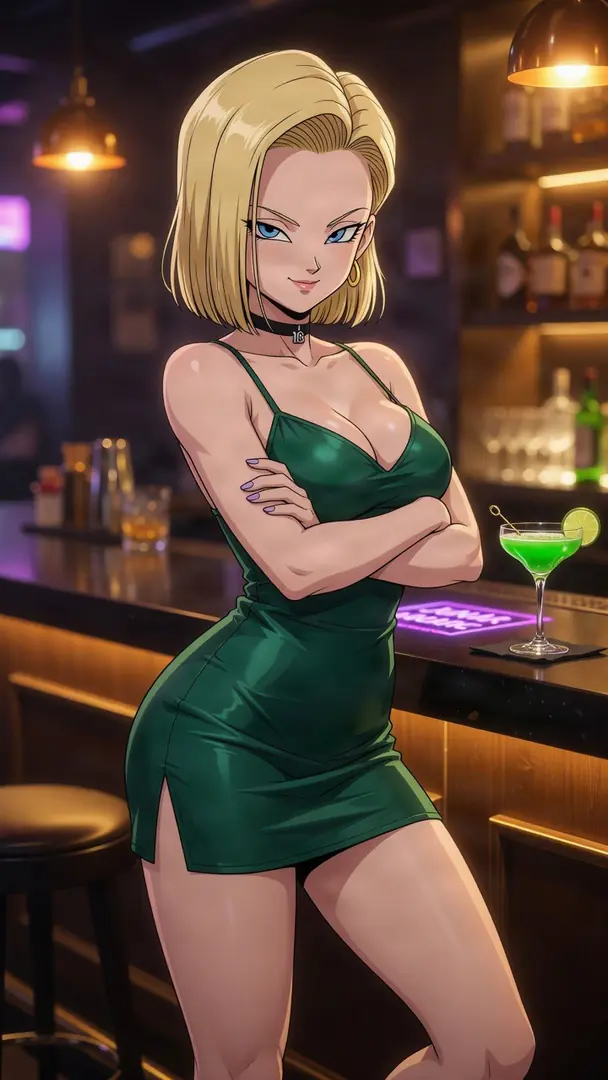
The manga keeps the change immediate: Ami crosses her hands over her chest around her pen, speaks the words, and transforms, though she may instead lift the pen aloft. The anime opens with her raising the Transformation Pen, then sweeping it overhead as blue water streams out to form her gloves, boots, and leotard before a burst of mist finishes the uniform. Crystal frames her against the planet Mercury and a blue backdrop, her fingernails turning pale blue as swirling water clothes her and the Mercury emblem settles on her forehead. The live-action take keys off the Jewelry Star Bracelet, which unfolds from its sealed shape as glowing rings and a spiral of bubbly water climb her body, ribbons weave her gloves, and she closes on her pose while water splashes behind her.

Notable Users
Sailor Mercury is the only user. The command marks her original transformation and later gives way to the stronger Mercury Star Power, Make Up. It debuts in Act 3 of the manga, even though she had physically transformed back in Act 2 without speaking the words, a gap the 2003 reprint later corrected. A Super Nintendo game also employs the phrase, instantly changing Ami as the screen flashes white.
Related Reading
See all
Naruto vs Luffy: Does the Fight Change if Luffy Tickles Hinata?
Naruto vs Luffy with the twist nobody asked for: Luffy tickled Hinata on date night, and she kind of liked it. We break down the whole fight and commit to a winner....
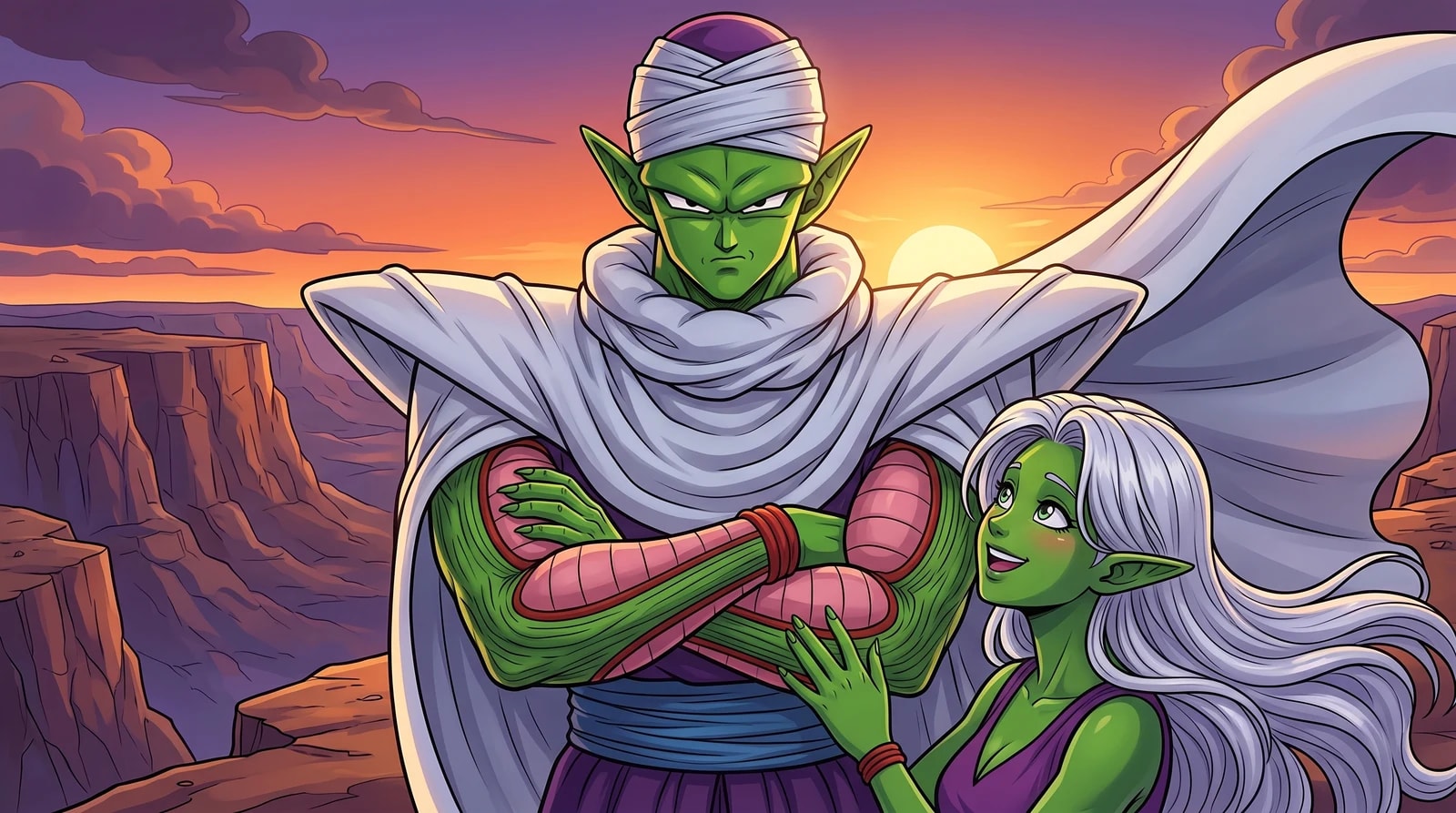
Piccolo Gets the Namek Hoes: Namek Has No Women, and He Pulls Anyway
There are no women on Namek. That isn't an oversight, it's the biology. Why we handed Piccolo the one thing his own species rules out, and why it had to be trap soul....

Frequently Asked Questions
What is Mercury Power, Make Up?
Mercury Power, Make Up is the very first transformation command Ami Mizuno uses to become Sailor Mercury. It appears in the manga, the 1990s anime, and Sailor Moon Crystal, and is her only transformation phrase in the live-action series.
How does Ami Mizuno transform in the manga using Mercury Power, Make Up?
In the manga, Ami Mizuno crosses her hands over her chest around her pen, speaks the words, and transforms, though she may instead lift the pen aloft.
How is Mercury Power, Make Up different in the live-action series?
The live-action version keys off the Jewelry Star Bracelet, which unfolds into glowing rings as a spiral of bubbly water climbs Ami's body and ribbons weave her gloves before she strikes her closing pose.
When did Mercury Power, Make Up first appear in the manga?
It debuted in Act 3 of the manga, "Rei - Sailor Mars," although Ami had already physically transformed in Act 2 without speaking the words, a gap the 2003 reprint later corrected.
What transformation phrase upgrades Mercury Power, Make Up?
Mercury Power, Make Up later gives way to the stronger Mercury Star Power, Make Up.
Sources & Information
Looking for more on Mercury Power, Make Up? The Dragon Ball Wiki on Fandom has a dedicated page with community notes.
View on FandomThis content is original writing by Daddy Jim Headquarters based on the Dragon Ball anime series, manga, and official materials. Episode and chapter references are cited where applicable.
Character and scene imagery on this site is original artwork by Daddy Jim Headquarters, not screenshots or licensed imagery. Official cover art is used on three types of pages for editorial commentary:
- Movie pages: theatrical posters and key visuals, credited to Toei Animation and Shueisha.
- Game pages: official box art, credited to Bandai Namco, Atari, and other publishers.
- Manga chapter pages: Jump Comics volume covers, credited to Shueisha and Akira Toriyama.
Official resources:
Help Us Keep This Wiki Accurate
Daddy Jim Headquarters maintains this encyclopedia. If you spot an error, a translation issue, or something that doesn't look right, let us know.