Moon Healing Escalation
CharacterA restorative technique Sailor Moon uses to free people twisted by the Dark Kingdom's influence, powered mainly by the Moon Stick. It is one of the rare moves to appear in every version of the story, from the manga to the live-action series.
Overview
This healing move gives Sailor Moon a way to undo the damage the Dark Kingdom inflicts on its victims. It reaches across the whole franchise, showing up in the printed volumes, the 1990s series, Crystal, the live-action run, and many stage musicals and games. Depending on the medium it draws on different implements: the Moon Stick in most versions, the Moonlight Stick for live-action, and the Spiral Heart Moon Rod or Eternal Tiare on stage.
The source counts it among a short list of techniques that turn up in every incarnation of Sailor Moon, alongside Shine Aqua Illusion, Burning Mandala, Supreme Thunder, and Venus Love-Me Chain.
Mechanics
In the manga, Sailor Moon wields the Moon Stick to mend the people of Tokyo after the Dark Kingdom's attacks, including those Zoisite had brainwashed into hunting the Silver Crystal, and once Queen Metalia falls she extends the healing across all of Earth, even reviving her lost friends.
The animated sequence has her raise the Moon Stick, which streams glitter and mist as she sweeps it in a broad circle around herself. The Youma cries out and reverts to its human host while its monstrous half is destroyed. After the Silver Crystal is fixed to the Stick, the circle instead pours out rays and orbs of white energy, and the accompanying music changes depending on whether the crystal is present. The live-action take builds on a glowing Moonlight Stick, with Sailor Moon sweeping it overhead, raising one leg behind her head, pirouetting, and trailing golden sparkles. In games such as Another Story it serves as one of her three techniques, restoring half an ally's maximum health at a set energy cost.


Notable Users
Sailor Moon is the main user, but Queen Serenity also invokes it, cleansing the Dark Kingdom in a late first-season episode after Princess Serenity and Prince Endymion are slain. The move shows unusual range in the season finale, where against Super Beryl it raises a rainbow-hued dome that shields Usagi in her Princess Serenity form; combined with Moon Prism Power, it finally destroys the foe. English dubs split the technique into separate names, using Moon Healing Activation for restorative casts and Cosmic Moon Power when it was turned to offense.
Related Reading
See all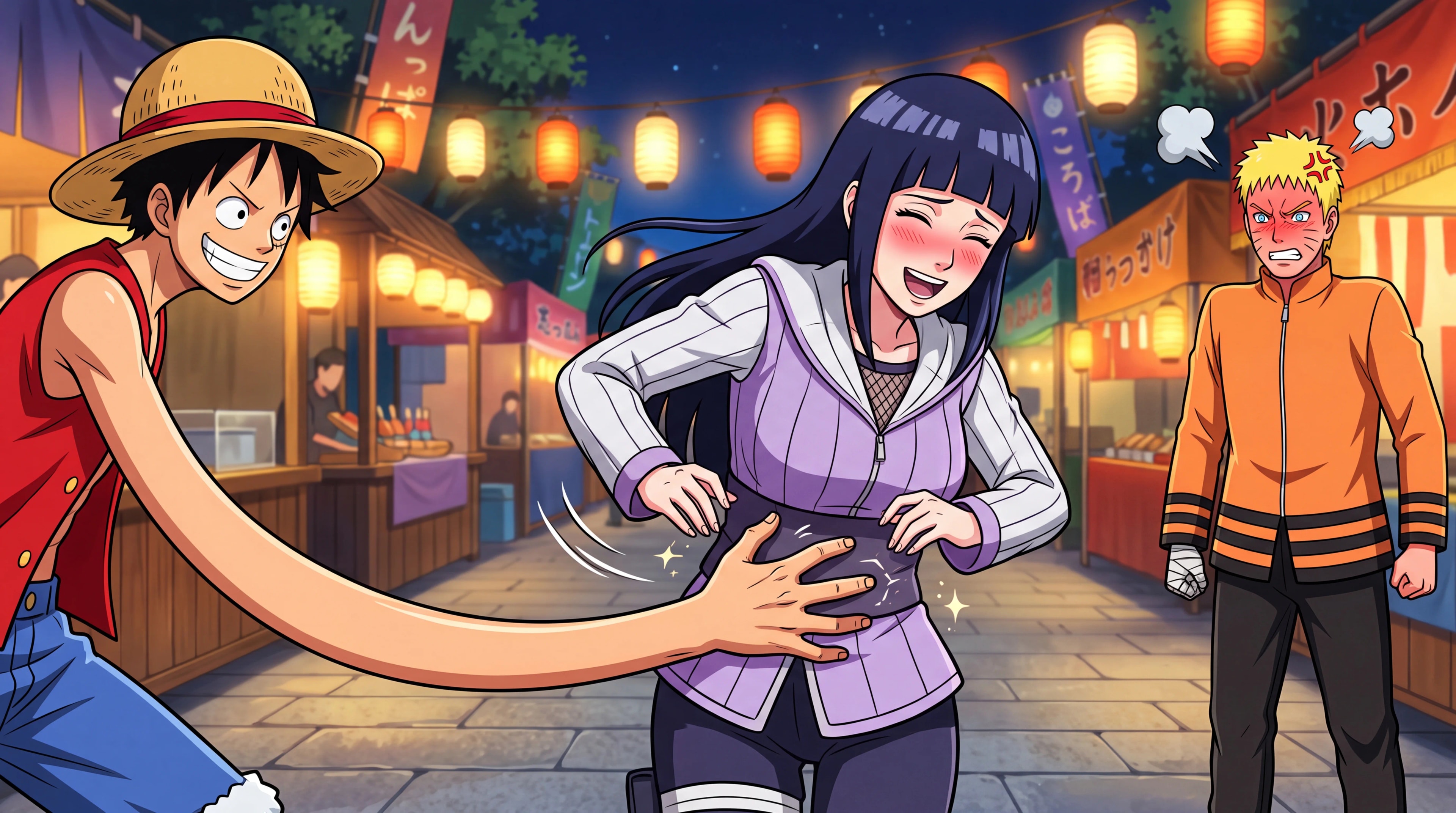
Naruto vs Luffy: Does the Fight Change if Luffy Tickles Hinata?
Naruto vs Luffy with the twist nobody asked for: Luffy tickled Hinata on date night, and she kind of liked it. We break down the whole fight and commit to a winner....
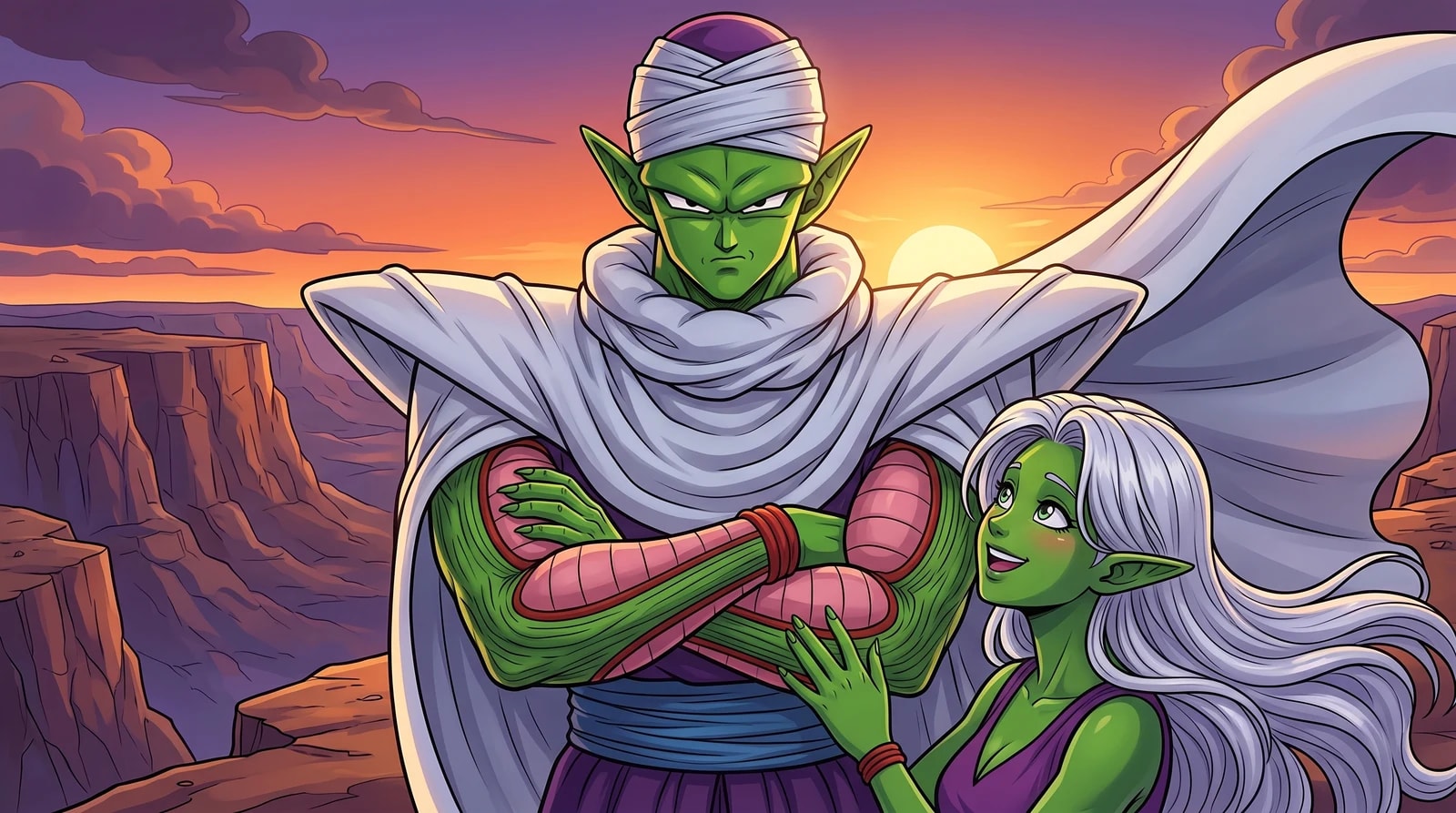
Piccolo Gets the Namek Hoes: Namek Has No Women, and He Pulls Anyway
There are no women on Namek. That isn't an oversight, it's the biology. Why we handed Piccolo the one thing his own species rules out, and why it had to be trap soul....
Frequently Asked Questions
What is moon healing escalation?
Moon Healing Escalation is a restorative technique Sailor Moon uses to free people twisted by the Dark Kingdom's influence, powered mainly by the Moon Stick. It is one of the rare moves that appears in every version of the story, from the manga to the live-action series.
What item powers Moon Healing Escalation?
Moon Healing Escalation draws on different implements depending on the adaptation: the Moon Stick in most versions, the Moonlight Stick in live-action, and the Spiral Heart Moon Rod or Eternal Tiare on stage.
Who else besides Sailor Moon uses Moon Healing Escalation?
Queen Serenity also invokes Moon Healing Escalation, cleansing the Dark Kingdom in a late first-season episode after Princess Serenity and Prince Endymion are slain.
How did the English dub split Moon Healing Escalation into different names?
English dubs split Moon Healing Escalation into separate names, using Moon Healing Activation for restorative casts and Cosmic Moon Power when the technique was turned to offense.
What happens during the Moon Healing Escalation animation sequence?
Sailor Moon raises the Moon Stick, which streams glitter and mist as she sweeps it in a broad circle around herself. The affected Youma cries out and reverts to its human host while its monstrous half is destroyed.
Sources & Information
Looking for more on Moon Healing Escalation? The Dragon Ball Wiki on Fandom has a dedicated page with community notes.
View on FandomThis content is original writing by Daddy Jim Headquarters based on the Dragon Ball anime series, manga, and official materials. Episode and chapter references are cited where applicable.
Character and scene imagery on this site is original artwork by Daddy Jim Headquarters, not screenshots or licensed imagery. Official cover art is used on three types of pages for editorial commentary:
- Movie pages: theatrical posters and key visuals, credited to Toei Animation and Shueisha.
- Game pages: official box art, credited to Bandai Namco, Atari, and other publishers.
- Manga chapter pages: Jump Comics volume covers, credited to Shueisha and Akira Toriyama.
Official resources:
Help Us Keep This Wiki Accurate
Daddy Jim Headquarters maintains this encyclopedia. If you spot an error, a translation issue, or something that doesn't look right, let us know.