Moon Princess Halation
CharacterA moonlight strike Sailor Moon channels through the Cutie Moon Rod, present in the manga, Crystal, the 1990s series, stage shows, and games. Sailor Chibi Moon can join her for a stronger paired version, and it later gives way to Moon Spiral Heart Attack.
Overview
Powered by the Cutie Moon Rod, this attack lets Sailor Moon loose a beam of moonlight energy, and it recurs throughout the printed volumes, Crystal, the original animated series, the stage musicals, and several games. On occasion Sailor Chibi Moon steps in beside her so the two can perform a reinforced duo cast.
The name draws on the word halation, a term describing light that spreads outward to ring an object like a halo. Early photographers coined it to describe light blurring and bleeding into the shadowed parts of an image, and in the story the technique belongs to the Moon Princesses while they hold their Sailor forms.
Mechanics
In the manga and Crystal, Sailor Moon first calls on it in the fifteenth act to finish Koan after Moon Tiara Boomerang came up short, then leans on it repeatedly through the Black Moon arc. A later chapter has Neo-Queen Serenity hand Sailor Chibi Moon a rod so the pair can unleash a stronger combined version against Death Phantom, an effort that destroys him but shatters both of their Moon Rods.
The animated series introduces it in the second season, after the spirit of Queen Serenity grants Sailor Moon the Crystal Star and Cutie Moon Rod, used first against the Cardian Reci. The Rod throws off a stream of crescent-shaped bolts of light. Cardians struck by it break apart and leave only a blanked card behind, while Droids lose their outer coloring, turn pale blue, and crumble to dust, leaving a colorless gem. Its power varied by target: it merely slammed Rubeus into a wall rather than killing him, yet it destroyed Esmeraude in her dragon form after Tuxedo Mask stunned her. By the third season it proved useless against the Daimon Mikuji and was swapped out for the far stronger Moon Spiral Heart Attack. Usagi also turned it to a gentler use, purifying the Makai Tree.


Notable Users
Sailor Moon is the core user, with Sailor Chibi Moon joining for the paired form. The stage shows extend its reach, letting Sailor Moon slay Queen Beryl in the first musical and, in a later production, letting her and Chibiusa combine it with the Outer Guardians' talismans to cleanse the Inner Guardians of a vampiric curse. Its English localization went through several names, beginning as Moon Scepter Elimination before the dub began substituting Activation for Elimination partway through the Rubeus fight.
Related Reading
See all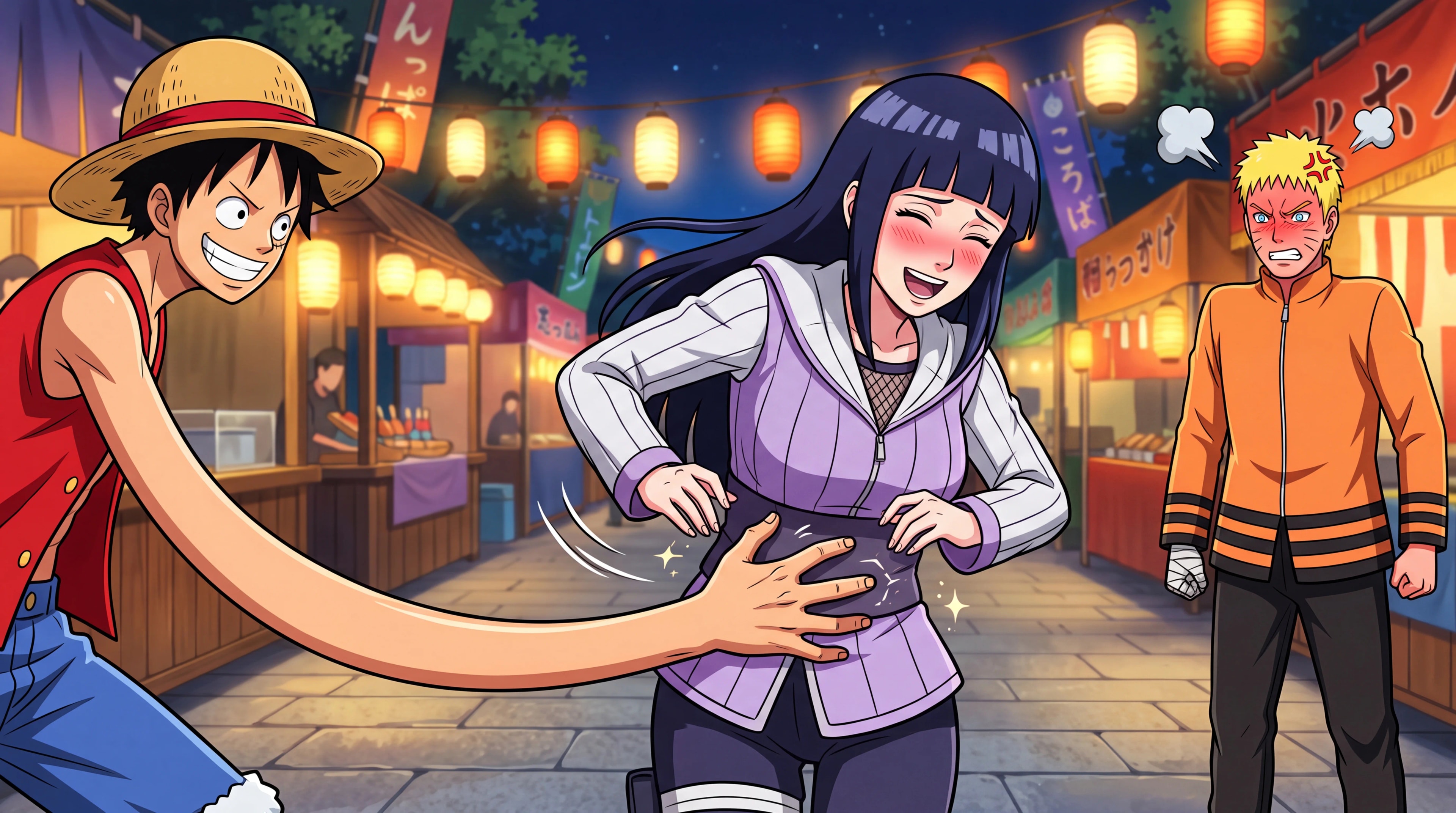
Naruto vs Luffy: Does the Fight Change if Luffy Tickles Hinata?
Naruto vs Luffy with the twist nobody asked for: Luffy tickled Hinata on date night, and she kind of liked it. We break down the whole fight and commit to a winner....
Piccolo Gets the Namek Hoes: Namek Has No Women, and He Pulls Anyway
There are no women on Namek. That isn't an oversight, it's the biology. Why we handed Piccolo the one thing his own species rules out, and why it had to be trap soul....

Frequently Asked Questions
What does Moon Princess Halation do?
Moon Princess Halation lets Sailor Moon loose a beam of moonlight energy through the Cutie Moon Rod. Cardians struck by it break apart into blank cards, while Droids lose their color, turn pale blue, and crumble to dust.
Who can use Moon Princess Halation together with Sailor Moon?
Sailor Chibi Moon can join Sailor Moon for a stronger paired version of Moon Princess Halation. In one manga chapter, Neo-Queen Serenity hands Sailor Chibi Moon a rod so the two can unleash a combined blast against Death Phantom.
What does Moon Princess Halation eventually upgrade into?
Moon Princess Halation later gives way to Moon Spiral Heart Attack, after the technique proved useless against the Daimon Mikuji in the third anime season.
Where does the name Moon Princess Halation come from?
The name draws on the word halation, a term describing light that spreads outward to ring an object like a halo, a phrase early photographers coined to describe light bleeding into the shadowed parts of an image.
How did the English dub translate Moon Princess Halation?
The English localization went through several names for Moon Princess Halation, beginning as Moon Scepter Elimination before the dub began substituting Activation for Elimination partway through the fight with Rubeus.
Sources & Information
Looking for more on Moon Princess Halation? The Dragon Ball Wiki on Fandom has a dedicated page with community notes.
View on FandomThis content is original writing by Daddy Jim Headquarters based on the Dragon Ball anime series, manga, and official materials. Episode and chapter references are cited where applicable.
Character and scene imagery on this site is original artwork by Daddy Jim Headquarters, not screenshots or licensed imagery. Official cover art is used on three types of pages for editorial commentary:
- Movie pages: theatrical posters and key visuals, credited to Toei Animation and Shueisha.
- Game pages: official box art, credited to Bandai Namco, Atari, and other publishers.
- Manga chapter pages: Jump Comics volume covers, credited to Shueisha and Akira Toriyama.
Official resources:
Help Us Keep This Wiki Accurate
Daddy Jim Headquarters maintains this encyclopedia. If you spot an error, a translation issue, or something that doesn't look right, let us know.