Moon Prism Power, Make Up
CharacterMoon Prism Power, Make Up is the very first incantation Usagi Tsukino speaks to become Sailor Moon. The phrase recurs across every branch of the franchise, the manga, the 90s anime, Crystal, the live-action drama, and the stage musicals, marking the debut of the series' central heroine.
Overview
This command opens Usagi's career as a guardian, serving as her introductory route into her sailor identity. Because it recurs in nearly every version of the property, it functions as one of the most recognizable lines in the whole series. It is eventually outgrown, giving way to the stronger Moon Crystal Power, Make Up as her powers deepen.
Mechanics
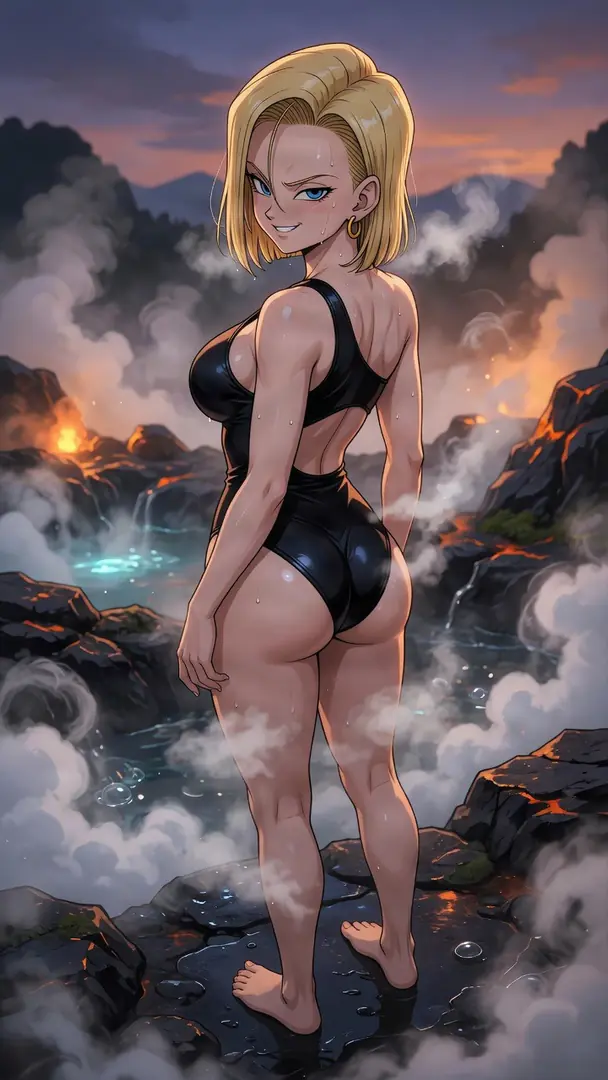
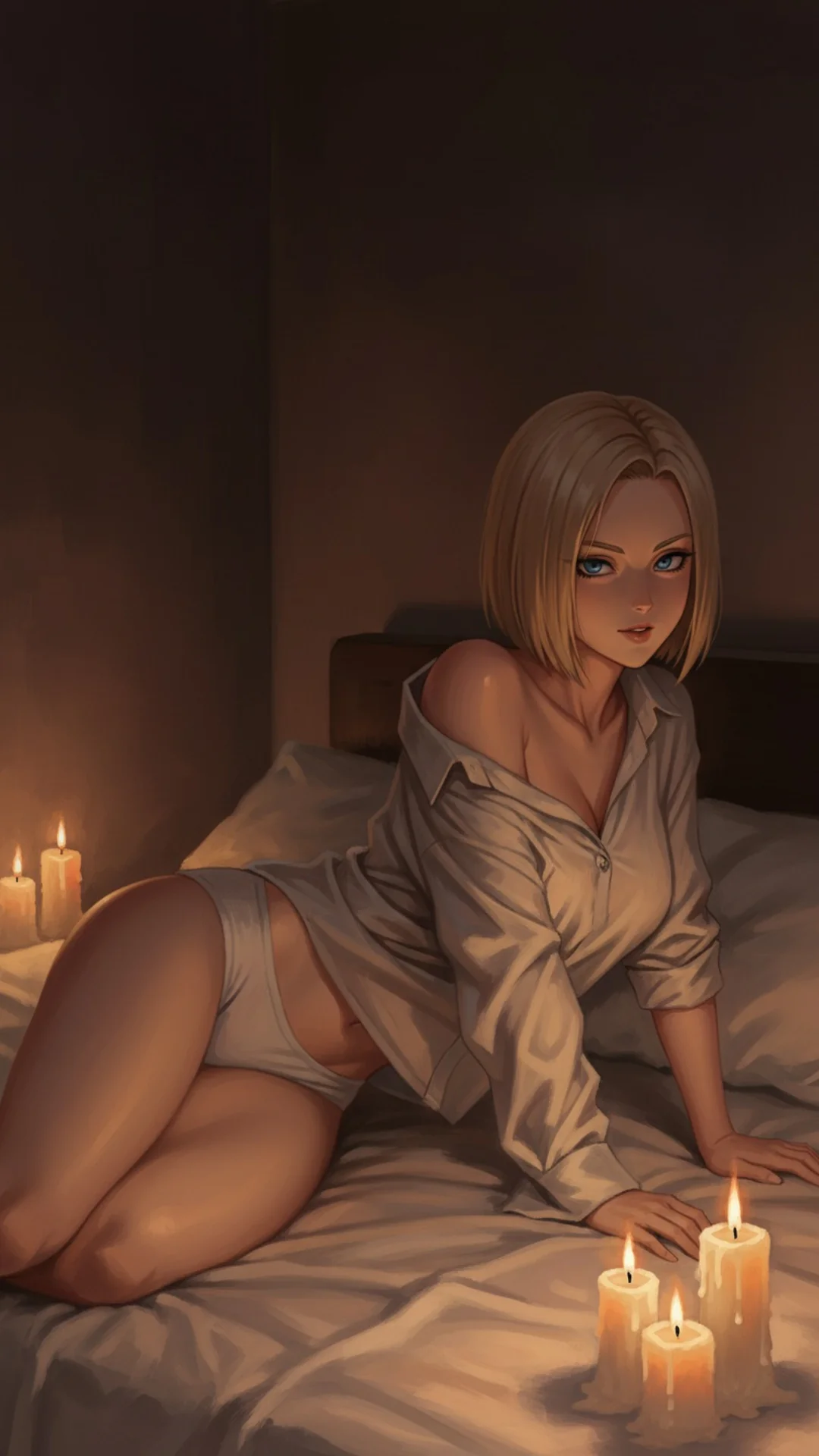
The command's effect shifts from one medium to another. On the page it is immediate: Usagi folds her arms, voices the words, and stands fully changed in the very next panel. The 90s animation stretches this into a set sequence, opening on a lifted hand and a violet outline before ribbons weave her fuku, gloves, and boots into place, then closing on her tiara, jewelry, and a signature pose.
Crystal reworks those same beats with fresh angles and reordering, panning across the moon before her brooch glints, her nails blush pink, and layers of ribbon build her leotard, bow, gloves, boots, and skirt, capped by her tiara, hair ornaments, and a spray of roses set against a crescent. The live-action series, her only transformation call there, summons the Heart Moon Brooch to shift her into guardian form.
Notable Users
The phrase is Usagi Tsukino's alone as her entry point into Sailor Moon. She leans on the Transformation Brooch throughout the manga, anime, and Crystal, while the live-action production swaps in the Heart Moon Brooch. Its accompanying anime melody doubled as the first season's eyecatch cue, a crossover no other transformation or attack music in the show shares.
Related Reading
See all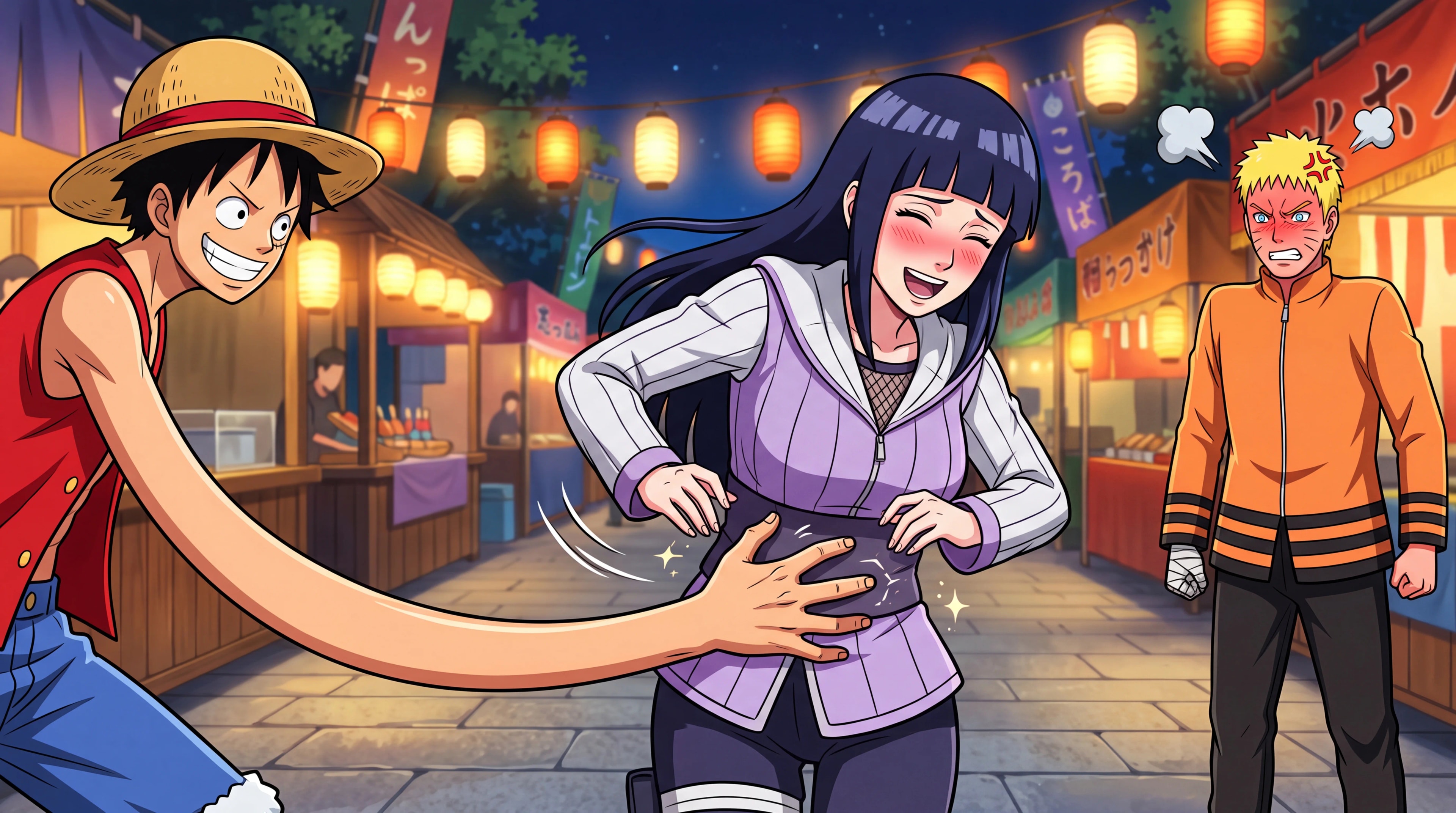
Naruto vs Luffy: Does the Fight Change if Luffy Tickles Hinata?
Naruto vs Luffy with the twist nobody asked for: Luffy tickled Hinata on date night, and she kind of liked it. We break down the whole fight and commit to a winner....
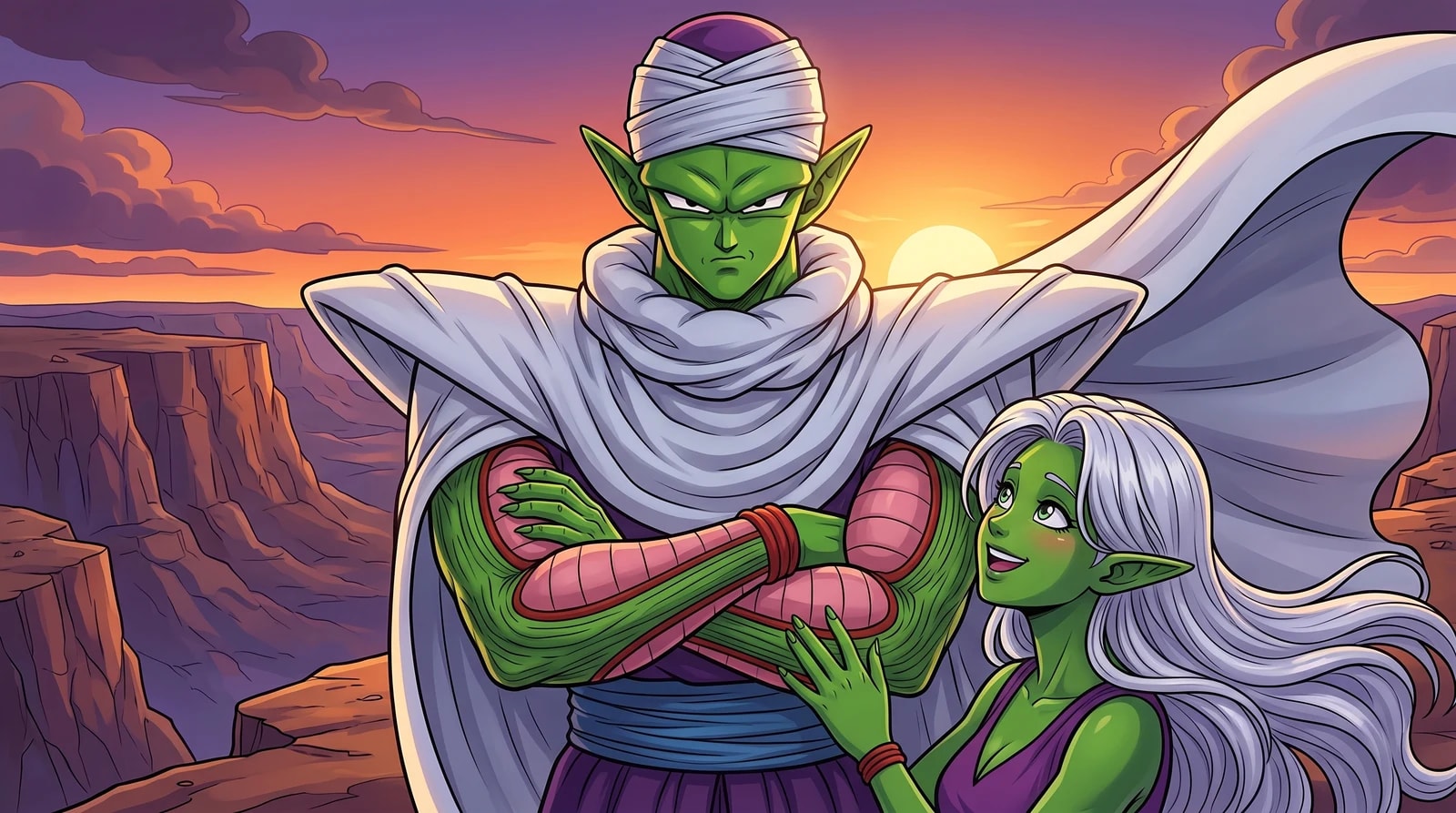
Piccolo Gets the Namek Hoes: Namek Has No Women, and He Pulls Anyway
There are no women on Namek. That isn't an oversight, it's the biology. Why we handed Piccolo the one thing his own species rules out, and why it had to be trap soul....
Frequently Asked Questions
What does moon prism power make up mean?
Moon Prism Power, Make Up is the phrase Usagi Tsukino speaks to transform into Sailor Moon for the first time. It appears throughout the franchise, including the manga, the 90s anime, Crystal, the live-action drama, and the stage musicals, marking her debut as a guardian.
What is the difference between moon prism power and moon crystal power?
Moon Prism Power, Make Up is Sailor Moon's original transformation phrase, used when she first becomes a guardian. As her powers grow stronger later in the series, she outgrows it in favor of Moon Crystal Power, Make Up.
What item does Sailor Moon use to say Moon Prism Power, Make Up?
Sailor Moon relies on the Transformation Brooch to perform Moon Prism Power, Make Up in the manga, anime, and Crystal. In the live-action series, she instead uses the Heart Moon Brooch.
Who is the only user of Moon Prism Power, Make Up?
Usagi Tsukino is the sole user of Moon Prism Power, Make Up, since it serves as her personal entry point into becoming Sailor Moon.
How does the Moon Prism Power, Make Up transformation look in the 90s anime?
In the 90s anime, Moon Prism Power, Make Up unfolds as a full sequence. Usagi raises her hand inside a violet outline while ribbons weave together her fuku, gloves, and boots, ending with her tiara, jewelry, and a signature pose.
Sources & Information
Looking for more on Moon Prism Power, Make Up? The Dragon Ball Wiki on Fandom has a dedicated page with community notes.
View on FandomThis content is original writing by Daddy Jim Headquarters based on the Dragon Ball anime series, manga, and official materials. Episode and chapter references are cited where applicable.
Character and scene imagery on this site is original artwork by Daddy Jim Headquarters, not screenshots or licensed imagery. Official cover art is used on three types of pages for editorial commentary:
- Movie pages: theatrical posters and key visuals, credited to Toei Animation and Shueisha.
- Game pages: official box art, credited to Bandai Namco, Atari, and other publishers.
- Manga chapter pages: Jump Comics volume covers, credited to Shueisha and Akira Toriyama.
Official resources:
Help Us Keep This Wiki Accurate
Daddy Jim Headquarters maintains this encyclopedia. If you spot an error, a translation issue, or something that doesn't look right, let us know.