Shine Aqua Illusion
CharacterShine Aqua Illusion is one of Sailor Mercury's defining water attacks, spanning the manga, the 1990s anime, Crystal, the live-action series, the musicals, and numerous games. It gathers droplets into a controlled torrent that she hurls to trap a foe inside a column of water.
Overview
Shine Aqua Illusion is a water technique that follows Sailor Mercury across nearly every version of the franchise, turning up in print, the original anime, Crystal, the live-action adaptation, the stage musicals, and a range of video games. The move channels loose water into a directed stream or wave that engulfs an enemy. The word illusion here likely nods to an old sense of the term, meaning a sheer veil-like cloth, a fitting image for the thin curtain of water the attack produces rather than any trick of the eye.

Mechanics
In the anime the sequence opens with a single drop striking a surface and rippling outward, after which beads of water encircle Mercury as she turns several times. Those droplets merge into one flowing stream that she casts at her target, wrapping the victim in a rising tower of liquid; on occasion the water hardens into ice, blending properties with the related Shine Snow Illusion. The Crystal staging is broader, with a towering wave twisting around her body and steered by her motion before she aims it. The manga keeps things simple, a stream of water that shreds an obstacle, while game versions such as Another Story render it as a large wave that hits one foe per turn at a cost of four energy points.


Notable Users
Sailor Mercury is the technique's only wielder, though its targets and outcomes shift by continuity. In the manga she uses it just once, in Act 15, cutting down some of Koan's Droids yet failing to pierce the fiery barrier shielding Sailor Mars, a limitation echoed in Crystal before she later turns it on Prince Demande and on Death Phantom fused with Nemesis. The anime leans on it far more, debuting against Nipas and reappearing across the R and SuperS films and specials. The live-action Mercury first casts it at Nephrite and later at Metalia Endymion, and even employs it to douse a fire. English dubs relabeled it repeatedly, from Mercury Ice Storm Blast to Mercury Gas to Super Aqua Illusion.
Related Reading
See all
Naruto vs Luffy: Does the Fight Change if Luffy Tickles Hinata?
Naruto vs Luffy with the twist nobody asked for: Luffy tickled Hinata on date night, and she kind of liked it. We break down the whole fight and commit to a winner....
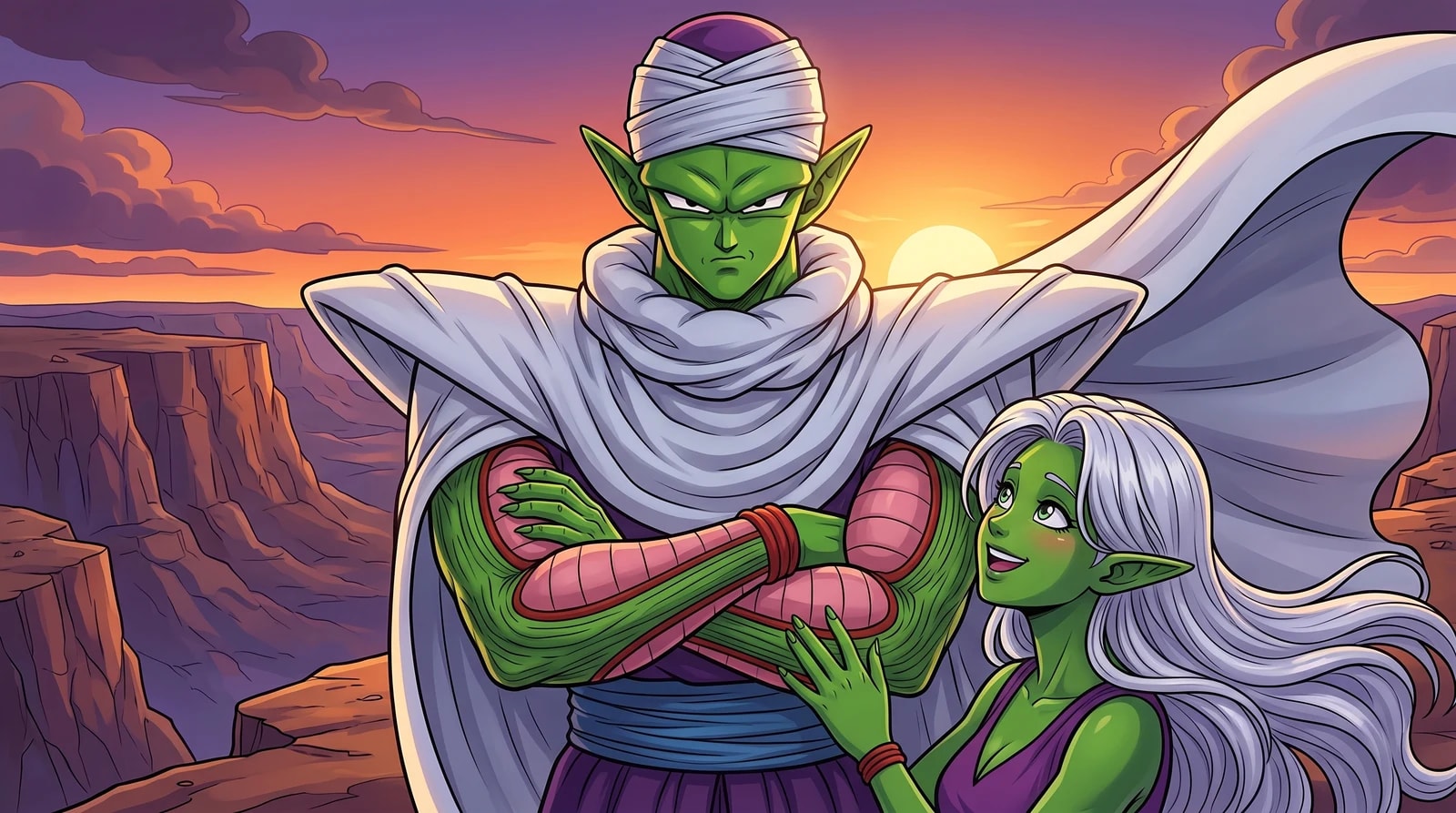
Piccolo Gets the Namek Hoes: Namek Has No Women, and He Pulls Anyway
There are no women on Namek. That isn't an oversight, it's the biology. Why we handed Piccolo the one thing his own species rules out, and why it had to be trap soul....
Frequently Asked Questions
What is Shine Aqua Illusion?
Shine Aqua Illusion is one of Sailor Mercury's signature water attacks, appearing throughout the manga, the 1990s anime, Sailor Moon Crystal, the live-action series, the musicals, and various video games. It gathers water into a directed stream that traps an enemy inside a rising column of liquid.
How does Sailor Mercury perform Shine Aqua Illusion in the anime?
In the anime, Sailor Mercury's Shine Aqua Illusion begins with a single drop rippling outward before beads of water encircle her as she spins. Those droplets merge into one stream that she casts at her target, wrapping the enemy in a tower of water that sometimes hardens into ice.
Who has Sailor Mercury used Shine Aqua Illusion against?
Sailor Mercury has used Shine Aqua Illusion against foes including Nipas in the anime, Koan's Droids and Prince Demande in the manga, and Nephrite and Metalia Endymion in the live-action series.
What other names has Shine Aqua Illusion been given in English dubs?
English dubs have relabeled Shine Aqua Illusion several times, calling it Mercury Ice Storm Blast, Mercury Gas, and Super Aqua Illusion.
Does Shine Aqua Illusion have any upgraded versions?
Yes, Shine Aqua Illusion evolves into stronger techniques for Sailor Mercury, including Shine Snow Illusion, Mercury Aqua Mirage, and Mercury Aqua Rhapsody.
Sources & Information
Looking for more on Shine Aqua Illusion? The Dragon Ball Wiki on Fandom has a dedicated page with community notes.
View on FandomThis content is original writing by Daddy Jim Headquarters based on the Dragon Ball anime series, manga, and official materials. Episode and chapter references are cited where applicable.
Character and scene imagery on this site is original artwork by Daddy Jim Headquarters, not screenshots or licensed imagery. Official cover art is used on three types of pages for editorial commentary:
- Movie pages: theatrical posters and key visuals, credited to Toei Animation and Shueisha.
- Game pages: official box art, credited to Bandai Namco, Atari, and other publishers.
- Manga chapter pages: Jump Comics volume covers, credited to Shueisha and Akira Toriyama.
Official resources:
Help Us Keep This Wiki Accurate
Daddy Jim Headquarters maintains this encyclopedia. If you spot an error, a translation issue, or something that doesn't look right, let us know.