Venus Love Me Chain
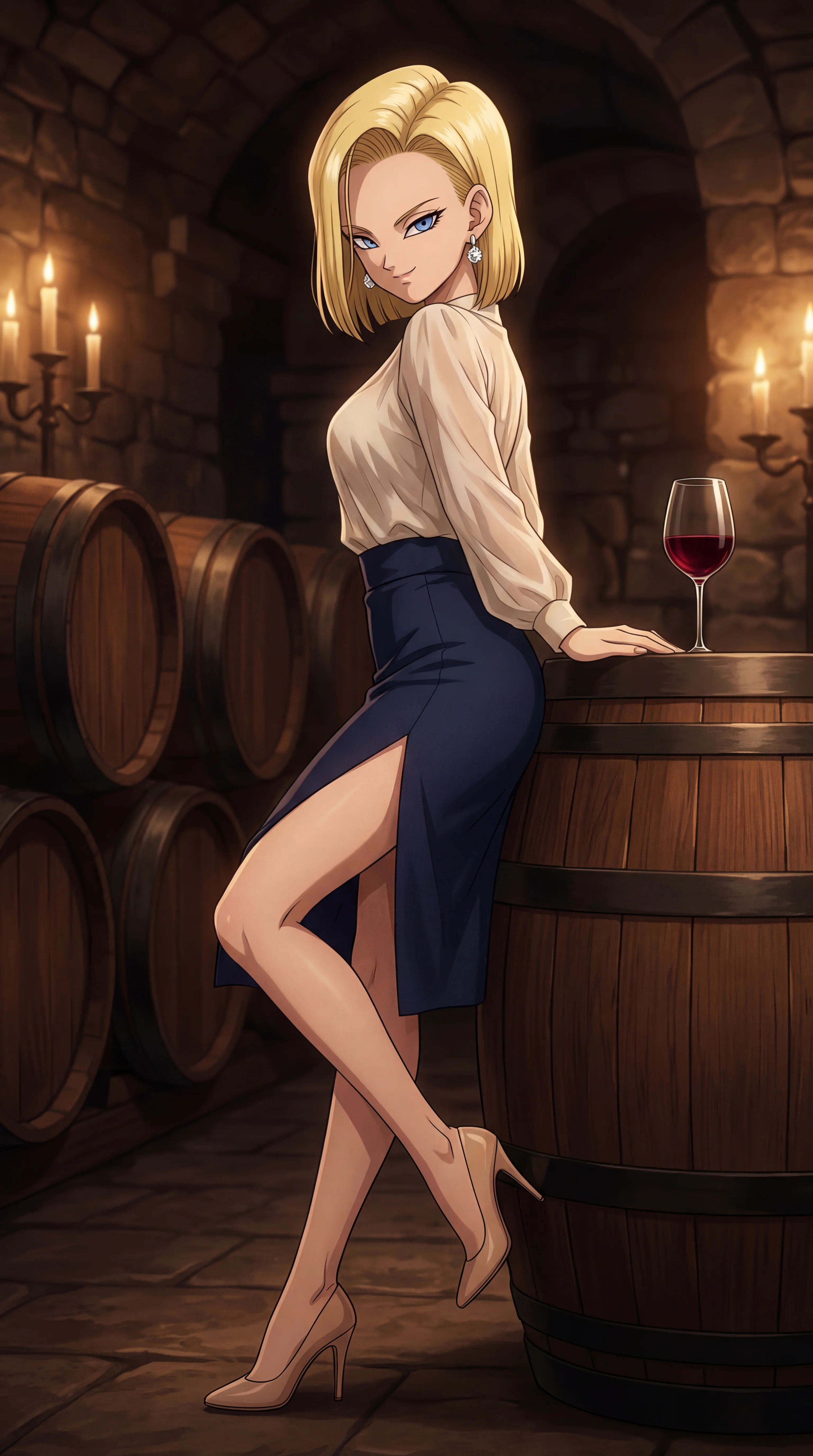
CharacterVenus Love Me Chain is Sailor Venus's signature heart-linked whip, a chain-and-light attack she carries into every version of the franchise. She unwinds the chain from her waist to strike, bind, block, and rescue, making it one of the most versatile tools in her hands.
Overview
This weapon-based technique is unusual for how consistently it travels across media: the manga, the 1990s anime, the live-action series, Crystal, the musicals, and a long list of video games all include it. The chain itself is her personal implement, its links formed like glowing golden hearts, and it counts as both an offensive and a support tool. Later it feeds into stronger forms such as the Venus Wink Chain Sword and Venus Love and Beauty Shock.
Mechanics
In the manga Venus simply detaches the chain from her hips and lashes out at whoever stands against her. The anime, which introduced the move for the second and third seasons, leans hard on its flexibility: she wields it like a rope to tie down enemies or to catch allies and even herself from danger, and she carries it forward into her Super form in the third film and the early fourth season. The live-action Pretty Guardian Sailor Moon gives it a fresh animation but keeps the orange-and-pink palette, letting the chain stretch to enormous length so she can crack it like a whip or raise it as a shield. In Crystal she debuts it in Act 11 against a mind-controlled Motoki Furuhata, coiling the links around him and jolting him with a fierce golden flash before reusing it repeatedly through the series.
Across the games the chain behaves as a spinning close-range sweep. In the Super Famicom and Mega Drive titles Venus whirls with her arm extended, catching foes on the links as they pass, and in later releases she circles the chain around her body from head to foot. Some puzzle and party entries limit it to specific moments where it hinders an opponent or aids the player, while Another Story mirrors the anime version, ending the spin with a small burst of light on contact.

Notable Users
Sailor Venus, in both her base and Super forms, is the primary user, and the copycat foe ManeMane Girl also mimics it. The anime turned the chain into a problem-solving staple beyond combat: Venus used it to snag a boulder and slow a volcano's flow in episode 67, to knock a space-time bomb from Koan's grip in episode 70 and disarm Petz in episode 72, to seize U-Henshu's arm in episode 113, and to catch Chibiusa and Hotaru mid-fall in episode 118, later anchoring herself and Sailor Pluto above an abyss in episode 171. English dubs split the naming, with DiC using Venus Love Chain Encircle for binding and Venus Love Chain Blast for striking, while Cloverway settled on Encircle for both. It also holds the distinction of being the one new attack from Sailor Moon R that stayed in rotation past SuperS, and its Crystal third-season animation was retraced from the original 1990s footage.
Related Reading
See all
Naruto vs Luffy: Does the Fight Change if Luffy Tickles Hinata?
Naruto vs Luffy with the twist nobody asked for: Luffy tickled Hinata on date night, and she kind of liked it. We break down the whole fight and commit to a winner....
Piccolo Gets the Namek Hoes: Namek Has No Women, and He Pulls Anyway
There are no women on Namek. That isn't an oversight, it's the biology. Why we handed Piccolo the one thing his own species rules out, and why it had to be trap soul....
Frequently Asked Questions
What is the Venus Love Me Chain?
The Venus Love Me Chain is Sailor Venus's signature weapon, a chain formed of glowing golden hearts that she unwinds from her waist to attack, bind enemies, or rescue allies.
What can the Venus Love Me Chain do?
Sailor Venus uses the Venus Love Me Chain both offensively, lashing at enemies, and as a support tool, tying down foes or catching falling allies and herself.
What does the Venus Love Me Chain upgrade into?
The Venus Love Me Chain eventually leads into stronger techniques, including the Venus Wink Chain Sword and Venus Love and Beauty Shock.
When did the Venus Love Me Chain first appear in the anime?
The Venus Love Me Chain debuted in the 1990s anime during the episode Dispute Over Love: Minako and Makoto's Conflict, and it became Sailor Venus's one new attack from Sailor Moon R that continued into SuperS.
Does anyone besides Sailor Venus use the Venus Love Me Chain?
Sailor Venus is the primary user in both her base and Super forms, and the copycat villain ManeMane Girl also mimics the technique.
Sources & Information
Looking for more on Venus Love Me Chain? The Dragon Ball Wiki on Fandom has a dedicated page with community notes.
View on FandomThis content is original writing by Daddy Jim Headquarters based on the Dragon Ball anime series, manga, and official materials. Episode and chapter references are cited where applicable.
Character and scene imagery on this site is original artwork by Daddy Jim Headquarters, not screenshots or licensed imagery. Official cover art is used on three types of pages for editorial commentary:
- Movie pages: theatrical posters and key visuals, credited to Toei Animation and Shueisha.
- Game pages: official box art, credited to Bandai Namco, Atari, and other publishers.
- Manga chapter pages: Jump Comics volume covers, credited to Shueisha and Akira Toriyama.
Official resources:
Help Us Keep This Wiki Accurate
Daddy Jim Headquarters maintains this encyclopedia. If you spot an error, a translation issue, or something that doesn't look right, let us know.
