Shitennou
CharacterThe Shitennou, or Four Kings of Heaven, are Prince Endymion's four devoted generals and bodyguards, each named for a gemstone: Jadeite, Nephrite, Zoisite, and Kunzite. Corrupted by Queen Metalia's dark energy, they abandon their prince and fight for the Dark Kingdom under Queen Beryl.
Appearance
Every general answers to the name of a mineral, and their looks shift noticeably from one adaptation to the next. The 1990s anime hands each member a signature teleport flourish: Jadeite materializes amid blue flames, Zoisite drifts in on a swirl of flower petals, and Kunzite dissolves into vertical streaks. The live-action series overhauls their costumes entirely, while the stage productions reimagine them freely. One musical repackages them as a group calling itself the Neo Shitennou, padded out with unfamiliar members, La Reconquista disguises them as a boy band named Pandemic 4, and another Sera Myu hides them behind the guise of the Jewel Metalias.
Personality
Beneath the villainy they begin as fiercely loyal protectors of Prince Endymion, mirroring how the Inner Guardians serve Princess Serenity. The television version splits them into distinct rivals who are cast aside the instant they stop being useful. Nephrite and Zoisite in particular feud bitterly, Zoisite shares a tender romance with his partner Kunzite, and Nephrite unexpectedly falls for Usagi's friend Naru. The manga instead treats them as comrades who quarrel yet mourn one another and their prince deeply. A well-known Takeuchi illustration pairs each king with a Sailor Guardian, hinting at past-life romances; the manga only confirms Kunzite with Venus and Jadeite with Mars, whereas Crystal makes all four couplings explicit.
History
In the anime the generals fall one after another. Jadeite runs energy-harvesting schemes behind a rotating set of disguises until a failure earns him eternal sleep. Nephrite, posing as the dapper businessman Masato Sanjoin, warms to Naru and dies beside her mid-redemption, felled by the very monsters Zoisite sent. Zoisite hunts the seven Rainbow Crystals and exposes Tuxedo Mask's identity, only for an enraged Queen Beryl to strike him down; a grieving Kunzite grants his lover a final wish to pass in a beautiful place. Kunzite lasts longest, harried by the brainwashed Endymion, before Sailor Moon turns his own dark energy back on him.
The manga and Crystal recast them as Endymion's Silver Millennium guardians who turn on him out of distrust toward the Moon, perish, and live on as spirit-bearing stones that counsel Mamoru through later arcs. Crystal frames them as cooperative teammates rather than rivals; they recover their memories only to be brainwashed anew, and their stones later shield Mamoru from the Sword of the Silver Crystal while guiding him to destroy Metalia. In the live-action continuity they can return from death and eventually side with Mamoru to bring down Queen Mio, afterward watching him wed Usagi.
Related Reading
See all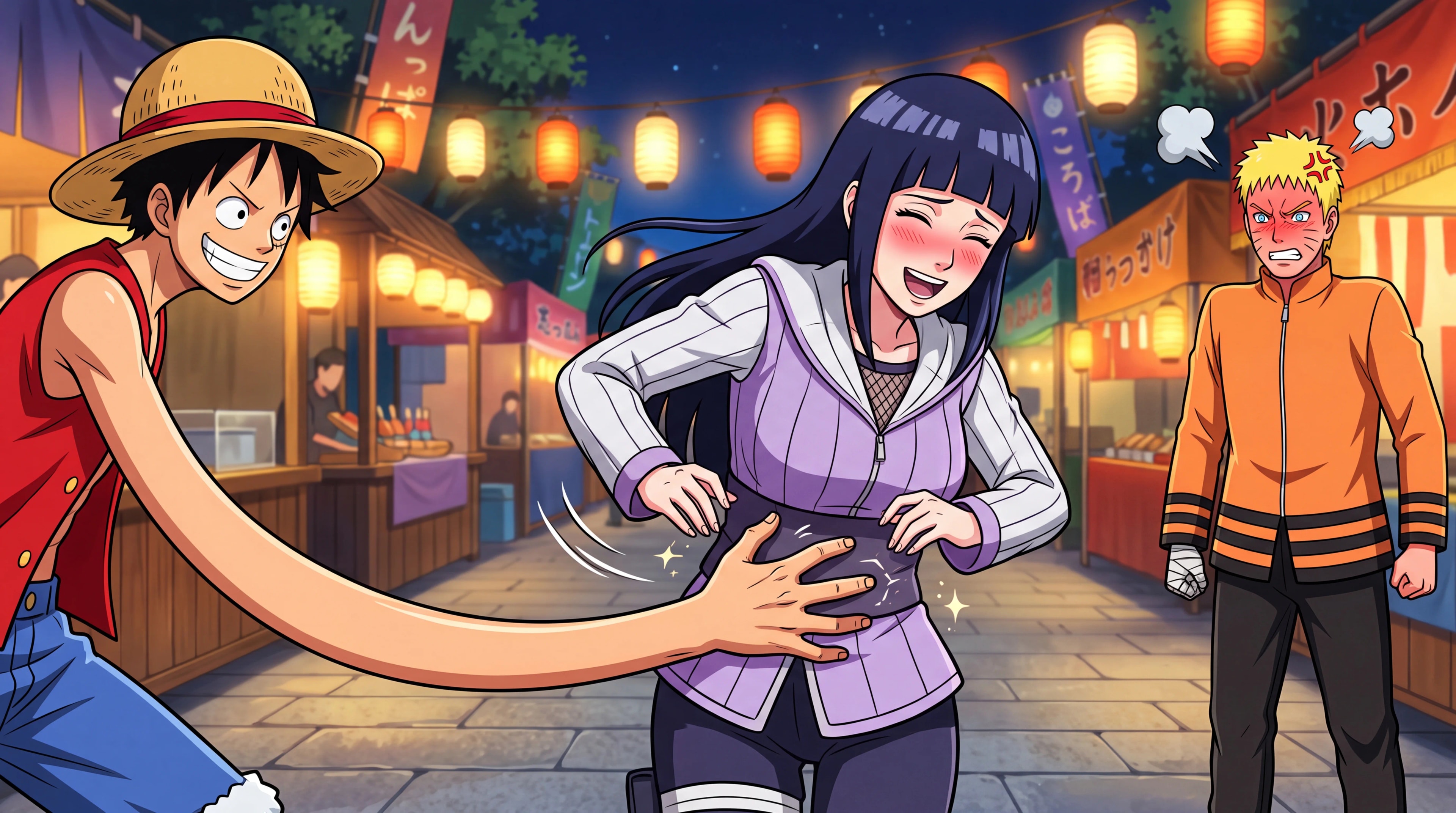
Naruto vs Luffy: Does the Fight Change if Luffy Tickles Hinata?
Naruto vs Luffy with the twist nobody asked for: Luffy tickled Hinata on date night, and she kind of liked it. We break down the whole fight and commit to a winner....
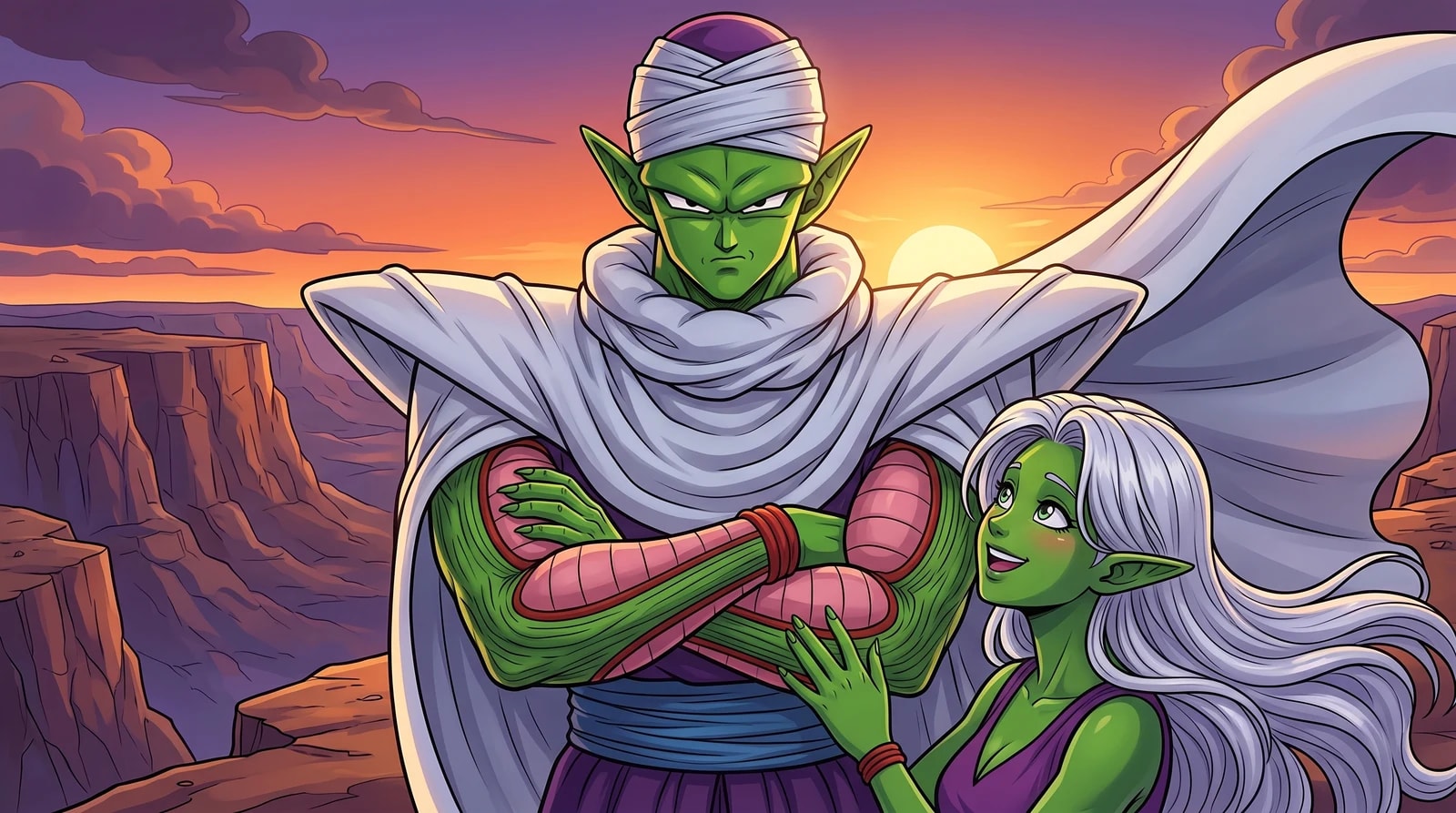
Piccolo Gets the Namek Hoes: Namek Has No Women, and He Pulls Anyway
There are no women on Namek. That isn't an oversight, it's the biology. Why we handed Piccolo the one thing his own species rules out, and why it had to be trap soul....
Frequently Asked Questions
Who are the four guardians of Endymion?
The four guardians of Prince Endymion, known as the Shitennou or Four Kings of Heaven, are Jadeite, Nephrite, Zoisite, and Kunzite.
Who killed Zoisite?
Zoisite is killed by an enraged Queen Beryl after he exposes Tuxedo Mask's identity while hunting the seven Rainbow Crystals.
What are the Shitennou named after?
Each member of the Shitennou is named after a different gemstone.
Which two Shitennou members are romantically involved?
Among the Shitennou, Zoisite shares a tender romance with his partner Kunzite.
How does the live-action Sailor Moon treat the Shitennou differently from the anime?
The live-action series overhauls the Shitennou's costumes entirely and allows them to return from death, eventually siding with Mamoru to bring down Queen Mio.
Sources & Information
Looking for more on Shitennou? The Dragon Ball Wiki on Fandom has a dedicated page with community notes.
View on FandomThis content is original writing by Daddy Jim Headquarters based on the Dragon Ball anime series, manga, and official materials. Episode and chapter references are cited where applicable.
Character and scene imagery on this site is original artwork by Daddy Jim Headquarters, not screenshots or licensed imagery. Official cover art is used on three types of pages for editorial commentary:
- Movie pages: theatrical posters and key visuals, credited to Toei Animation and Shueisha.
- Game pages: official box art, credited to Bandai Namco, Atari, and other publishers.
- Manga chapter pages: Jump Comics volume covers, credited to Shueisha and Akira Toriyama.
Official resources:
Help Us Keep This Wiki Accurate
Daddy Jim Headquarters maintains this encyclopedia. If you spot an error, a translation issue, or something that doesn't look right, let us know.