Orgel
ItemFans usually call it the Star Locket, but the Orgel is a chained, star-shaped music box that Princess Serenity first pressed into Prince Endymion's hands during the Silver Millennium as a pledge of love. Tuxedo Mask carries it in the modern day before it passes to Sailor Moon.
Overview
Rendered as a little star of metal on a chain, the piece conceals a domed middle; lift the dome and a crescent moon sits on a white field, spinning gently and glowing while the melody plays. The word itself is simply the ordinary Japanese name for a music box, and a Bandai toy version circulated under a label English sellers tended to translate as a starry-sky music box. No such locket exists in the manga, where Mamoru's Moon Phase pocket watch, a distinct object, fulfills a similar role; the anime keepsake was actually patterned after that very watch.


Function
Once its lid comes up, the locket sounds an instrumental take on Moonlight Densetsu, casting a slim beam of light as the crescent within turns. Now and then it begins to play with no one touching it, which many read as proof that it answers to the heart of whoever owns it; one such spontaneous tune soothed both Usagi and Naru. Whether any real magic runs through it is never confirmed, but its Moon Kingdom roots and a single dramatic moment hint that way. With Endymion under Beryl's mind control, Sailor Moon reaches for the locket as a desperate final measure, and the instant he makes contact, light pours over him and returns everything he had forgotten.


Notable Users
The locket's earliest keeper is Princess Serenity, who hands it to Prince Endymion as a token of the bond they shared in the Silver Millennium, a moment revisited both in a later flashback and in a canvas painted by Yumemi Yumeno, a former Seven Great Youma who recalled it from a past life. Come the present, Tuxedo Mask holds onto it until a fight knocks it from his grasp and Sailor Moon picks it up, and in time he tells her the treasure is hers to keep.
Related Reading
See all
Naruto vs Luffy: Does the Fight Change if Luffy Tickles Hinata?
Naruto vs Luffy with the twist nobody asked for: Luffy tickled Hinata on date night, and she kind of liked it. We break down the whole fight and commit to a winner....
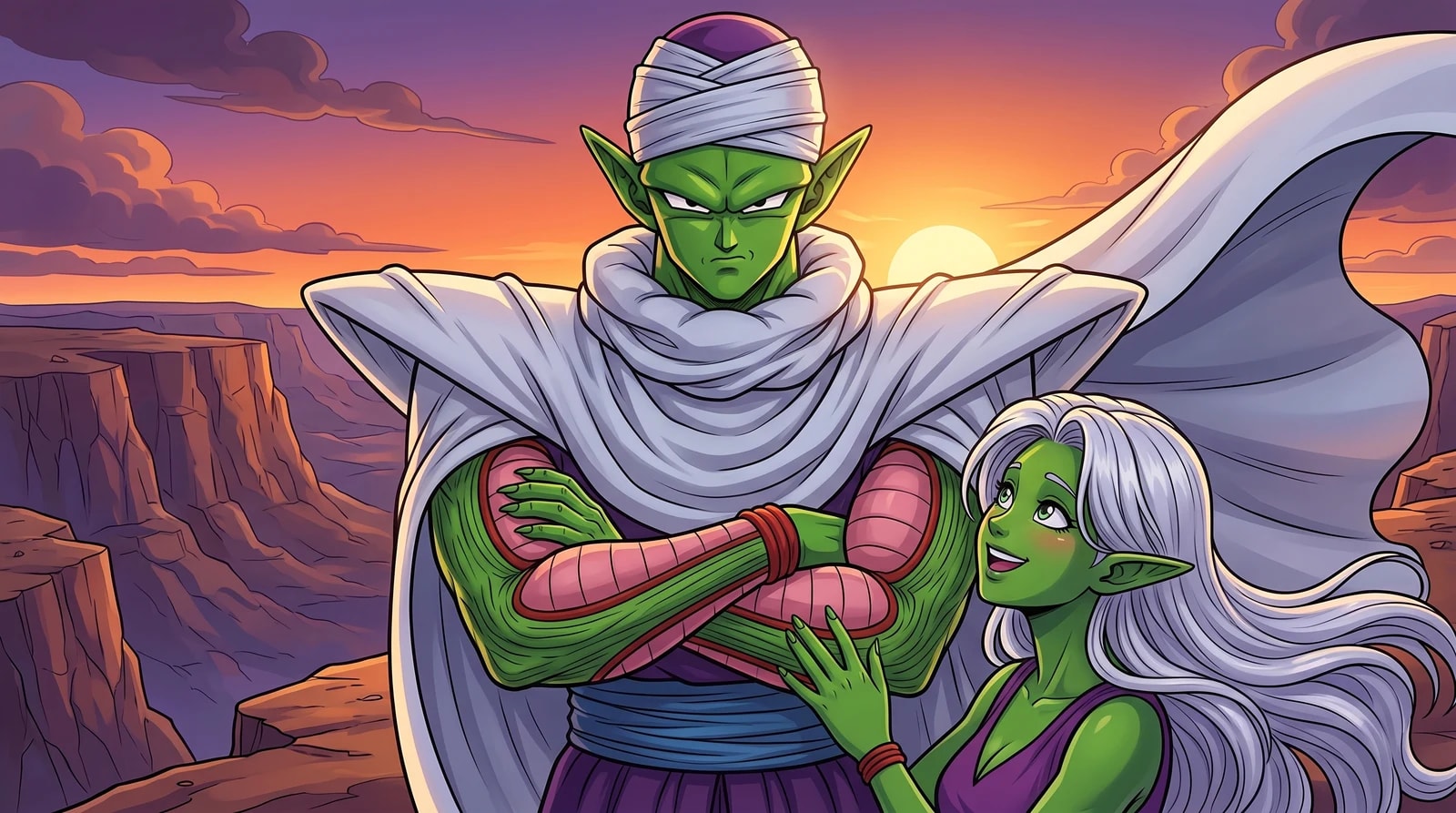
Piccolo Gets the Namek Hoes: Namek Has No Women, and He Pulls Anyway
There are no women on Namek. That isn't an oversight, it's the biology. Why we handed Piccolo the one thing his own species rules out, and why it had to be trap soul....


Frequently Asked Questions
What does the name Orgel mean?
Orgel is simply the ordinary Japanese word for a music box, and in Sailor Moon it names the chained, star-shaped locket that fans often call the Star Locket.
What is the Orgel in Sailor Moon?
The Orgel is a star-shaped music box on a chain that Princess Serenity first pressed into Prince Endymion's hands during the Silver Millennium as a pledge of love.
What song does the Orgel play?
Once its lid comes up, the Orgel plays an instrumental version of Moonlight Densetsu while a crescent moon inside glows and spins.
How does the Orgel help free Endymion from Beryl's mind control?
With Endymion under Beryl's mind control, Sailor Moon reaches for the Orgel as a desperate final measure, and the instant he makes contact with it, light pours over him and returns everything he had forgotten.
Does the Orgel appear in the Sailor Moon manga?
No, the Orgel is unique to the anime; the manga instead uses Mamoru's Moon Phase pocket watch for a similar role, and the anime keepsake was actually patterned after that watch.
Sources & Information
Looking for more on Orgel? The Dragon Ball Wiki on Fandom has a dedicated page with community notes.
View on FandomThis content is original writing by Daddy Jim Headquarters based on the Dragon Ball anime series, manga, and official materials. Episode and chapter references are cited where applicable.
Character and scene imagery on this site is original artwork by Daddy Jim Headquarters, not screenshots or licensed imagery. Official cover art is used on three types of pages for editorial commentary:
- Movie pages: theatrical posters and key visuals, credited to Toei Animation and Shueisha.
- Game pages: official box art, credited to Bandai Namco, Atari, and other publishers.
- Manga chapter pages: Jump Comics volume covers, credited to Shueisha and Akira Toriyama.
Official resources:
Help Us Keep This Wiki Accurate
Daddy Jim Headquarters maintains this encyclopedia. If you spot an error, a translation issue, or something that doesn't look right, let us know.
