Pink Moon Crystal
ItemThe Pink Moon Crystal is Sailor Chibi Moon's own Sailor Crystal, the gem that finally sets her apart from her mother. It begins as a silver tear identical to the Silver Crystal, then shifts to a pink lotus shape and a name of its own, letting Chibiusa reach her Eternal form.
Overview
Belonging to Chibiusa, this crystal makes its first showing during the Black Moon arc, where it takes the form of a silver teardrop indistinguishable from the Silver Crystal carried by her mother and is called by that same name. Only much later, at the close of the Dream arc, does it settle into a lotus outline like the crystals of both her parents, turn pink, and earn the distinct title of the Pink Moon Crystal. From that point it is plainly its own gem rather than a copy of Usagi's, and Chibiusa can even heal with it, as she does when she brings Helios back.

Function
Chibiusa invokes the phrase Pink Moon Crystal Power, Make Up to become Eternal Sailor Chibi Moon, carrying the gem in her compact and calling on it to transform. Its arc traces her long struggle with feeling powerless beside her mother. In the Black Moon arc she twice steals a Silver Crystal, first from Neo-Queen Serenity and then from Usagi in the past, and can use neither, a failure Wiseman twists to warp her into Black Lady. Her true awakening comes only when she witnesses Sailor Pluto's death, and her first crystal is born from a single tear, mirroring how Usagi's own power once emerged.
Later arcs push the gem further. During the Infinity arc Hotaru warns that it outstrips the Taioron Crystal yet cautions Chibiusa against flaunting it, advice that comes too late once Mistress 9 overhears and seizes both the crystal and Chibiusa's life, the two saved by Hotaru's sacrifice. In the Dream arc she channels Moon Crystal Power to lend her strength to Sailor Moon's Eternal Tiare against Nehelenia, and it is Diana who finally names the pink lotus gem as a Sailor Crystal entirely her own.

Notable Users
Sailor Chibi Moon is the crystal's sole owner and the only guardian able to draw on it. In the Stars arc she uses it inside the Crystal Palace, taking her Eternal form during a clash of wills with her mother and rousing her personal guardians, the Sailor Quartet, to travel with her into the past. How she came to manifest a Sailor Crystal of her own rather than inherit the family's Silver Crystal is never fully explained, since such a thing had been thought impossible.
Related Reading
See all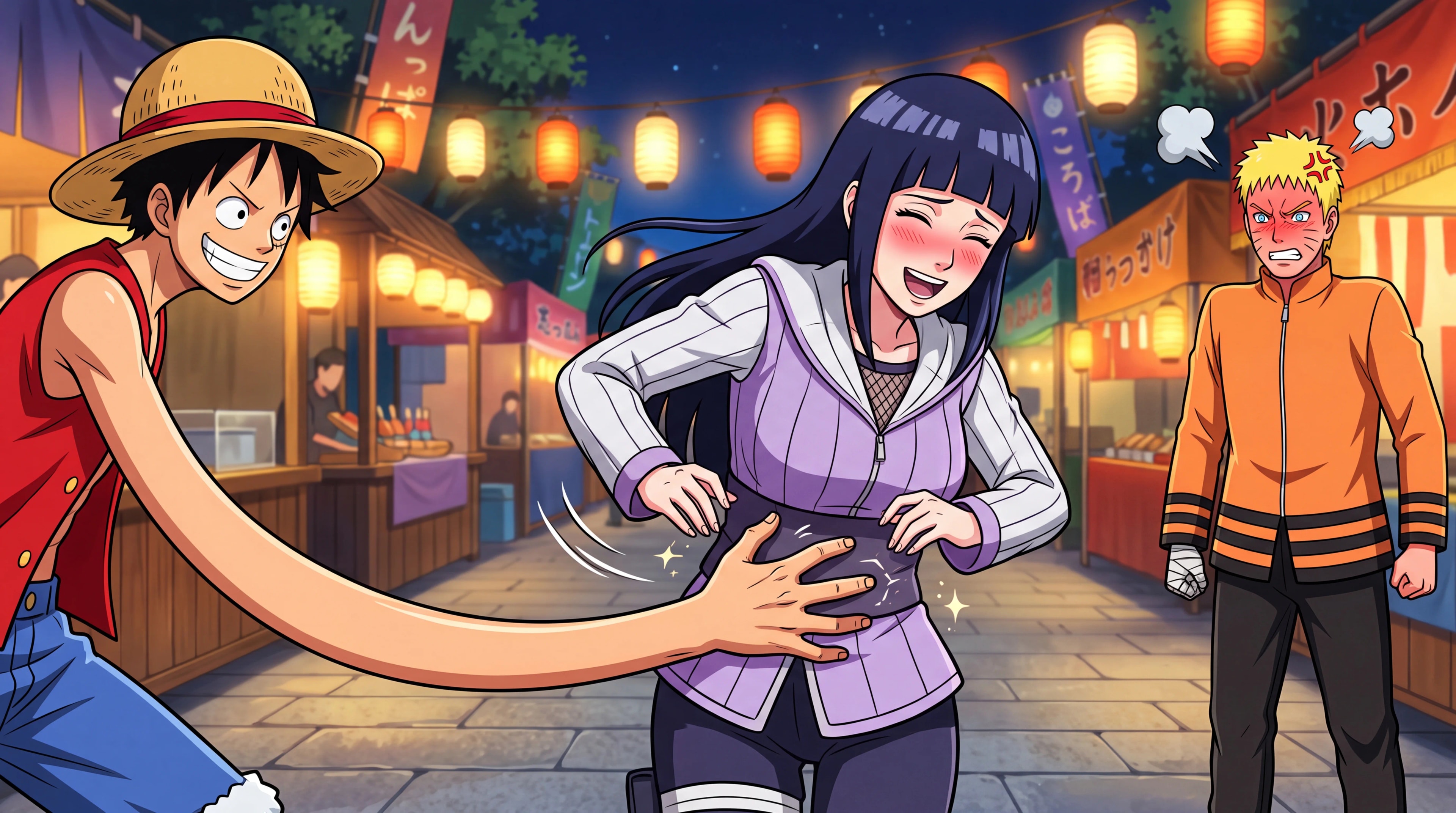
Naruto vs Luffy: Does the Fight Change if Luffy Tickles Hinata?
Naruto vs Luffy with the twist nobody asked for: Luffy tickled Hinata on date night, and she kind of liked it. We break down the whole fight and commit to a winner....
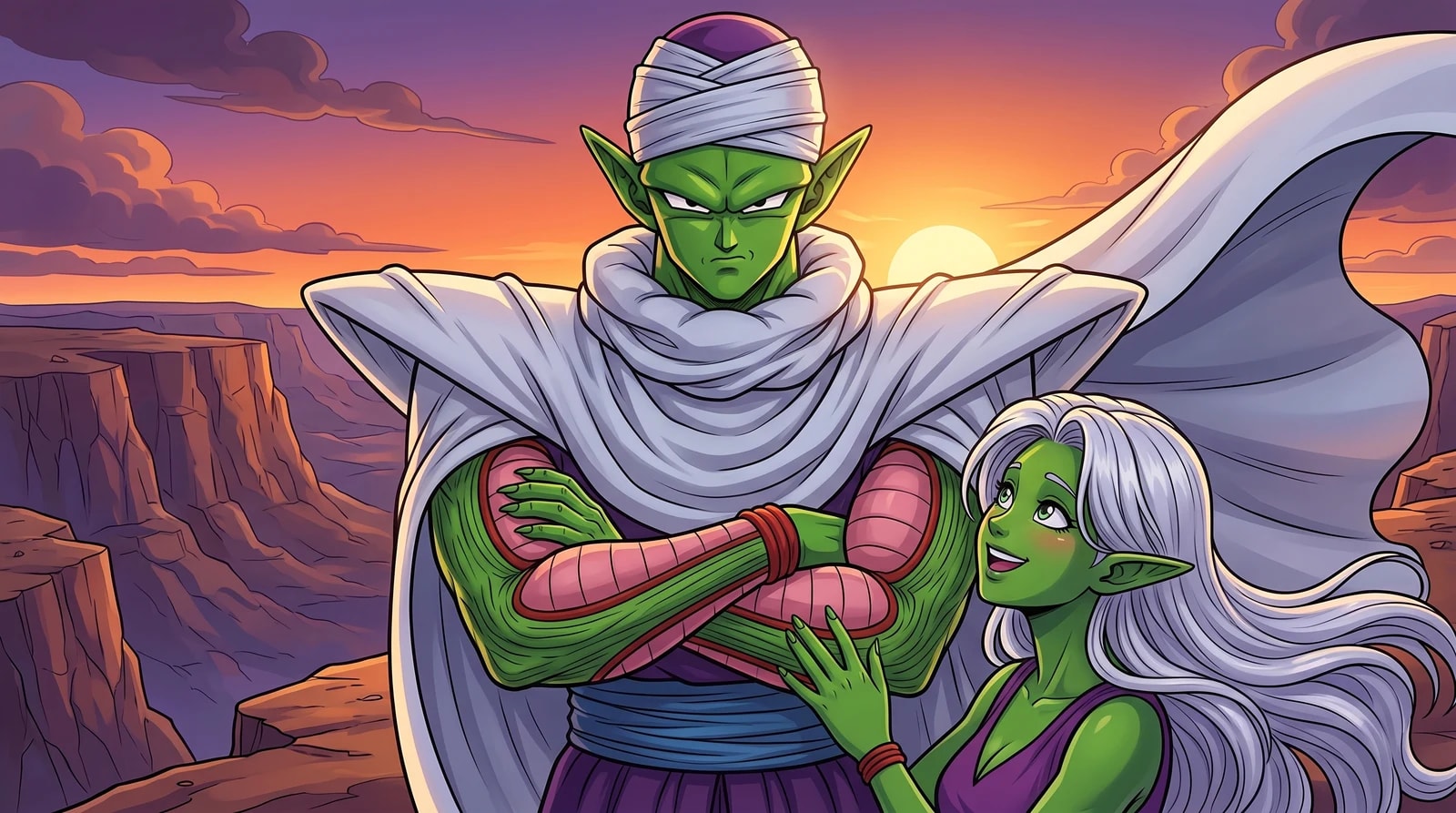
Piccolo Gets the Namek Hoes: Namek Has No Women, and He Pulls Anyway
There are no women on Namek. That isn't an oversight, it's the biology. Why we handed Piccolo the one thing his own species rules out, and why it had to be trap soul....
Frequently Asked Questions
Does Chibiusa have her own Silver Crystal?
Not exactly. Chibiusa's crystal starts out in the Black Moon arc as a silver tear identical to her mother's Silver Crystal, but by the end of the Dream arc it shifts into a pink lotus shape and becomes its own gem, the Pink Moon Crystal.
What is the Pink Moon Crystal used for?
Chibiusa invokes the phrase Pink Moon Crystal Power, Make Up while holding the gem in her compact to transform into Eternal Sailor Chibi Moon.
Why couldn't Chibiusa use the Silver Crystal she stole?
During the Black Moon arc, Chibiusa twice steals a Silver Crystal, first from Neo-Queen Serenity and then from Usagi in the past, but she can use neither, a failure Wiseman twists to warp her into Black Lady.
What triggers Chibiusa's true awakening as a Sailor Crystal user?
Chibiusa's true awakening comes only when she witnesses Sailor Pluto's death, and her first crystal is born from a single tear, mirroring how Usagi's own power once emerged.
Who identifies the Pink Moon Crystal as Chibiusa's own gem?
Diana is the one who finally names the pink lotus gem as a Sailor Crystal entirely her own, distinct from her mother's Silver Crystal.
Sources & Information
Looking for more on Pink Moon Crystal? The Dragon Ball Wiki on Fandom has a dedicated page with community notes.
View on FandomThis content is original writing by Daddy Jim Headquarters based on the Dragon Ball anime series, manga, and official materials. Episode and chapter references are cited where applicable.
Character and scene imagery on this site is original artwork by Daddy Jim Headquarters, not screenshots or licensed imagery. Official cover art is used on three types of pages for editorial commentary:
- Movie pages: theatrical posters and key visuals, credited to Toei Animation and Shueisha.
- Game pages: official box art, credited to Bandai Namco, Atari, and other publishers.
- Manga chapter pages: Jump Comics volume covers, credited to Shueisha and Akira Toriyama.
Official resources:
Help Us Keep This Wiki Accurate
Daddy Jim Headquarters maintains this encyclopedia. If you spot an error, a translation issue, or something that doesn't look right, let us know.