Ghoul Restaurant
CharacterThe Ghoul Restaurant is a secretive society drawn largely from the upper crust of ghoul society, admitting members through a tight vetting system. Its purpose is to supply human bodies and body parts as food, served up as a grim form of high-class entertainment.
Overview
Operating as a hidden society with a strict entry system, the Ghoul Restaurant gathers members who tend to come from the wealthier ranks of ghoul society. The organization exists to furnish human flesh to its attendees, treating cannibalism as an exclusive social occasion rather than mere feeding.
Role
The society's signature event is the so-called Dismantling Show. Unsuspecting humans are lured in as guests, told to wash and dress in formal attire, then trapped in an arena with a human captive known as the Scrapper. Trained to turn each killing into a spectacle, the Scrapper slaughters the victims for the amusement of the watching members, after which the staff prepare the corpses and serve them at the table.
The branch shown most in the story stood in the 7th Ward before Kaneki's group tore it down. Other outlets were rumored to exist, and the CCG's Auction Mopping-up Operation later confirmed they belonged to a sprawling network of black-market trade and human trafficking. The killings of Big Madam and Nutcracker dealt that whole enterprise a heavy blow.


Notable Members
The 7th Ward branch counted Shuu Tsukiyama among its ranks before he broke away, alongside figures such as Mitarai, the man calling himself Souta, Maiko Abe under the name Madam A, and Rou. A separate branch answered to Big Madam and included Mirumo Tsukiyama and the killer Nutcracker with her partner. Victims run from Kobachi and Ami, who died, to Ken Kaneki, who lived through his ordeal. The role of Scrapper fell to captives like Taro and, in another branch, Juuzou Suzuya, who was eventually rescued, while the Yasuhisa twins Kurona and Nashiro once served Madam A as bodyguards.
Related Reading
See all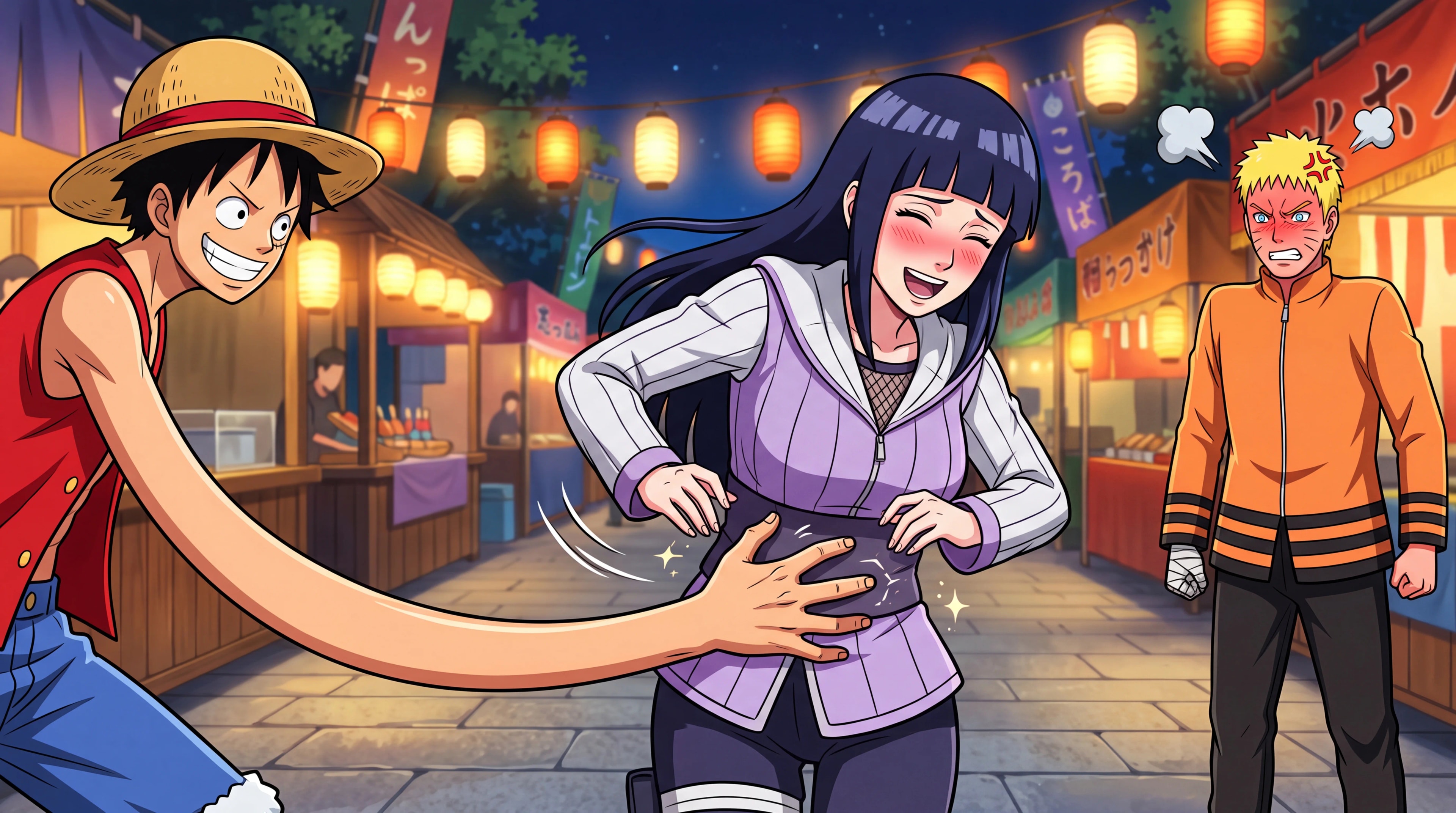
Naruto vs Luffy: Does the Fight Change if Luffy Tickles Hinata?
Naruto vs Luffy with the twist nobody asked for: Luffy tickled Hinata on date night, and she kind of liked it. We break down the whole fight and commit to a winner....
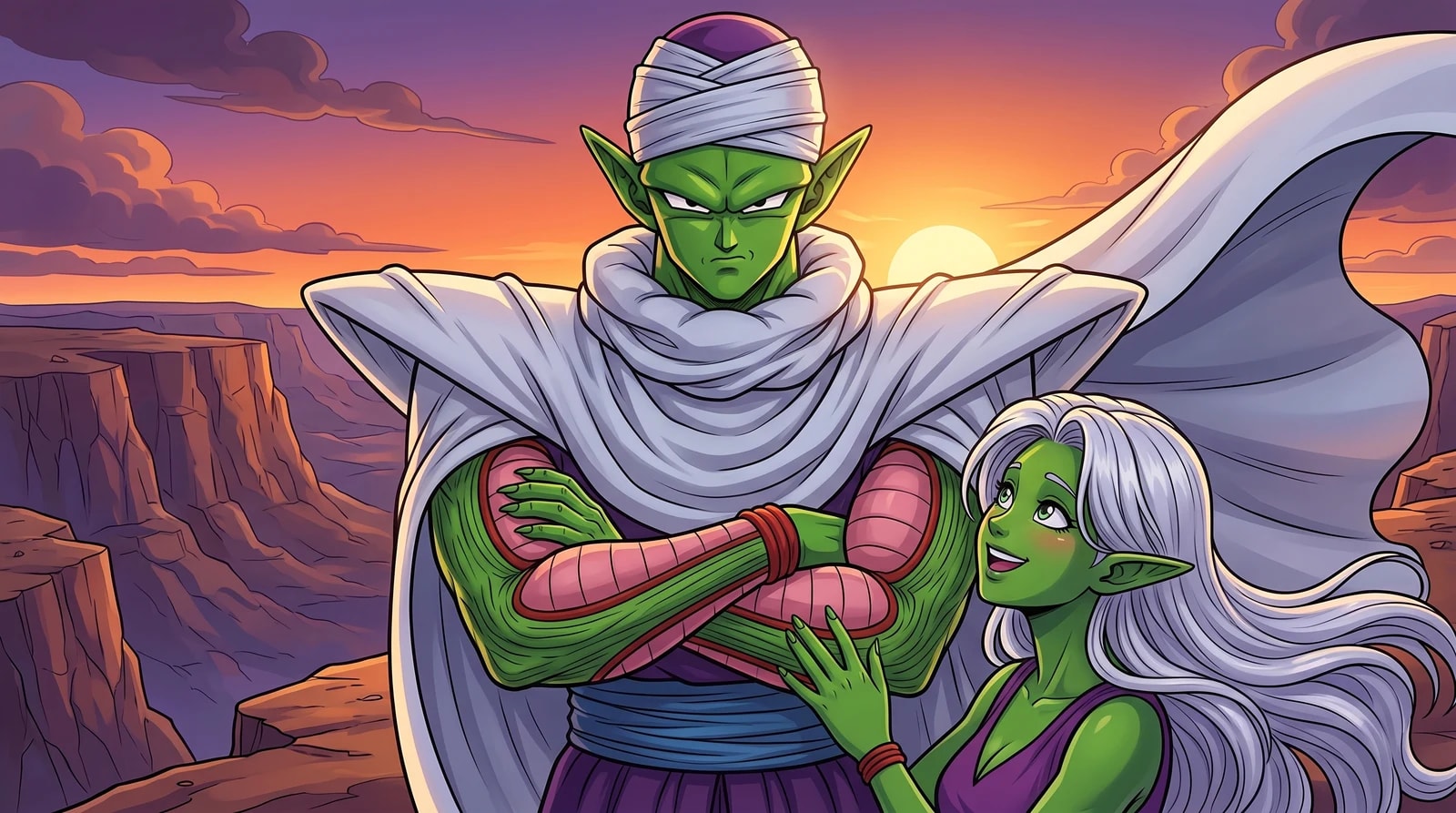
Piccolo Gets the Namek Hoes: Namek Has No Women, and He Pulls Anyway
There are no women on Namek. That isn't an oversight, it's the biology. Why we handed Piccolo the one thing his own species rules out, and why it had to be trap soul....
Frequently Asked Questions
Who wiped out the Ghoul Restaurant?
Kaneki's group tore down the Ghoul Restaurant's most prominent branch, which stood in the 7th Ward. The CCG's Auction Mopping-up Operation later dealt the wider network a heavy blow after killing Big Madam and Nutcracker.
What is the Ghoul Restaurant?
The Ghoul Restaurant is a secretive society drawn largely from the upper crust of ghoul society, admitting members through a tight vetting system. It exists to supply human bodies as food, treated as a grim form of high class entertainment.
What is the Dismantling Show?
The Dismantling Show is the Ghoul Restaurant's signature event, in which unsuspecting humans are lured in as guests and trapped in an arena with a human captive known as the Scrapper, who kills them for the members' amusement before the corpses are served.
What criminal network was the Ghoul Restaurant connected to?
The Ghoul Restaurant was tied to a sprawling black market trade and human trafficking network, confirmed by the CCG's Auction Mopping-up Operation. Other branches beyond the 7th Ward were rumored to exist as part of this network.
Who was a notable member of the Ghoul Restaurant before leaving?
Shuu Tsukiyama was a notable member of the Ghoul Restaurant's 7th Ward branch before breaking away from the organization.
Sources & Information
Looking for more on Ghoul Restaurant? The Dragon Ball Wiki on Fandom has a dedicated page with community notes.
View on FandomThis content is original writing by Daddy Jim Headquarters based on the Dragon Ball anime series, manga, and official materials. Episode and chapter references are cited where applicable.
Character and scene imagery on this site is original artwork by Daddy Jim Headquarters, not screenshots or licensed imagery. Official cover art is used on three types of pages for editorial commentary:
- Movie pages: theatrical posters and key visuals, credited to Toei Animation and Shueisha.
- Game pages: official box art, credited to Bandai Namco, Atari, and other publishers.
- Manga chapter pages: Jump Comics volume covers, credited to Shueisha and Akira Toriyama.
Official resources:
Help Us Keep This Wiki Accurate
Daddy Jim Headquarters maintains this encyclopedia. If you spot an error, a translation issue, or something that doesn't look right, let us know.