Quinque
CharacterA quinque is the signature weapon of the Commission of Counter Ghoul, forged from the very organ that gives a ghoul its power. By turning a slain ghoul's kakuhou into a controllable blade or gun, investigators fight monsters with weapons grown from monsters.
Overview
Known in Japanese as kuinke, a quinque is an anti-ghoul armament built around a harvested kakuhou and carried by the ghoul investigators of the CCG. The design is credited to Adam Gehner and Yoshiu Washuu. It works by feeding electrical pulses into the kakuhou, coaxing the organ to unfurl and obey the wielder. Most take the shape of a melee or ranged weapon while keeping traits of the kagune they came from. Unlike a living kagune, a quinque holds a fixed form and cannot draw in or bank Rc cells beyond whatever it was built with.

Role
Firearms were the CCG's earlier answer to ghouls, but the search for something deadlier drove the research that produced these weapons. Built for a single purpose, extermination, they pushed kill rates sharply upward and were hailed as the next wave of counter-ghoul technology. Investigators haul them in cases and bags that store the kakuhou, and while some treat collecting them as a pastime, others devote themselves to mastering a single blade. Claiming one follows a set path: an investigator first pins down a target's Rc type, kills it, then usually names the finished weapon after the ghoul it was taken from.



Notable Members
Two rarer breeds stand apart. A chimera quinque fuses more than one Rc type into a single tool, either by drawing on a ghoul with mixed kagune or one born with two types, as with Nutcracker and Hinami Fueguchi; Akira Mado's Amatsu, blending koukaku and bikaku, is the best-known case, valuable against varied foes but nearly impossible to build. The kakuja variety comes from ghouls that cannibalized their way into a mutated state, and it usually manifests as armor that shields and strengthens the wearer, though it slowly gnaws at them and drains their vigor to sustain itself. Some kakuja weapons instead take offensive shapes such as blades that keep abilities like projectile fire, detachment, and remote triggering. Most were cut from Arata Kirishima and passed to investigators including Yukinori Shinohara, Koutarou Amon, and Juuzou Suzuya, with Owl, drawn from Yoshimura for Kishou Arima, and Ginkui, taken from Noro for Kuki Urie, as notable exceptions. A curious footnote: at least the armor types can be eaten safely by ghouls, since Ken Kaneki once swallowed Shinohara's Arata with no aftereffects.
Related Reading
See all
Naruto vs Luffy: Does the Fight Change if Luffy Tickles Hinata?
Naruto vs Luffy with the twist nobody asked for: Luffy tickled Hinata on date night, and she kind of liked it. We break down the whole fight and commit to a winner....
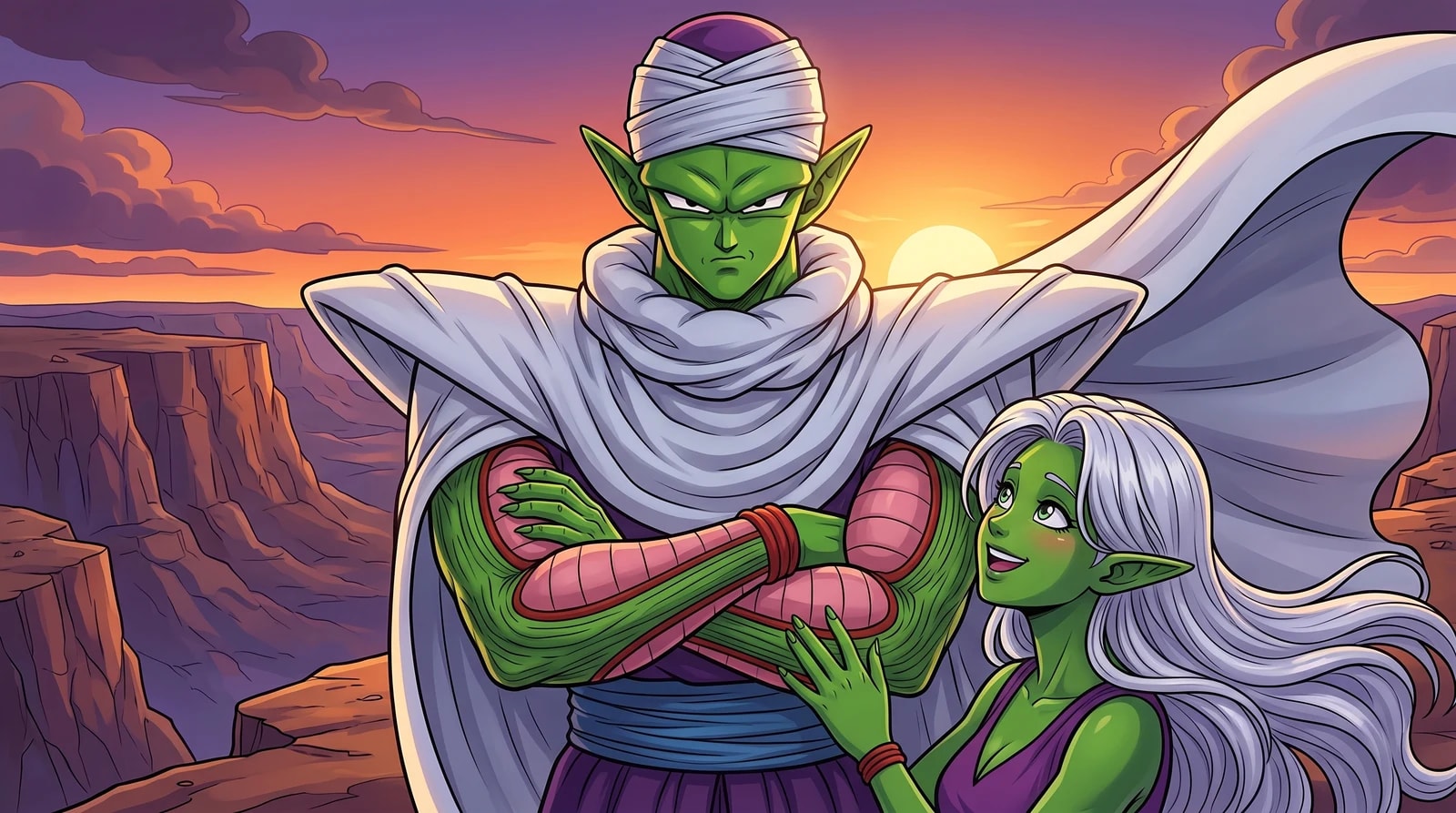
Piccolo Gets the Namek Hoes: Namek Has No Women, and He Pulls Anyway
There are no women on Namek. That isn't an oversight, it's the biology. Why we handed Piccolo the one thing his own species rules out, and why it had to be trap soul....


Frequently Asked Questions
What are quinques in Tokyo Ghoul?
A quinque is the signature anti-ghoul weapon of the Commission of Counter Ghoul, built around a harvested ghoul kakuhou and carried by CCG ghoul investigators. Electrical pulses coax the organ into a fixed melee or ranged weapon that keeps traits of the kagune it came from.
What are quinques made of?
Quinques are made from a harvested kakuhou, the organ that gives a ghoul its kagune power. An investigator first identifies the target's Rc type, kills the ghoul, then usually names the finished weapon after it.
Does Kaneki use a quinque?
Ken Kaneki does not typically use a quinque, since these weapons are carried by CCG investigators rather than ghouls. He did once swallow Shinohara's Arata, a kakuja quinque, with no aftereffects, showing that some quinque armor types can be safely eaten by ghouls.
Who invented the quinque?
The quinque was designed by Adam Gehner and Yoshiu Washuu, whose research pushed the CCG's kill rates against ghouls sharply upward.
What is a kakuja quinque?
A kakuja quinque is a rarer type of quinque taken from ghouls that cannibalized their way into a mutated state. It usually manifests as armor that shields and strengthens the wearer, though it slowly drains their vigor to sustain itself.
Sources & Information
Looking for more on Quinque? The Dragon Ball Wiki on Fandom has a dedicated page with community notes.
View on FandomThis content is original writing by Daddy Jim Headquarters based on the Dragon Ball anime series, manga, and official materials. Episode and chapter references are cited where applicable.
Character and scene imagery on this site is original artwork by Daddy Jim Headquarters, not screenshots or licensed imagery. Official cover art is used on three types of pages for editorial commentary:
- Movie pages: theatrical posters and key visuals, credited to Toei Animation and Shueisha.
- Game pages: official box art, credited to Bandai Namco, Atari, and other publishers.
- Manga chapter pages: Jump Comics volume covers, credited to Shueisha and Akira Toriyama.
Official resources:
Help Us Keep This Wiki Accurate
Daddy Jim Headquarters maintains this encyclopedia. If you spot an error, a translation issue, or something that doesn't look right, let us know.