Rating
CharacterThe rating system is how the Commission of Counter Ghoul measures the danger a ghoul poses. Running from the fearsome SSS down to the lowly C, each grade reflects a subject's strength, activity, and hostility, guiding how many investigators get sent to deal with it.
Overview
Read as rēto, a rating is the label the CCG attaches to a ghoul to convey its estimated power and how much of a menace it represents. The scale holds six tiers, topping out at SSS for the strongest and bottoming out at C for the least capable. A tilde beside a grade signals that the figure is a floor rather than a fixed value, meaning the ghoul is judged to be at minimum that dangerous and could be revised upward once more is learned about it.

Role
Assessors weigh several things: raw strength, how active the subject is, its sway over other ghouls, and how aggressively it goes after investigators. Each tier maps roughly to the caliber of officer needed to match it. An SS threat calls for several Special Class Investigators, an S+ equals a typical Special Class, and an A ghoul stands on par with a First Class officer and may sprout a second tail. B-rated ghouls line up with Rank 1 through Rank 3 staff and pose only a modest danger, while C-rated ones can barely challenge an investigator and prey on defenseless people instead. The tally also folds in the real harm a ghoul has done, counting its feeding and killing incidents. The framework replaced an older one built on degrees, so a designation like special third degree became the SSS grade used today.

Notable Members
Only a handful of ghouls have ever reached the SSS ceiling, among them Eto Yoshimura as the One-Eyed Owl, Yoshimura as the Non-Killing Owl, and Roma Hoito. The SS band gathers many of the series' heavyweights, including Big Madam, Hinami Fueguchi, Ayato Kirishima, Uta, and Ken Kaneki in his Haise Sasaki period. Familiar names such as Rize Kamishiro, Shuu Tsukiyama, and Kuki Urie sit at S, while lesser threats like Akashi Kobayashi at B+ and Scarecrow at C anchor the bottom of the ladder.
Related Reading
See all
Naruto vs Luffy: Does the Fight Change if Luffy Tickles Hinata?
Naruto vs Luffy with the twist nobody asked for: Luffy tickled Hinata on date night, and she kind of liked it. We break down the whole fight and commit to a winner....
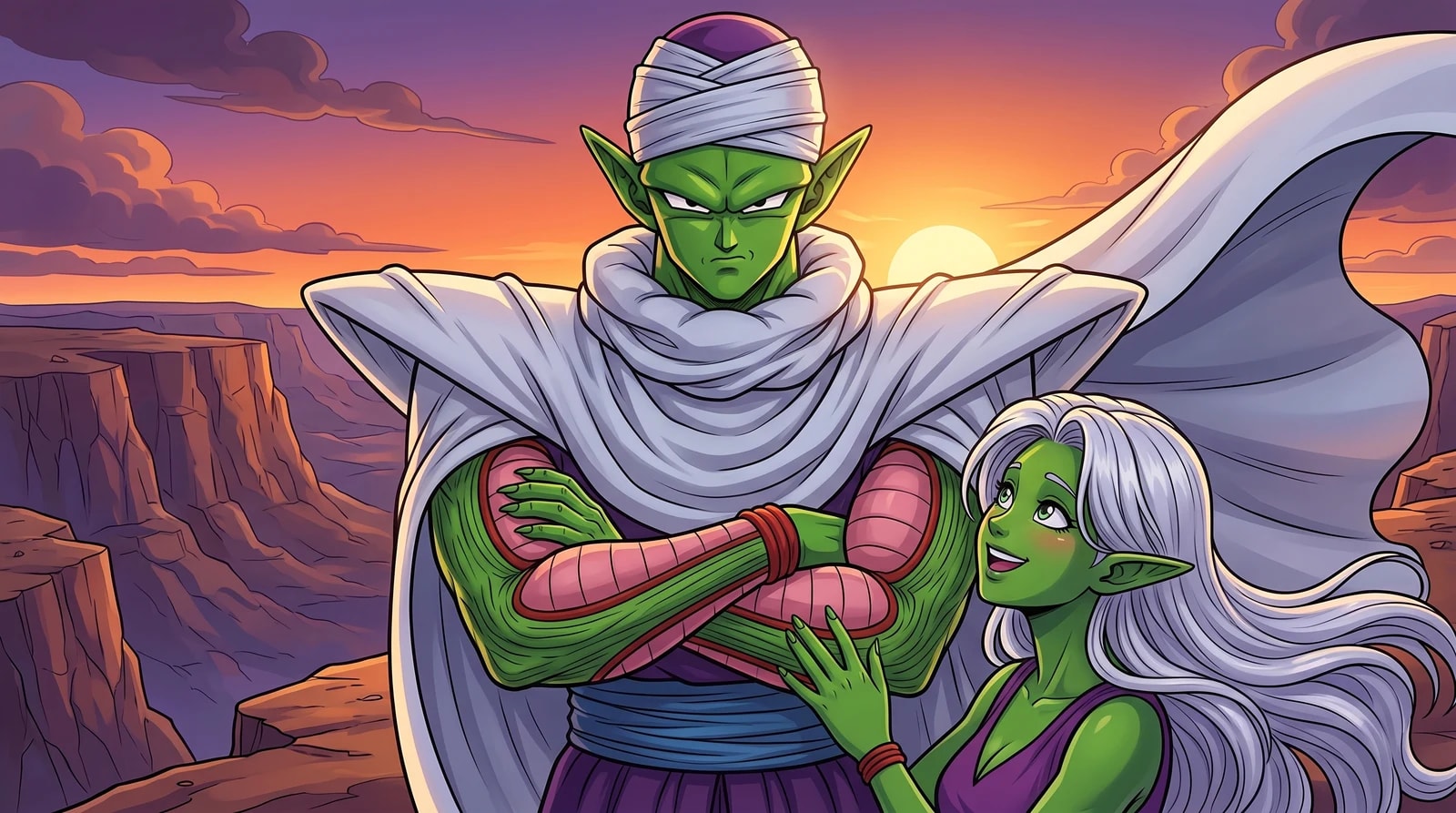
Piccolo Gets the Namek Hoes: Namek Has No Women, and He Pulls Anyway
There are no women on Namek. That isn't an oversight, it's the biology. Why we handed Piccolo the one thing his own species rules out, and why it had to be trap soul....

Frequently Asked Questions
What is the ghoul rating system in Tokyo Ghoul?
The rating system is the label the Commission of Counter Ghoul attaches to a ghoul to convey its estimated power and how much of a menace it represents. It replaced an older system built on degrees.
What are the rating tiers used by the CCG?
The CCG's rating scale runs from SSS at the top down through SS, S+, S-, A, B, and C at the bottom. A tilde beside a grade signals the figure is a floor rather than a fixed value, meaning it could be revised upward.
What factors determine a ghoul's rating?
A ghoul's rating is determined by its raw strength, how active it is, its sway over other ghouls, how aggressively it targets investigators, and the real harm it has caused through feeding and killing incidents.
Which ghouls have reached the SSS rating?
Only a handful of ghouls have reached the SSS rating, including Eto Yoshimura as the One-Eyed Owl, Yoshimura as the Non-Killing Owl, and Roma Hoito.
What does a tilde next to a ghoul's rating mean?
A tilde beside a rating means the figure is a minimum rather than a fixed value, indicating the ghoul is judged to be at least that dangerous and could be reassessed higher once more is learned about it.
Sources & Information
Looking for more on Rating? The Dragon Ball Wiki on Fandom has a dedicated page with community notes.
View on FandomThis content is original writing by Daddy Jim Headquarters based on the Dragon Ball anime series, manga, and official materials. Episode and chapter references are cited where applicable.
Character and scene imagery on this site is original artwork by Daddy Jim Headquarters, not screenshots or licensed imagery. Official cover art is used on three types of pages for editorial commentary:
- Movie pages: theatrical posters and key visuals, credited to Toei Animation and Shueisha.
- Game pages: official box art, credited to Bandai Namco, Atari, and other publishers.
- Manga chapter pages: Jump Comics volume covers, credited to Shueisha and Akira Toriyama.
Official resources:
Help Us Keep This Wiki Accurate
Daddy Jim Headquarters maintains this encyclopedia. If you spot an error, a translation issue, or something that doesn't look right, let us know.