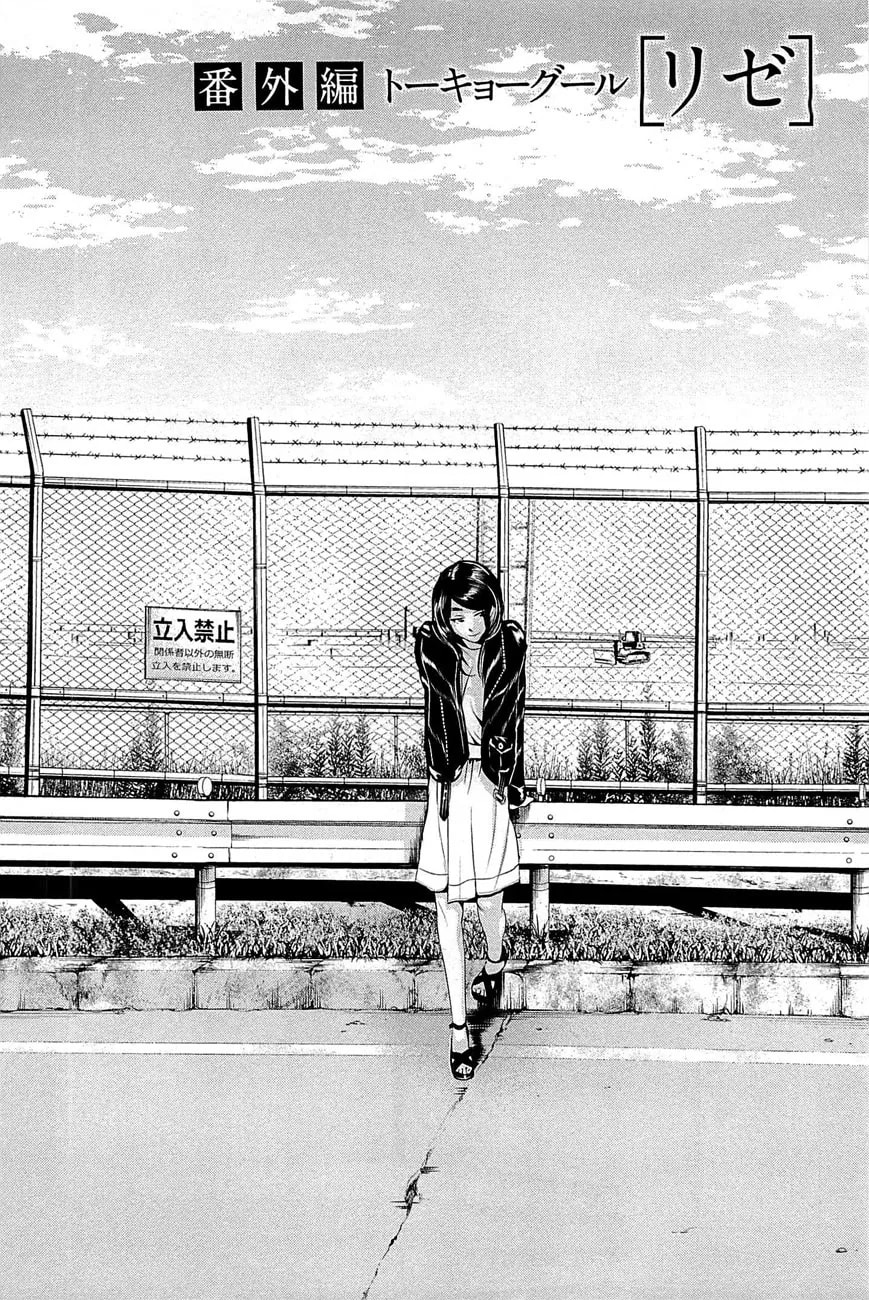
The series' first side story, "Rize," peels back the history of Rize Kamishiro in the months before her fateful meeting with Ken Kaneki, sketching a charming and ravenous ghoul whose appetite makes her a menace wherever she settles.
Summary
Rize presents herself as a woman who passes for human yet feeds on them, and whose relentless gluttony has made her a nuisance since drifting into the 20th Ward. Half a year before her supposed death, boredom had pushed her out of the 11th Ward. A flashback shows her on a rooftop coldly finishing off a lover, one of several killings that soon reach the press. She reads novels, mingles smoothly with those around her, and shrugs off her landlady's warning about a neighbor named Hayashi complaining of the stench seeping from her apartment.
Key Events
Rize belongs loosely to a ghoul group run by Hagi in the 11th Ward, who blame her binging for nearly eleven deaths that have crippled everyone's hunting. Reminded of the group's rules about paying her dues, pausing her feeding, hiding all evidence, and respecting the territory of others, she treats every one of them as tiresome. Banjou, fond of her, floats the idea of her leading the ward, which she brushes off before threatening to kill him should he ever trail after her. Cornered at last by Hagi and the rest as she packs to leave, she cuts them down with a single sweep of her kagune.
Notes
Telling Banjou she means to chase an enjoyable life no matter how many lives it costs, Rize sets off for the cafe of human-friendly ghouls she has heard about. There she meets Yoshimura, who reminds her that a hunting ground belongs to its rightful owner, and she lightly promises to return it, admitting the ward and its people suited her taste. Strolling away afterward, she catches sight of a nervous young man about her own age, and sensing her advantage over the flustered boy who will grow into Kaneki, she smiles to herself.
Related Reading
See all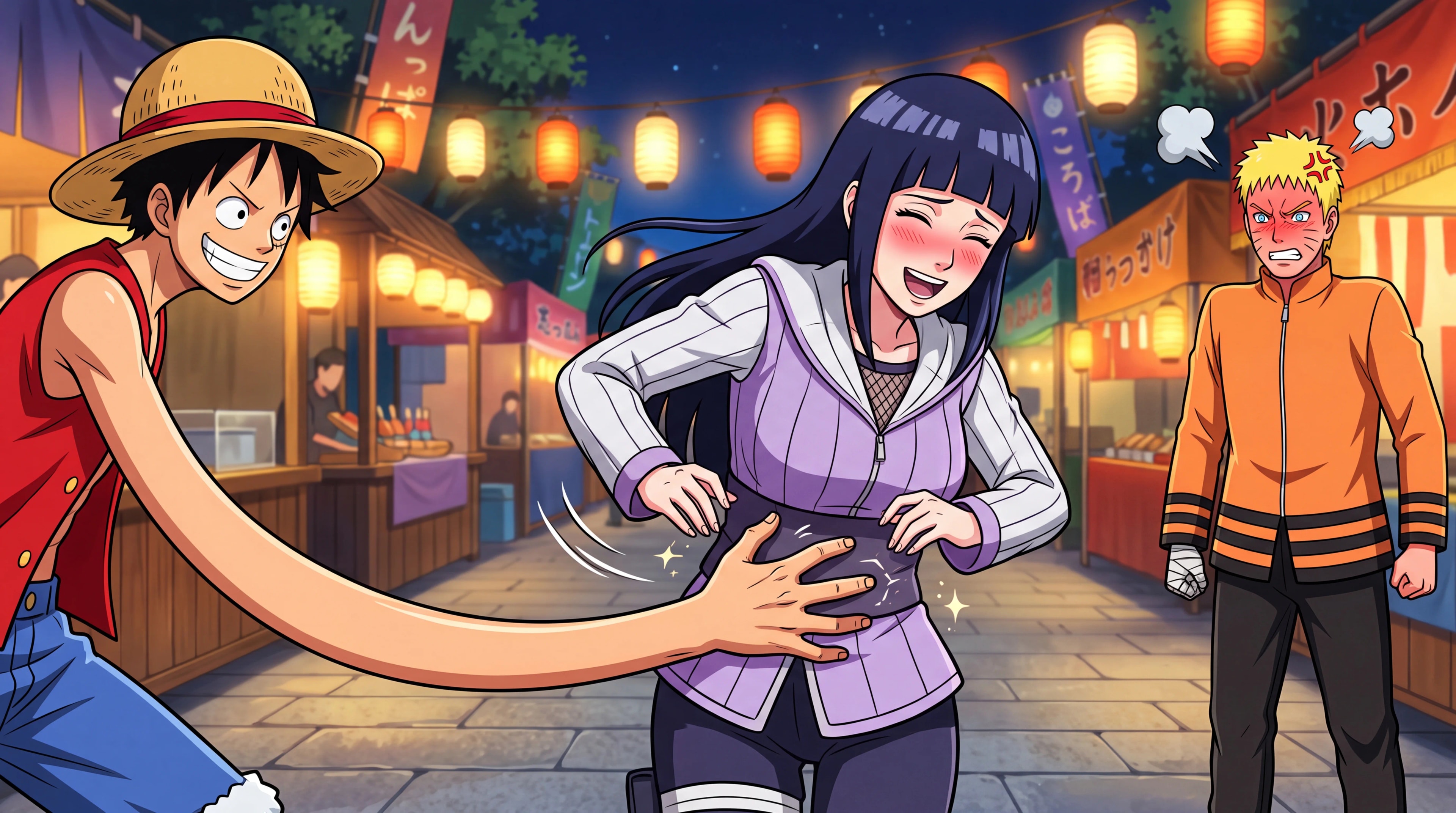
Naruto vs Luffy: Does the Fight Change if Luffy Tickles Hinata?
Naruto vs Luffy with the twist nobody asked for: Luffy tickled Hinata on date night, and she kind of liked it. We break down the whole fight and commit to a winner....
Piccolo Gets the Namek Hoes: Namek Has No Women, and He Pulls Anyway
There are no women on Namek. That isn't an oversight, it's the biology. Why we handed Piccolo the one thing his own species rules out, and why it had to be trap soul....
Frequently Asked Questions
Did Rize actually love Kaneki?
Side Story: Rize does not show Rize Kamishiro in love with Ken Kaneki. The chapter ends with her spotting a nervous young man she will go on to target, sensing an advantage over him rather than any affection.
Why was Rize so special in Tokyo Ghoul?
In Side Story: Rize, Rize Kamishiro stands out among ghouls for her voracious, undisciplined appetite, causing nearly eleven deaths in the 11th Ward alone within months, a level of gluttony that makes her both feared and resented by other ghouls.
What is Side Story: Rize about?
Side Story: Rize is the first side story of the Tokyo Ghoul manga, following Rize Kamishiro in the months before her death as she drifts through the 11th and 20th Wards feeding on victims and clashing with other ghouls over her uncontrolled appetite.
Why do the ghouls in the 11th Ward turn against Rize?
In Side Story: Rize, the ghouls of the 11th Ward, led by Hagi, turn against Rize Kamishiro because her constant binge eating causes nearly eleven deaths that draw dangerous attention and cripple everyone's ability to hunt safely.
How does Rize escape the ghouls who confront her?
In Side Story: Rize, when Hagi and the rest of the group corner her as she packs to leave, Rize Kamishiro cuts them all down with a single sweep of her kagune before continuing on her way.
Sources & Information
Looking for more on Side Story: Rize? The Dragon Ball Wiki on Fandom has a dedicated page with community notes.
View on FandomThis content is original writing by Daddy Jim Headquarters based on the Dragon Ball anime series, manga, and official materials. Episode and chapter references are cited where applicable.
Character and scene imagery on this site is original artwork by Daddy Jim Headquarters, not screenshots or licensed imagery. Official cover art is used on three types of pages for editorial commentary:
- Movie pages: theatrical posters and key visuals, credited to Toei Animation and Shueisha.
- Game pages: official box art, credited to Bandai Namco, Atari, and other publishers.
- Manga chapter pages: Jump Comics volume covers, credited to Shueisha and Akira Toriyama.
Official resources:
Help Us Keep This Wiki Accurate
Daddy Jim Headquarters maintains this encyclopedia. If you spot an error, a translation issue, or something that doesn't look right, let us know.