Humans
CharacterHumans are the dominant and most numerous species on Earth in the world of One-Punch Man, sapient beings whose greatest strengths are sheer numbers, technology, and intellect. They are also the stock from which both heroes and, through monstrous transformation, many Mysterious Beings arise.
Appearance
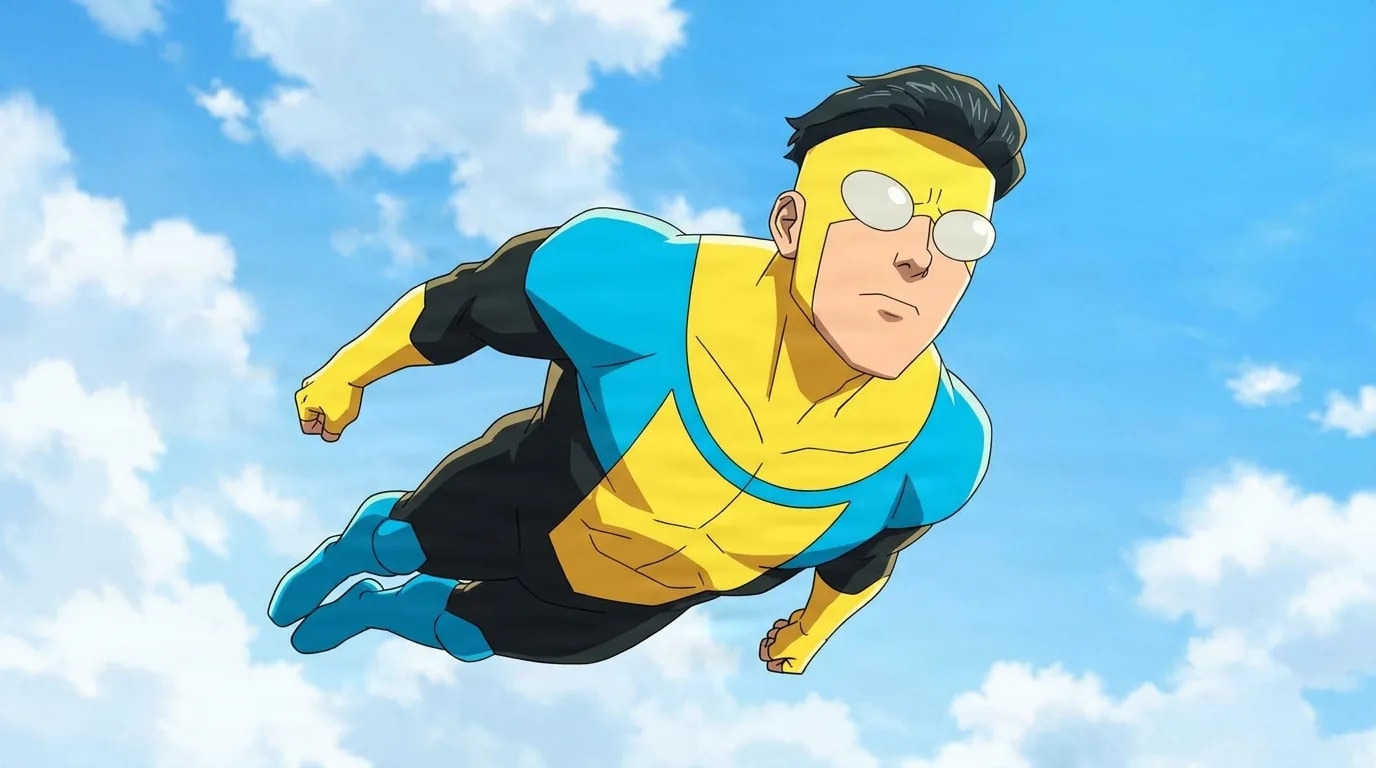
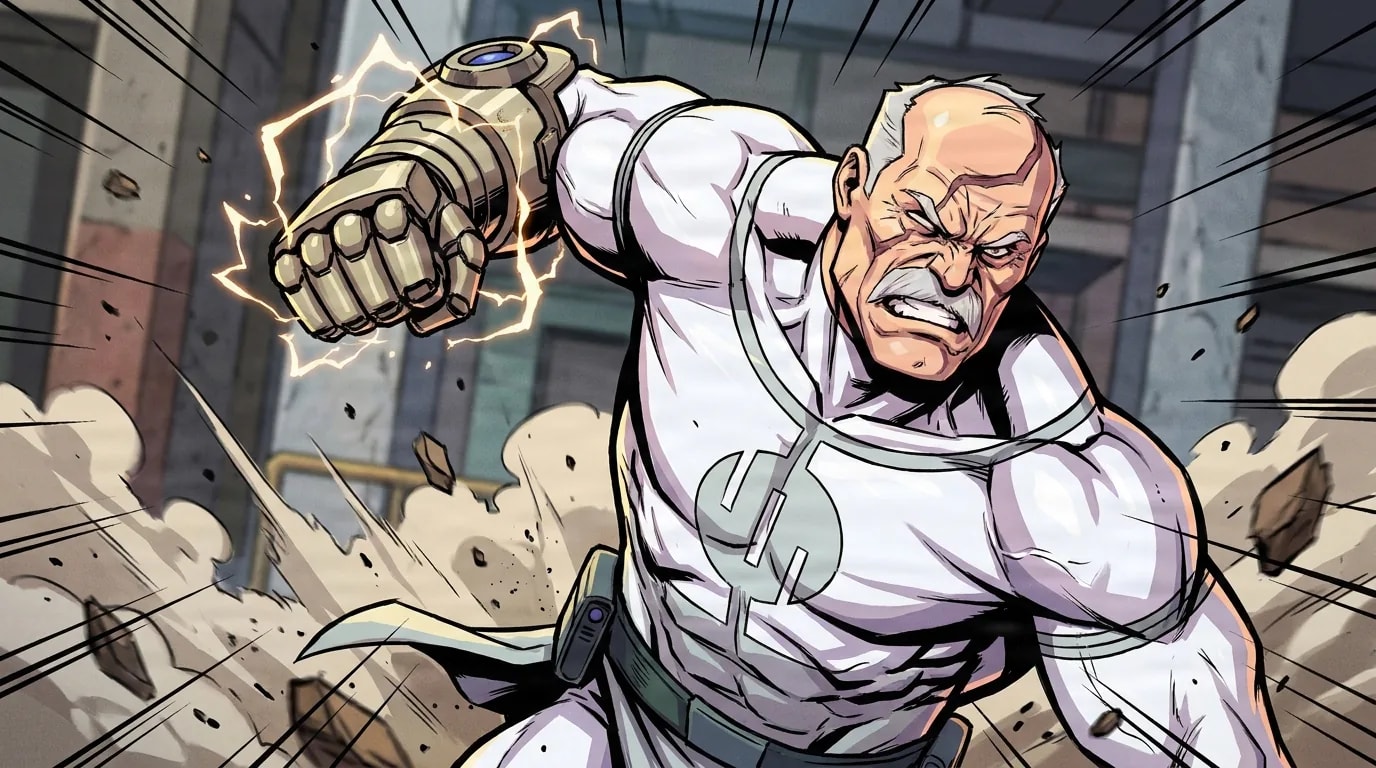
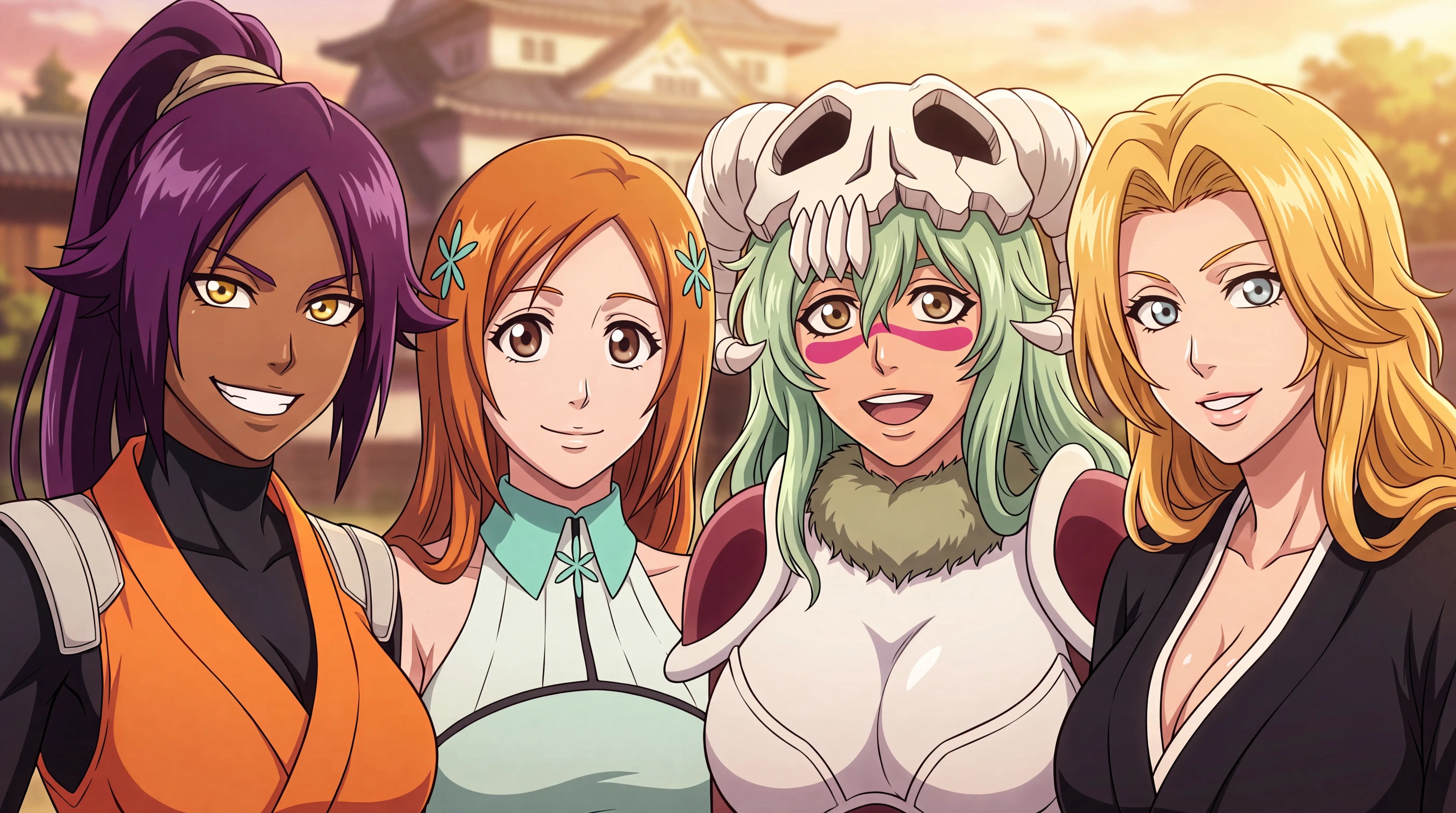
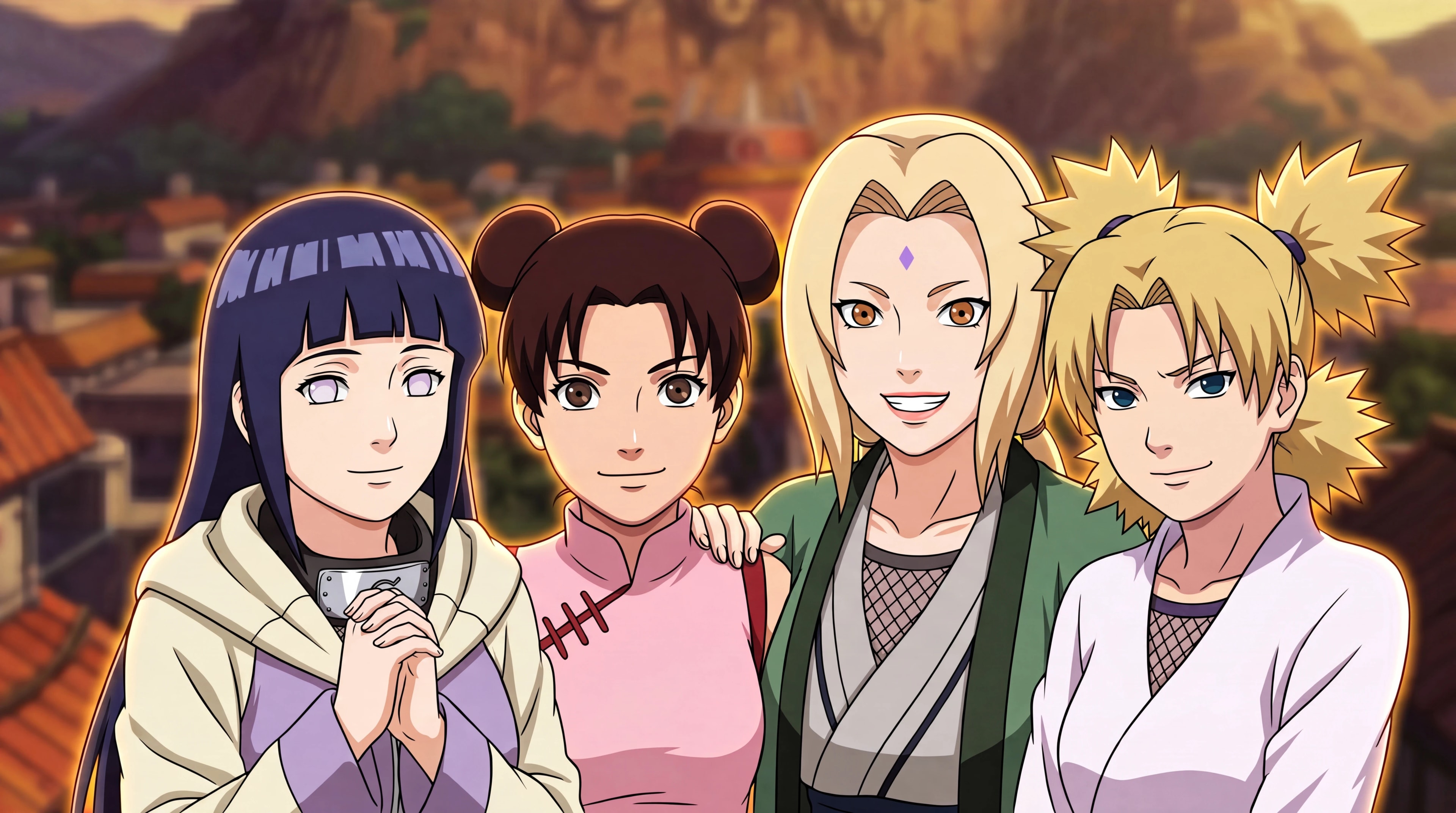
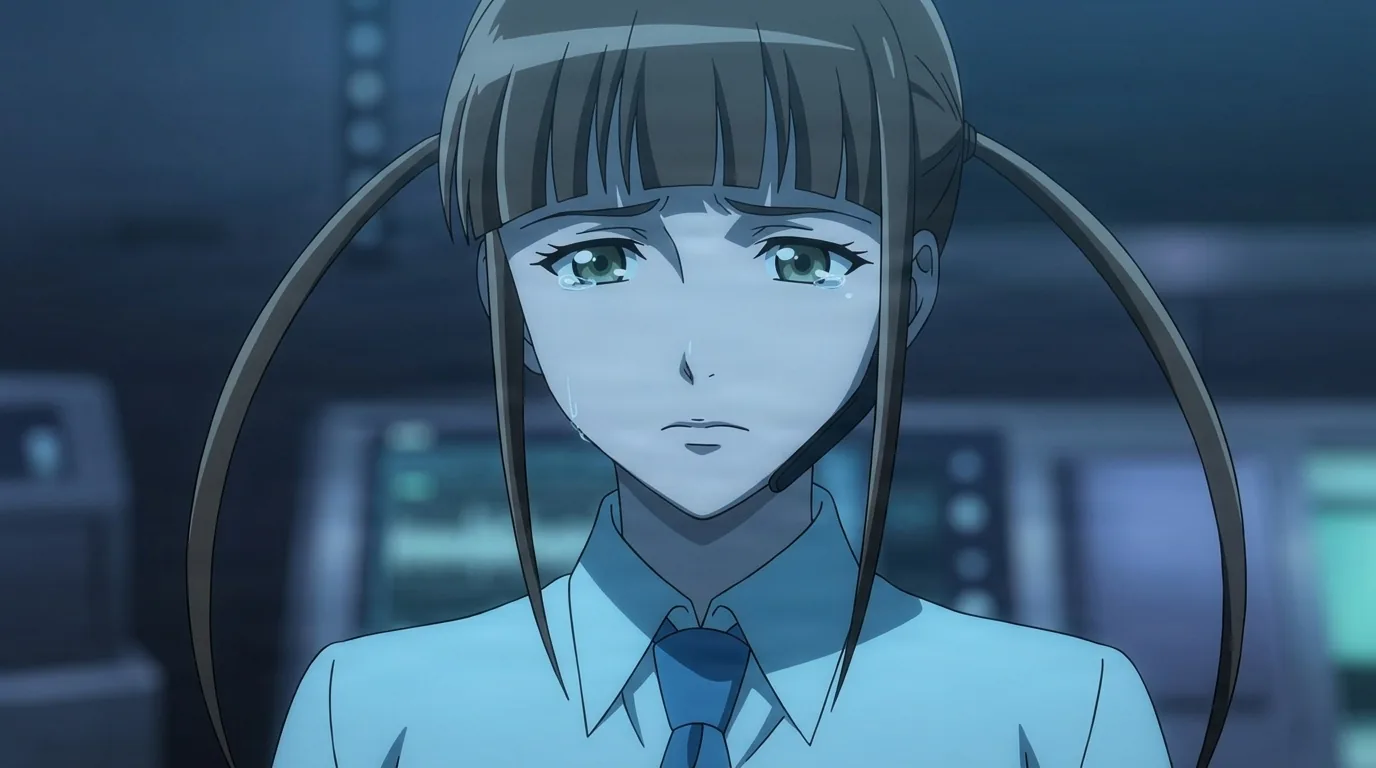
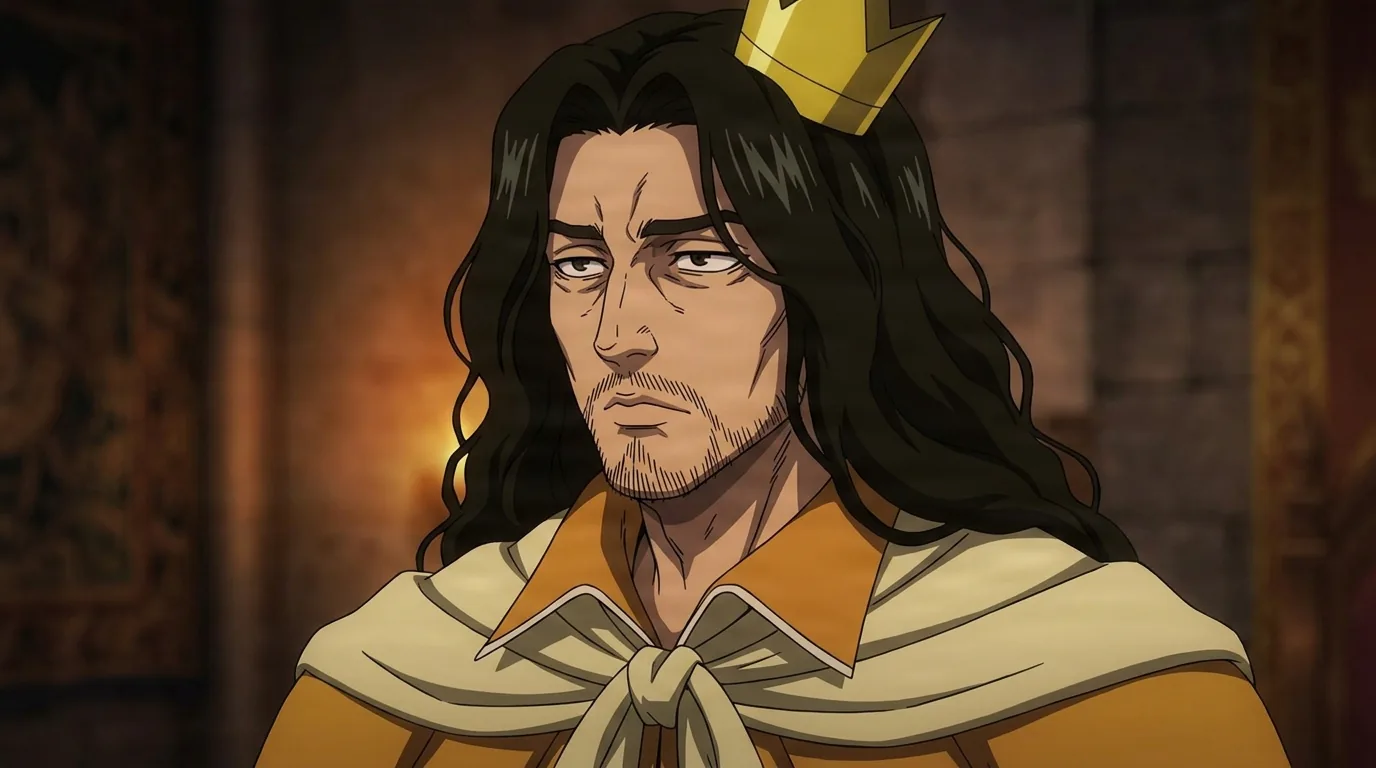
There is no single human template. Build and proportion shift with age and ancestry, skin runs the full range from deep brown to pale, and facial features differ from person to person according to heritage and genetics.

Personality
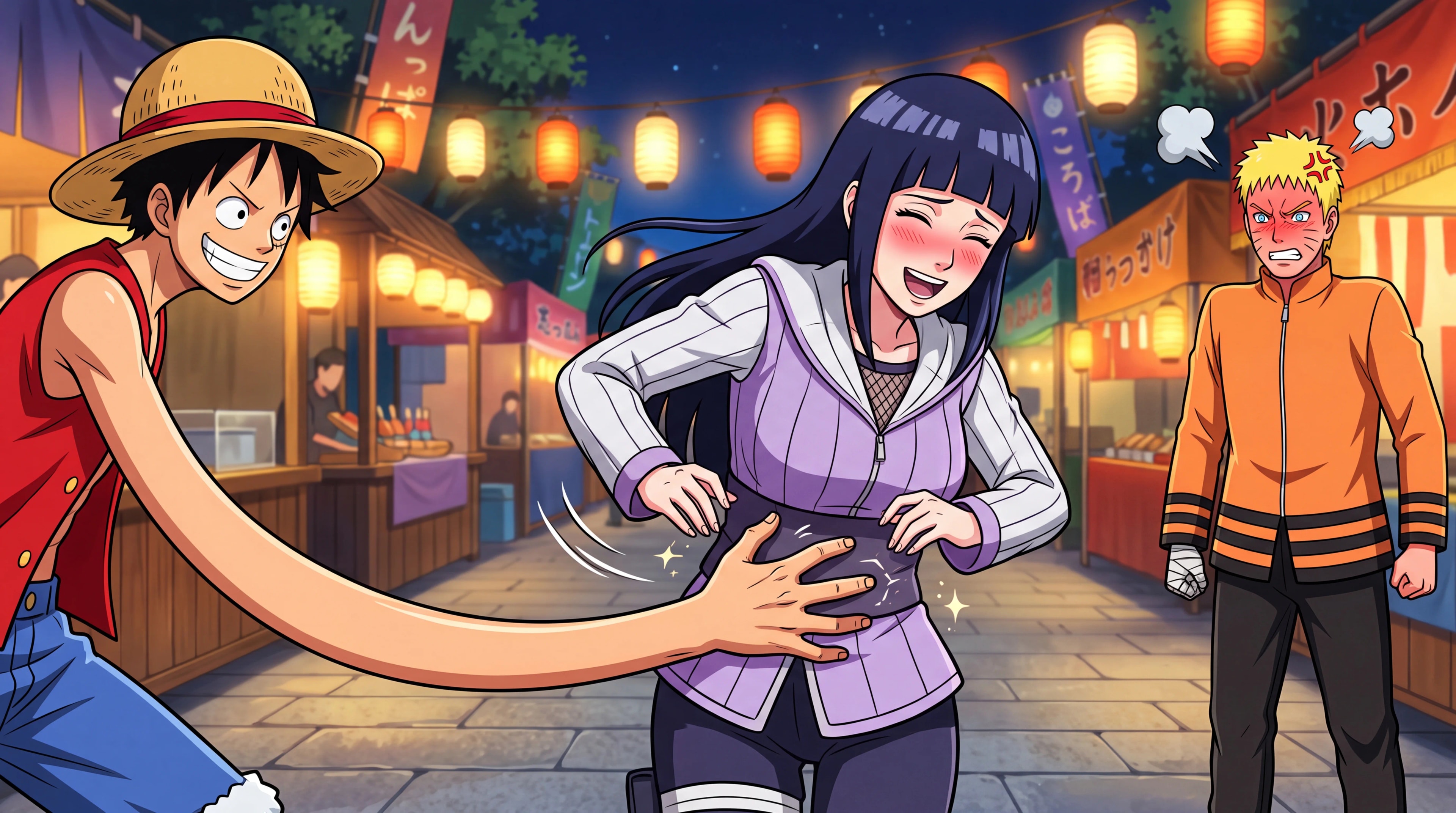
A recurring joke across the series is how stubbornly ordinary people refuse to accept Saitama's power even after watching it firsthand, waving off his one-punch victories as flukes, fraud, or the monster somehow self-destructing. Crowds tend to weigh a hero's fame and looks over any true measure of strength, and only a sharp-eyed few, the likes of Bang, Sonic, Fubuki, King, and Suiryu, can read genuine ability at a glance. The public can be fickle and ungrateful, blaming rescuers for collateral damage or sneering at low-ranked and eccentric heroes even after being saved. Yet the same crowds also cheer their protectors, take heart when even a humble figure like Mumen Rider turns up, and cry out for an ambulance the moment a hero is hurt.
History
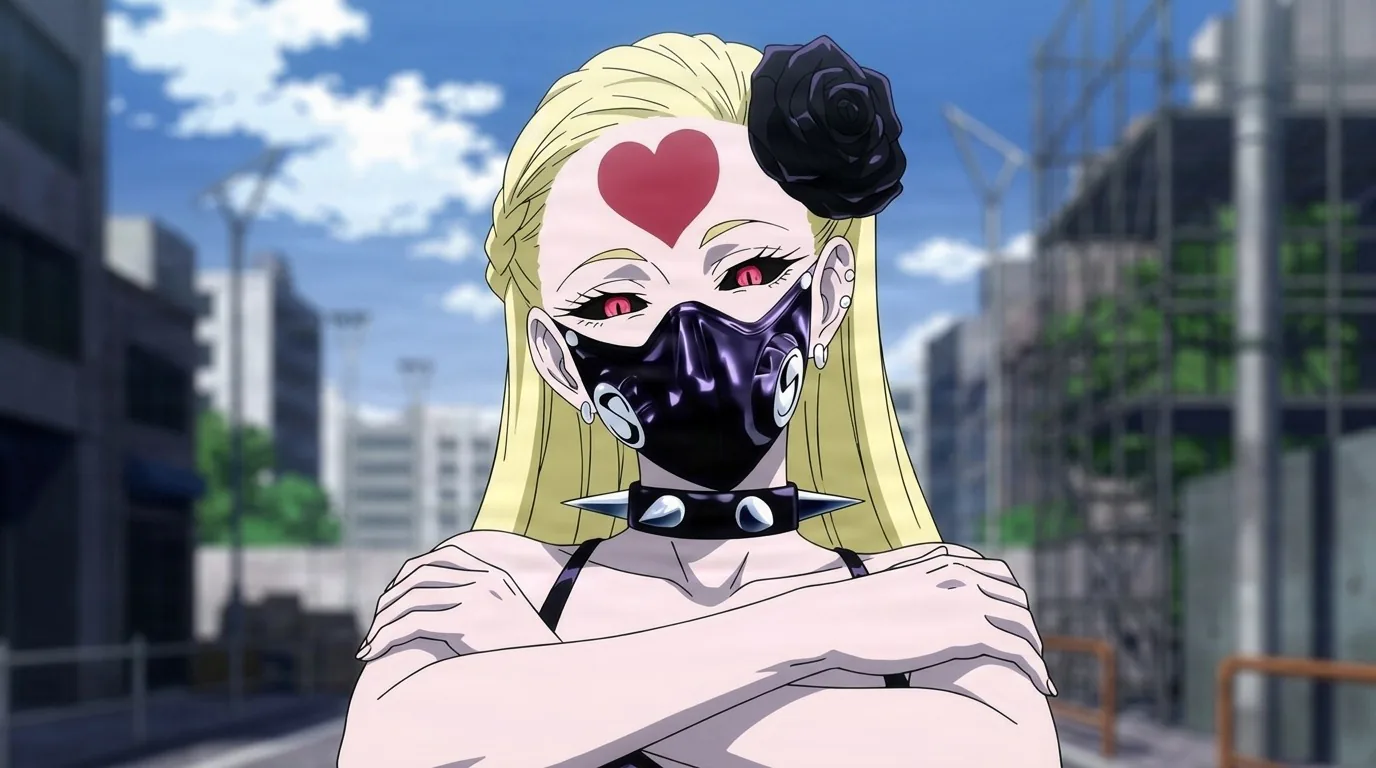
Long ago the planet held many separate nations that waged endless wars over land and resources, grinding down the population until the survivors merged into a single world government under one shared language, a period later remembered as the first great era of change. The scars of that age lingered as pollution, sudden climate upheaval, and rising seas, which bred a host of dangerous new lifeforms and drove people toward the heart of the supercontinent to rebuild, the second era of change. By Sweet Mask's reckoning the world now sits in a third such era, defined by ever more intelligent Mysterious Beings.
Those beings first struck roughly fifteen years earlier and were manageable at the outset, but as they outgrew the reach of ordinary weapons, Agoni founded the Hero Association to stand against them. Humanity's defense rests on its numbers, its advanced technology, and its intellect. A portion of people gain superhuman power through training, raw talent, or experimentation, while others are born with gifts such as psychokinesis or plant manipulation, and many turn those abilities to hero work. Humans can also cross the line into monsterhood, whether through a consuming desire to become something else or by ingesting monster cells.
Frequently Asked Questions
What is the role of humans in the world of One Punch Man?
Humans are the dominant and most numerous species on Earth in One Punch Man, relying on sheer numbers, technology, and intellect to survive alongside heroes and monsters.
How do ordinary people react to Saitama's power?
A running joke in the series is that ordinary humans refuse to accept Saitama's power even after seeing it firsthand, dismissing his one-punch victories as flukes, fraud, or the monster somehow self-destructing.
Which characters can actually recognize genuine strength in One Punch Man?
Among humans, only a sharp-eyed few such as Bang, Sonic, Fubuki, King, and Suiryu can accurately judge a hero's true strength at a glance, while most crowds go by fame and looks instead.
Why was the Hero Association founded?
The Hero Association was founded by Agoni roughly fifteen years before the story begins, after Mysterious Beings began appearing and grew beyond what ordinary human weapons could handle.
Can humans turn into monsters in One Punch Man?
Yes, humans can cross into monsterhood in One Punch Man, either through an overwhelming desire to become something else or by ingesting monster cells.
Sources & Information
Looking for more on Humans? The One-Punch Man Wiki on Fandom has a dedicated page with community notes.
View on FandomThis content is original writing by Daddy Jim Anime based on the One-Punch Man anime series, manga, and official materials. One-Punch Man was created by ONE and Yusuke Murata, published by Shueisha, and animated by J.C.Staff and Madhouse. All rights to One-Punch Man and its characters belong to their respective owners. Episode and chapter references are cited where applicable.
Rights holders
- Created byONE and Yusuke Murata
- Published byShueisha
- Animated byJ.C.Staff
- Animated byMadhouse
All rights belong to their respective owners.
Character and scene imagery on this site is original artwork by Daddy Jim Anime, not screenshots or licensed imagery. Official cover art is used on three types of pages for editorial commentary:
- Movie pages: theatrical posters and key visuals, credited to J.C.Staff, Madhouse and Shueisha.
- Game pages: official box art, credited to the game's respective publishers.
- Manga chapter pages: volume covers, credited to Shueisha and ONE and Yusuke Murata.
- Licensed imagery: Photographs of real people, including creators, voice actors and production staff, are used under licence from the rights holder or the applicable stock provider, or under the terms of a public licence permitting editorial use. Each such image is reproduced in its licensed form and remains the property of its owner.
- Exceptions: Limited exceptions to the practices described above may apply to individual entries. Where an exception applies, it is noted on the entry itself alongside the applicable attribution. Rights holders may contact us regarding any attribution and it will be reviewed promptly.
Official resources:
Help Us Keep This Wiki Accurate
Daddy Jim Anime maintains this encyclopedia. If you spot an error, a translation issue, or something that doesn't look right, let us know.