Saigo no Getsuga Tenshō
CharacterSaigo no Getsuga Tenshō, the Final Getsuga Tenshō, is the ultimate expression of Ichigo Kurosaki's Bankai. Invoking it fuses him bodily with his sword until he becomes the moon fang itself, granting overwhelming power at a steep price: the total, permanent loss of his Shinigami abilities.
Overview
Reachable only through his Bankai, Tensa Zangetsu, this technique lets Ichigo Kurosaki merge completely with his blade and embody the Getsuga. The word Final marks the catch, since drawing on it strips away every last trace of his Shinigami power once the transformation ends.

Mechanics
As the change takes hold, Ichigo's hair darkens and lengthens to his waist while a grey, bandage-like shell wraps his midsection, right arm, throat, and lower face. Dark flame patterns crawl over his chest and coil down his left arm, a ragged black cloak hangs at his hips, and inky Reiatsu pours off him, pooling around his right arm as his eyes redden.
The form exists to deliver a single strike, Mugetsu: he forges a sword of pitch-black spirit energy and swings it, raising a towering curtain of darkness that blots out the sky and crushes whatever it swallows, enough to wound even Sōsuke Aizen at his strongest and drive him back to an earlier stage. When it is spent, the transformation fades, agony floods in, and Ichigo blacks out; he surfaces roughly a month later, drained of his powers, only beginning to reclaim a sliver of them after a year and a half.
Related Reading
See all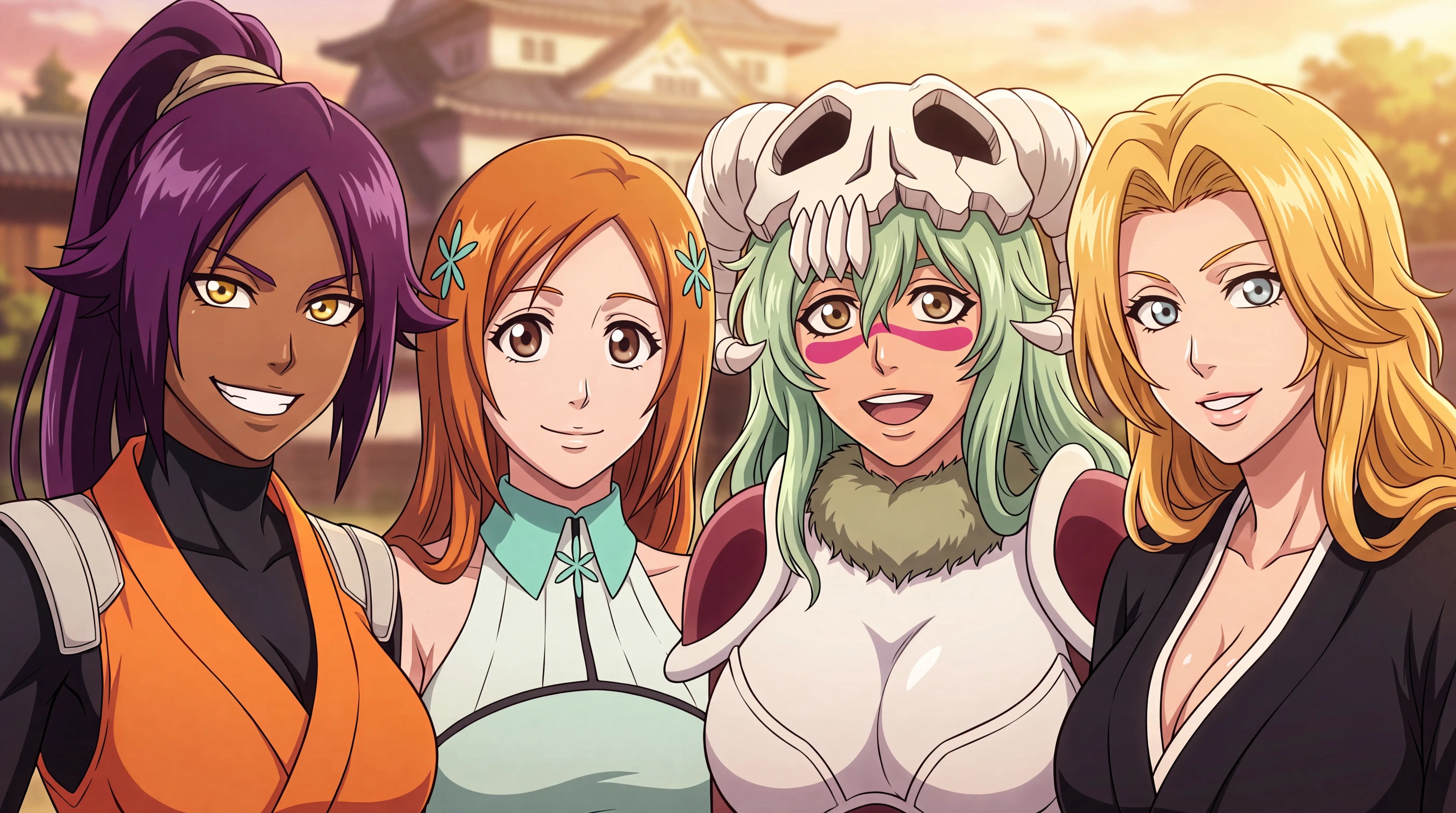
The Bleach Female Characters Nobody Can Agree On, Settled
Five Bleach female characters, ranked and settled. Yoruichi sits at number five, the spot nobody expects, and our number one is an Arrancar with a soft heart....
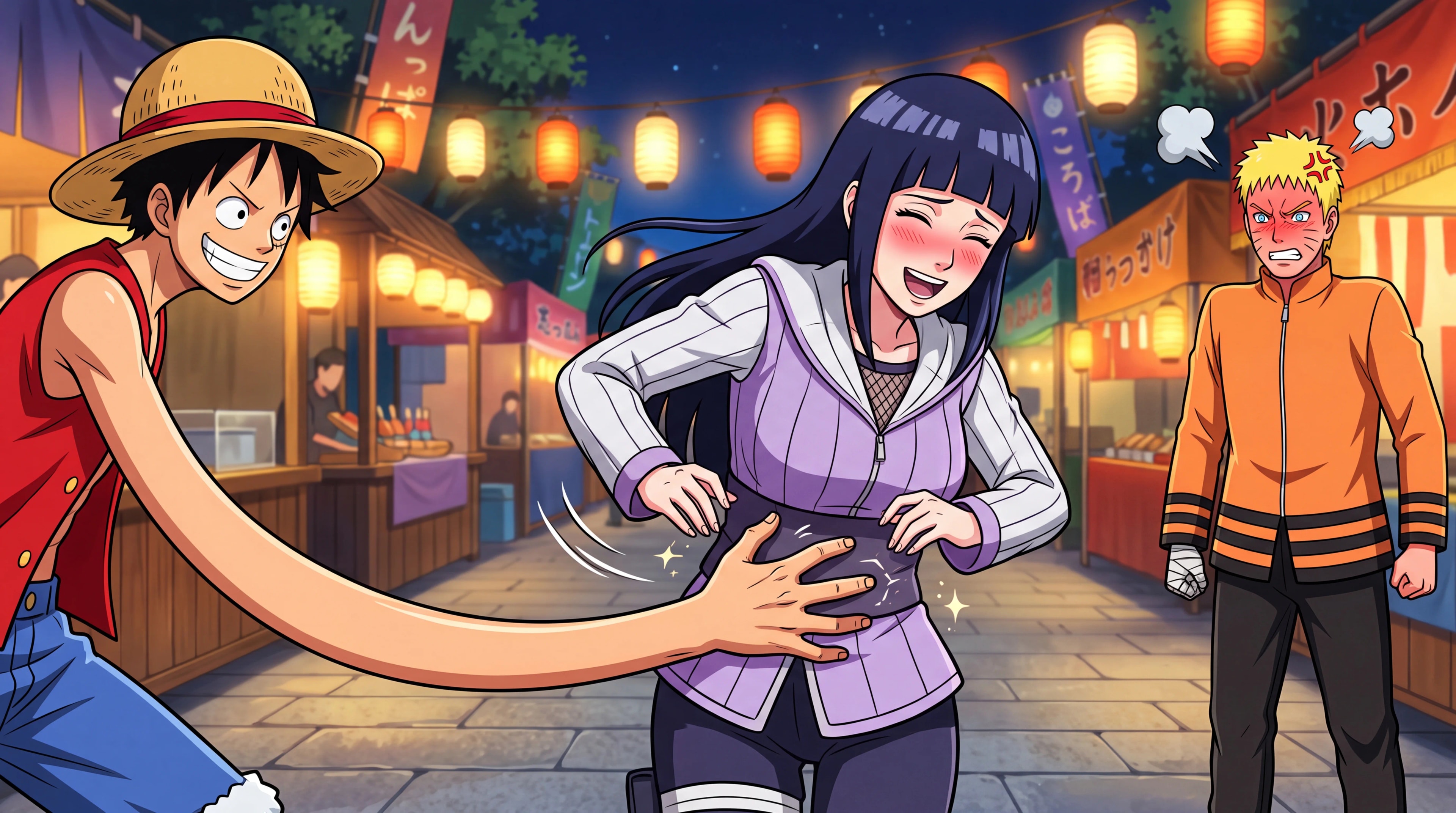
Naruto vs Luffy: Does the Fight Change if Luffy Tickles Hinata?
Naruto vs Luffy with the twist nobody asked for: Luffy tickled Hinata on date night, and she kind of liked it. We break down the whole fight and commit to a winner....
Notable Users
Ichigo Kurosaki is the sole wielder, resorting to the technique in his final duel with Aizen. In Ryōgo Narita's novel Spirits Are Forever With You, the Arrancar Roka Paramia copies his data and manages Mugetsu once, but the strain shatters her body, forcing her to knit herself back together with her threads.
Frequently Asked Questions
Is Ichigo Kurosaki the only one who can use the Final Getsuga Tensho?
Ichigo Kurosaki is the sole true wielder of Saigo no Getsuga Tensho, resorting to it only in his final duel with Sosuke Aizen. In Ryogo Narita's novel Spirits Are Forever With You, the Arrancar Roka Paramia copies his data and manages the technique's finishing blow, Mugetsu, once, though the strain shatters her body.
What is the significance of the Final Getsuga Tensho in Bleach?
The Final Getsuga Tensho is Ichigo Kurosaki's most powerful technique, fusing him bodily with his Zanpakuto, Tensa Zangetsu, to unleash Mugetsu, a strike powerful enough to wound Sosuke Aizen at his strongest. Its significance lies in its steep price: using it permanently strips Ichigo of all his Shinigami powers.
How does Ichigo access the Final Getsuga Tensho?
Ichigo Kurosaki can only reach Saigo no Getsuga Tensho through his Bankai, Tensa Zangetsu, merging completely with his blade to embody the Getsuga itself.
What happens to Ichigo's appearance during the Final Getsuga Tensho?
During the transformation, Ichigo's hair darkens and lengthens to his waist, a grey bandage-like shell wraps his midsection, right arm, throat, and lower face, dark flame patterns crawl across his chest and left arm, and his eyes turn red.
What is Mugetsu in Bleach?
Mugetsu is the single devastating strike delivered during the Final Getsuga Tensho, in which Ichigo forges a sword of pitch-black spirit energy and swings it to raise a towering curtain of darkness that crushes whatever it swallows. Using it costs Ichigo his Shinigami powers, and he remains unconscious for roughly a month afterward.
Sources & Information
Looking for more on Saigo no Getsuga Tenshō? The Bleach Wiki on Fandom has a dedicated page with community notes.
View on FandomThis content is original writing by Daddy Jim Headquarters based on the Bleach anime series, manga, and official materials. Episode and chapter references are cited where applicable.
Rights holders
- Created byTite Kubo
- Published byShueisha
- Animated byStudio Pierrot
All rights belong to their respective owners.
Character and scene imagery on this site is original artwork by Daddy Jim Headquarters, not screenshots or licensed imagery. Official cover art is used on three types of pages for editorial commentary:
- Movie pages: theatrical posters and key visuals, credited to Studio Pierrot and the production committee.
- Game pages: official box art for the Bleach console and mobile games, credited to Bandai Namco and other publishers.
- Manga chapter pages: Jump Comics volume covers, credited to Shueisha and Tite Kubo.
Official resources:
Help Us Keep This Wiki Accurate
Daddy Jim Headquarters maintains this encyclopedia. If you spot an error, a translation issue, or something that doesn't look right, let us know.