Anime
EpisodeThis page treats the Bleach anime overall, Studio Pierrot's screen version of Tite Kubo's manga. It covers the initial 366-episode broadcast, four feature films, a pair of OVAs, and the eventual Thousand-Year Blood War continuation that revived the story years later.
Main Characters (1)
Summary
Studio Pierrot handled production of the Bleach television series, with Noriyuki Abe directing, Shirō Sagisu arranging the score, and Masashi Kudo designing the characters. The show first aired in Japan on TV Tokyo beginning October 5, 2004, and its opening incarnation wrapped on March 27, 2012 after a run of 366 episodes. For the most part the adaptation follows the source manga faithfully, but at several points it veers off into original storylines.
Since the weekly broadcast pace kept overtaking the still-running manga, whole original arcs were invented to keep from colliding with chapters not yet in print. Fans usually label these the filler episodes, and they include the Bount, New Captain Shūsuke Amagai, Zanpakutō Unknown Tales, Beast Swords, and Gotei 13 Invading Army arcs, none of them from Kubo's pen. A typical episode adapts somewhere between two and four manga chapters, and most close on a brief omake, most often the Shinigami Illustrated Picture Book.
Outside the core show, the property spawned four theatrical movies and two OVAs. Following a lengthy pause, word came in 2020 that the manga's closing arc would at last be animated, and Bleach: Thousand-Year Blood War arrived on October 11, 2022, directed and scripted by Tomohisa Taguchi, once more at Studio Pierrot with Sagisu back on music.

Key Events
Running from October 5, 2004 to March 27, 2012, the first anime reached 366 installments. The earliest 167 episodes were produced in a 4:3 frame, while everything from 168 onward switched to 16:9 widescreen. Crunchyroll simulcast the later episodes, and the English dub found a home on Adult Swim. Word of the Thousand-Year Blood War revival came in 2020, and that continuation premiered on October 11, 2022.
Related Reading
See all
The Bleach Female Characters Nobody Can Agree On, Settled
Five Bleach female characters, ranked and settled. Yoruichi sits at number five, the spot nobody expects, and our number one is an Arrancar with a soft heart....
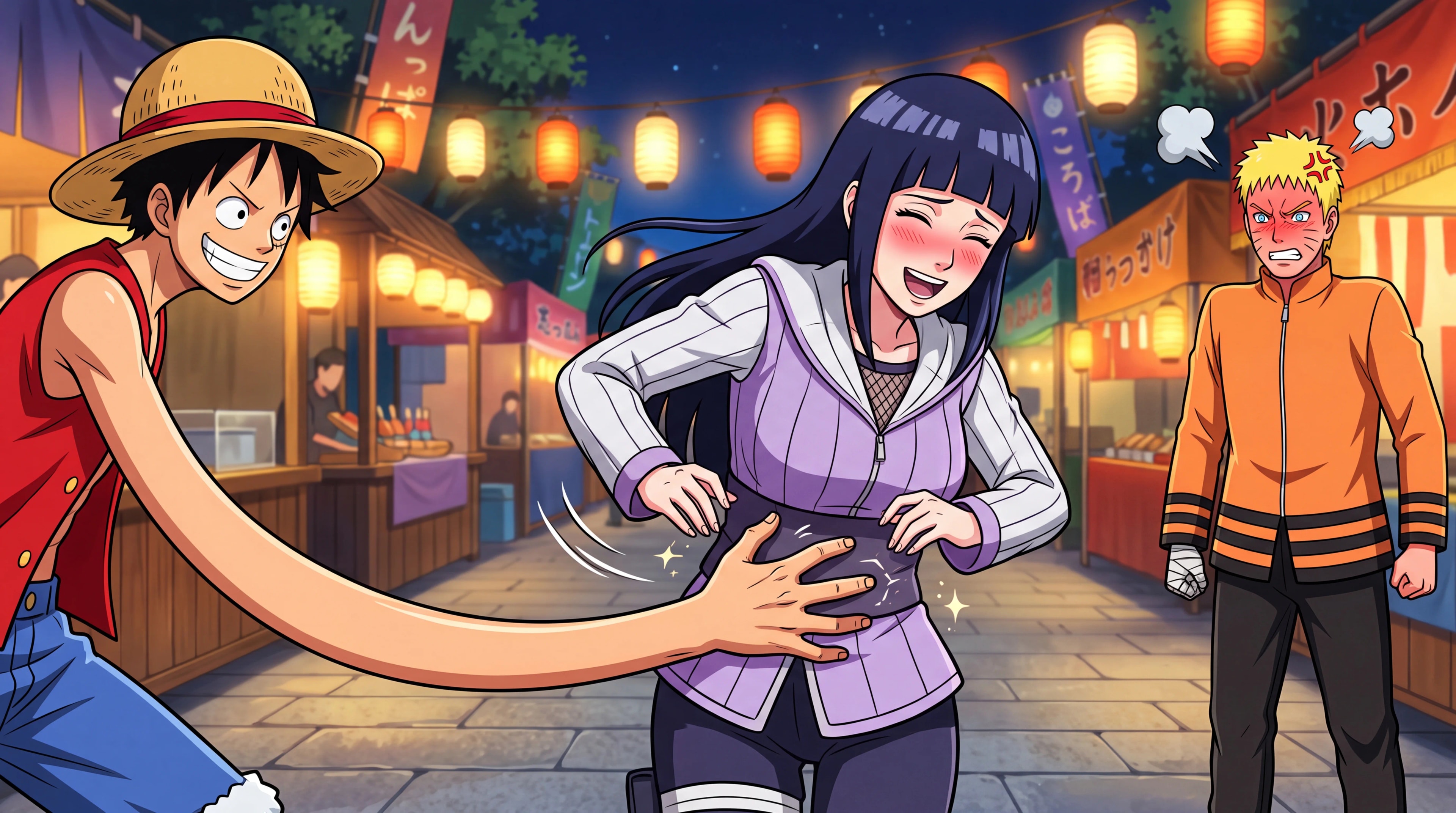
Naruto vs Luffy: Does the Fight Change if Luffy Tickles Hinata?
Naruto vs Luffy with the twist nobody asked for: Luffy tickled Hinata on date night, and she kind of liked it. We break down the whole fight and commit to a winner....
Notes
Viewers can stream the series across Hulu, Disney+, Apple TV, and Prime Video, though Hulu's cut of the original run drops the end-of-episode omakes. Masashi Sogo served as head writer over a rotating staff; the writing rotation also drew in Michiko Yokote, Natsuko Takahashi, Tsuyoshi Kida, Kento Shimoyama, and Masahiro Ōkubo. In the Japanese track Masakazu Morita voices Ichigo Kurosaki, a role Johnny Yong Bosch carries throughout the English dub.
Frequently Asked Questions
Are the 2004 and 2022 Bleach anime the same?
They are part of the same Bleach anime by Studio Pierrot; the original series began in 2004, and Bleach: Thousand-Year Blood War, which premiered October 11, 2022, is the continuation animating the manga's closing arc.
Does Bleach have 1000 episodes?
No, the original Bleach anime ran 366 episodes from October 5, 2004 to March 27, 2012, later joined by the Thousand-Year Blood War continuation.
Who produced the Bleach anime?
Studio Pierrot produced the Bleach anime, with Noriyuki Abe directing, Shirō Sagisu arranging the score, and Masashi Kudo designing the characters, based on Tite Kubo's manga.
What are the Bleach filler arcs?
The anime-original filler arcs include the Bount, New Captain Shūsuke Amagai, Zanpakutō Unknown Tales, Beast Swords, and Gotei 13 Invading Army arcs, none of them from Kubo's manga.
How many Bleach movies and OVAs are there?
Alongside the television series, the Bleach property produced four theatrical films and two OVAs.
Sources & Information
Looking for more on Anime? The Bleach Wiki on Fandom has a dedicated page with community notes.
View on FandomThis content is original writing by Daddy Jim Headquarters based on the Bleach anime series, manga, and official materials. Episode and chapter references are cited where applicable.
Rights holders
- Created byTite Kubo
- Published byShueisha
- Animated byStudio Pierrot
All rights belong to their respective owners.
Character and scene imagery on this site is original artwork by Daddy Jim Headquarters, not screenshots or licensed imagery. Official cover art is used on three types of pages for editorial commentary:
- Movie pages: theatrical posters and key visuals, credited to Studio Pierrot and the production committee.
- Game pages: official box art for the Bleach console and mobile games, credited to Bandai Namco and other publishers.
- Manga chapter pages: Jump Comics volume covers, credited to Shueisha and Tite Kubo.
Official resources:
Help Us Keep This Wiki Accurate
Daddy Jim Headquarters maintains this encyclopedia. If you spot an error, a translation issue, or something that doesn't look right, let us know.