Sōkyoku
ItemThe Sōkyoku is the Gotei 13's instrument of capital punishment, a colossal halberd raised at Sōkyoku Hill to put down Shinigami whose crimes are grave enough to warrant death. Beneath its bladed form sleeps a phoenix of fire whose destructive weight is measured against a million swords.
Overview
Standing dormant, the weapon takes the shape of a huge naginata pinned upright by a bundle of heavy ropes that spear into the ground and lock it in place. To carry out a sentence, the Kidō Corps releases those bindings, sending them snapping loose and hurtling away from the hill. What looks like a mere polearm is in truth a cage: wreathed in fire, the halberd rises toward the condemned and sheds its disguise to reveal Kikōō, a vast, phoenix-like creature of blaze whose name marks it as a firebird sovereign.

Function
Once roused and burning, the entity climbs into the air and levels itself at the prisoner, who is pinned before it by support beams. In this form its combined offense and defense are reckoned equal to a million Zanpakutō, and the moment it drives into its victim that force multiplies tenfold, generating heat fierce enough to burn away the soul itself. In the anime, the Kidō Corps triggers the release through a sequence of hand signs. The device is not indestructible: after Ichigo Kurosaki stunned onlookers by parrying its descent with Zangetsu, an act Suì-Fēng judged flatly impossible, Jūshirō Ukitake and Shunsui Kyōraku shattered it outright using the Shihōin Shield.
Related Reading
See all
The Bleach Female Characters Nobody Can Agree On, Settled
Five Bleach female characters, ranked and settled. Yoruichi sits at number five, the spot nobody expects, and our number one is an Arrancar with a soft heart....
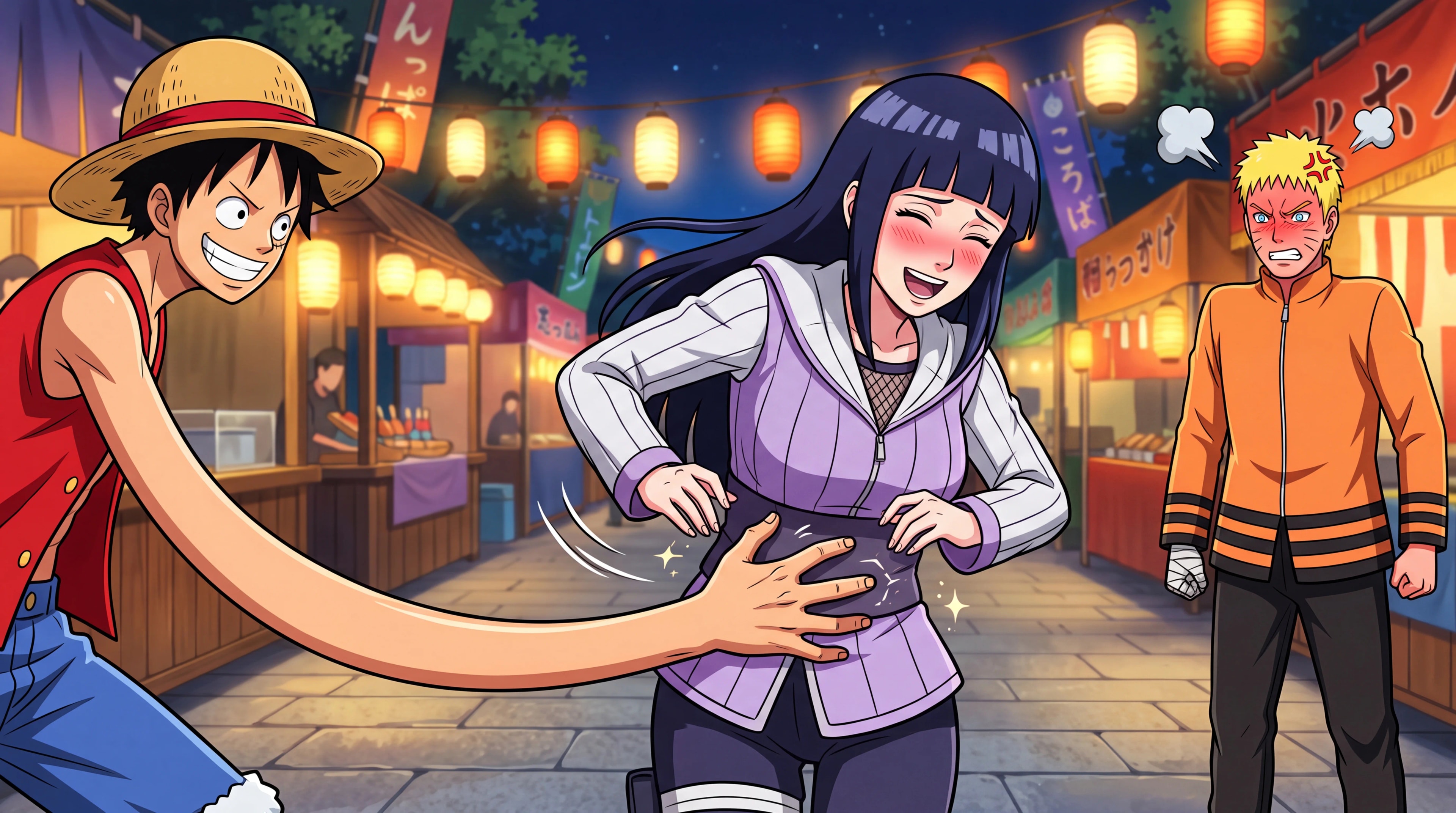
Naruto vs Luffy: Does the Fight Change if Luffy Tickles Hinata?
Naruto vs Luffy with the twist nobody asked for: Luffy tickled Hinata on date night, and she kind of liked it. We break down the whole fight and commit to a winner....
Notable Users
The apparatus belongs to Soul Society and is wielded through the Gotei 13, with the Kidō Corps handling its unsealing. Its most infamous deployment was the scheduled execution of Rukia Kuchiki. Sōsuke Aizen exploited the event through a forged letter to Momo Hinamori, pinning a plot to destroy Soul Society on Tōshirō Hitsugaya, when in reality he wanted the flame's intense heat to vaporize Rukia and extract the Hōgyoku hidden inside her. In the game Bleach: Shattered Blade, the halberd's destruction is said to have broken a seal caging the Arrancar Arturo Plateado and scattered the weapon into shards, each capable of boosting the spiritual power of whoever holds it.
Frequently Asked Questions
What is the Sokyoku in Bleach?
The Sokyoku is the Gotei 13's instrument of capital punishment, a colossal halberd raised at Sokyoku Hill to put down Shinigami whose crimes warrant death. In its dormant state it takes the shape of a huge naginata pinned upright by a bundle of heavy ropes.
What is the Sokyoku's true form?
When roused and wreathed in fire, the Sokyoku sheds its disguise to reveal Kikoo, a vast phoenix-like creature of blaze whose name marks it as a firebird sovereign.
How powerful is the Sokyoku?
In its released form the Sokyoku's combined offense and defense are reckoned equal to a million Zanpakuto, and the moment it drives into its victim that force multiplies tenfold, generating heat fierce enough to burn away the soul itself.
Whose execution was the Sokyoku prepared for?
The Sokyoku's most infamous deployment was the scheduled execution of Rukia Kuchiki, an event Sosuke Aizen exploited because he wanted the flame's intense heat to vaporize her and extract the Hogyoku hidden inside her.
How was the Sokyoku destroyed?
After Ichigo Kurosaki stunned onlookers by parrying its descent with Zangetsu, Jushiro Ukitake and Shunsui Kyoraku shattered the Sokyoku outright using the Shihoin Shield.
Sources & Information
Looking for more on Sōkyoku? The Bleach Wiki on Fandom has a dedicated page with community notes.
View on FandomThis content is original writing by Daddy Jim Headquarters based on the Bleach anime series, manga, and official materials. Episode and chapter references are cited where applicable.
Rights holders
- Created byTite Kubo
- Published byShueisha
- Animated byStudio Pierrot
All rights belong to their respective owners.
Character and scene imagery on this site is original artwork by Daddy Jim Headquarters, not screenshots or licensed imagery. Official cover art is used on three types of pages for editorial commentary:
- Movie pages: theatrical posters and key visuals, credited to Studio Pierrot and the production committee.
- Game pages: official box art for the Bleach console and mobile games, credited to Bandai Namco and other publishers.
- Manga chapter pages: Jump Comics volume covers, credited to Shueisha and Tite Kubo.
Official resources:
Help Us Keep This Wiki Accurate
Daddy Jim Headquarters maintains this encyclopedia. If you spot an error, a translation issue, or something that doesn't look right, let us know.