Turbo Granny Arc is where Dandadan begins, springing from a schoolyard wager about whether ghosts or aliens are real. The bet leaves Momo with awakened psychic powers and saddles Okarun with a curse, forcing the new pair to take on a speed-obsessed spirit to set him free.
Overview
This is the first story arc of Dandadan and the opening chapter of the Kintama Hunt Saga, drawn from the manga's earliest volumes and chapters one through eight. The anime adapts it across the start of Season 1. It introduces nearly every foundational element of the series, from the leads to the supernatural rules that govern the rest of the story.


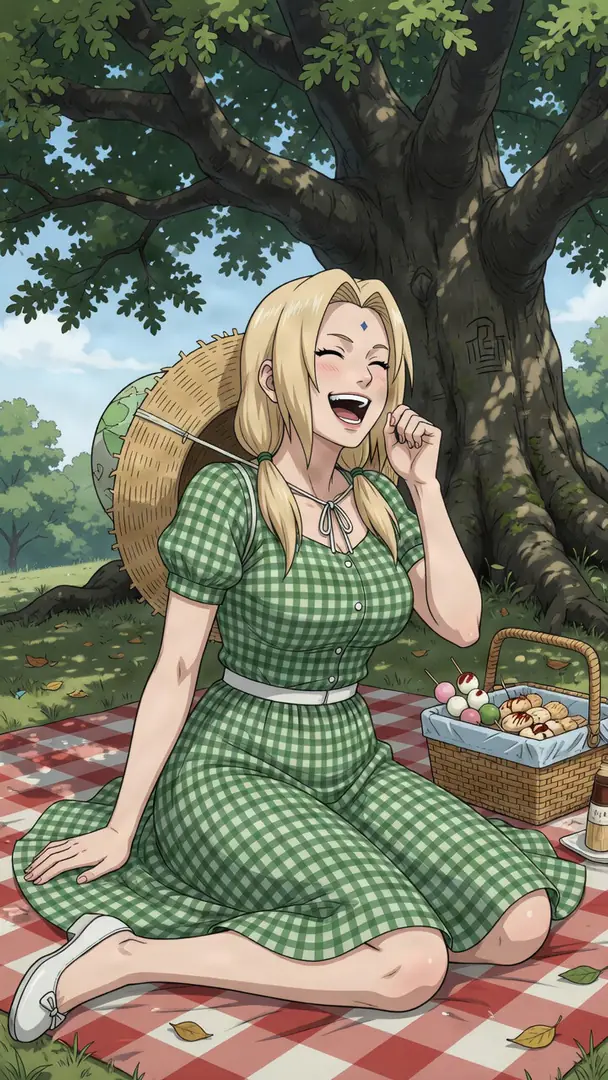
Summary
Momo Ayase, nursing a recent breakup, sticks up for a bullied classmate fixated on UFOs. Their clash over spirits versus aliens turns into a dare, sending each to a site tied to the other's beliefs. The boy she dubs Okarun meets Turbo Granny inside a tunnel and is cursed after fleeing from her, while Momo is seized by the Serpo, who intend to extract her reproductive organs. Cornered, she taps into latent psychic ability and wrecks their craft, but the spirit has already claimed Okarun's genitals, leaving him cursed and able to borrow Turbo Granny's blistering speed.
Refusing to abandon him, Momo enlists her grandmother Seiko, a genuine spirit medium, who trains the two and warns of the danger. After surviving an assault by the Flatwoods Monster, the pair head to the tunnel for a final confrontation. Momo goads the prideful spirit into a game of tag, then a chase across the city, ultimately luring Turbo Granny and a giant earthbound crab spirit onto a rigged rail line where both are exorcised.
Aftermath
Momo learns that Turbo Granny had been comforting the spirits of girls murdered at the tunnel, which softens her view of the yokai. Unknown to anyone, the spirit slips inside Okarun during the exorcism, a hidden survival that keeps his kintama lost and drives the whole series forward. The shared meal afterward becomes the first of many that knit the Family together, and the two leads officially become friends, the seed of their slowly growing feelings.
Related Reading
See all
Super Saiyan Pubes: The Song About Where Super Saiyan Hair Actually Goes
The transformation everyone knows, the follow-up question nobody would touch. Why we made a smooth R&B track about the golden glow Dragon Ball never talks about....
The Bleach Female Characters Nobody Can Agree On, Settled
Five Bleach female characters, ranked and settled. Yoruichi sits at number five, the spot nobody expects, and our number one is an Arrancar with a soft heart....
Frequently Asked Questions
Does Okarun lose Turbo Granny in the Turbo Granny Arc?
Turbo Granny is seemingly exorcised at the tunnel during the Turbo Granny Arc, but she secretly slips inside Okarun during the exorcism. This hidden survival keeps his kintama lost and lets him keep borrowing her blistering speed.
What is the Turbo Granny Arc in Dandadan?
The Turbo Granny Arc is the first story arc of Dandadan and the opening chapter of the Kintama Hunt Saga, drawn from chapters one through eight. The anime adapts it across the start of Season 1, and it introduces nearly every foundational element of the series.
How does the Turbo Granny Arc begin?
The Turbo Granny Arc springs from a schoolyard wager between Momo Ayase and the boy she dubs Okarun over whether ghosts or aliens are real. The dare sends each to a site tied to the other's beliefs, leaving Momo with awakened psychic powers and Okarun cursed by Turbo Granny.
How is Turbo Granny defeated in the arc?
Momo goads the prideful spirit into a game of tag and then a chase across the city. She ultimately lures Turbo Granny and a giant earthbound crab spirit onto a rigged rail line where both are exorcised.
What happens at the end of the Turbo Granny Arc?
Momo learns that Turbo Granny had been comforting the spirits of girls murdered at the tunnel, which softens her view of the yokai. The two leads officially become friends, and a shared meal afterward becomes the first of many that knit the Family together.
Sources & Information
Looking for more on Turbo Granny Arc? The Dandadan Wiki on Fandom has a dedicated page with community notes.
View on FandomThis content is original writing by Daddy Jim Headquarters based on the Dandadan anime series, manga, and official materials. Episode and chapter references are cited where applicable.
Character and scene imagery on this site is original artwork by Daddy Jim Headquarters, not screenshots or licensed imagery. Official cover art is used on three types of pages for editorial commentary:
- Movie pages: theatrical key visuals, credited to Science SARU and the production committee.
- Game pages: official promotional artwork, credited to the licensed publishers.
- Manga chapter pages: Jump Comics volume covers, credited to Shueisha and Yukinobu Tatsu.
Official resources:
Help Us Keep This Wiki Accurate
Daddy Jim Headquarters maintains this encyclopedia. If you spot an error, a translation issue, or something that doesn't look right, let us know.