Tsuzumi Mansion Arc
CharacterThe fourth story arc of Kimetsu no Yaiba traps Tanjiro and his anxious new ally Zenitsu inside a shape-shifting house ruled by a drum-wielding demon, where rooms rotate at a beat and a wild boar-masked swordsman crashes the hunt.
Overview
The Tsuzumi Mansion Arc is the fourth main storyline of the Kimetsu no Yaiba manga, running from Chapter 20 through Chapter 27 and adapted in Episodes 11 through 14 of the first anime season. It follows the events of the Asakusa Arc and leads directly into the Mount Natagumo Arc.
The arc takes its name from its central setting, a remote mansion on a mountainside controlled by a demon who carries drums embedded in his body. It is best known for introducing two of the series' lead characters and for its disorienting, room-shifting central puzzle.
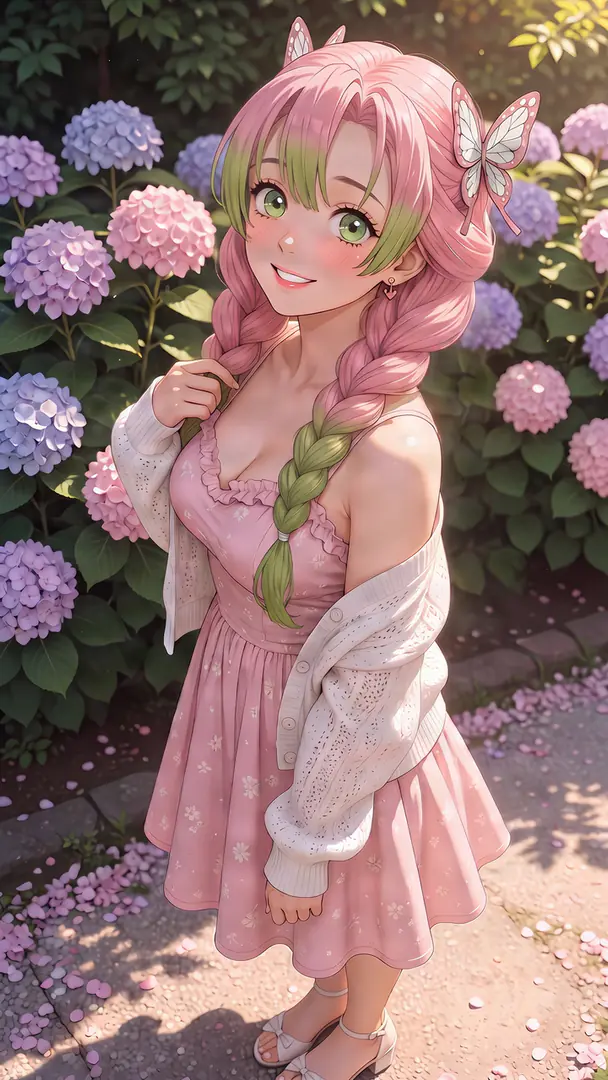
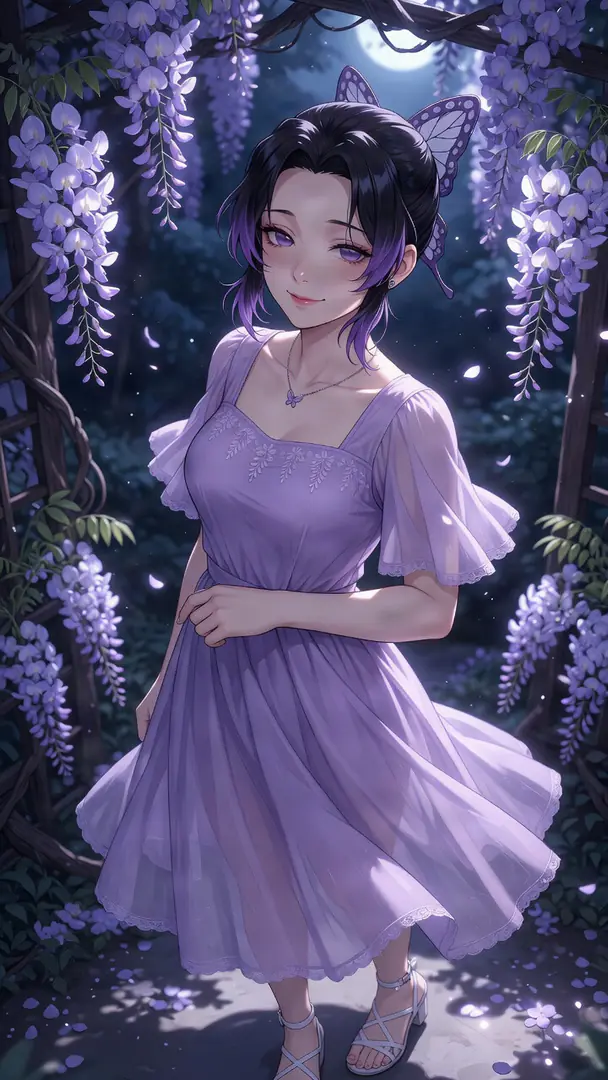

Summary
Climbing a mountain alongside the timid Zenitsu Agatsuma, who has only recently attached himself to the group, Tanjiro reaches a strange residence. A pair of frightened children plead with the two slayers to rescue their older brother, who has vanished somewhere within the walls.
Once inside, the layout refuses to stay still. Whenever the drum demon strikes one of the instruments fused to his frame, entire rooms spin and rearrange, turning the house into a living maze. Separated and disoriented, each fighter is forced to face a demon of his own while searching for the missing boy.
During the chaos Tanjiro encounters a brash, energetic young man wearing a boar's-head mask. This aggressive newcomer, Inosuke Hashibira, throws himself into the fighting on his own terms, setting up the trio dynamic that defines much of the series. Tanjiro also confronts Kyogai, the master of the mansion, whose drum-driven attacks turn the building itself into a weapon.
Aftermath
By the close of the arc the abducted child is recovered and the mansion's threat is ended. More importantly for the larger narrative, the events here cement Zenitsu and Inosuke as fixtures alongside Tanjiro, completing the core group of young slayers who travel together from this point forward.
The arc also introduces several supporting figures connected to the rescue, and it leaves Tanjiro and his new companions poised for their next, far deadlier assignment on Mount Natagumo.
Related Reading
See all
Demon Slayer Infinity Castle Is the Biggest Anime Movie Ever but It Still Lost in Japan
Demon Slayer: Infinity Castle earned $778 million globally and nearly 40 billion yen in Japan, but it still couldn't top Mugen Train's domestic record. Here's why that barely matters....
Super Saiyan Pubes: The Song About Where Super Saiyan Hair Actually Goes
The transformation everyone knows, the follow-up question nobody would touch. Why we made a smooth R&B track about the golden glow Dragon Ball never talks about....

Frequently Asked Questions
What happens in the Tsuzumi Mansion Arc?
In the Tsuzumi Mansion Arc, Tanjiro and Zenitsu enter a shape-shifting mansion ruled by a drum-wielding demon named Kyogai, who rotates and rearranges rooms whenever he strikes the drums fused to his body. While searching for a missing boy, the slayers are separated and each must fight a demon, and Tanjiro meets the boar-masked Inosuke Hashibira before confronting Kyogai.
What episode is the Tsuzumi Mansion Arc in Demon Slayer?
The Tsuzumi Mansion Arc is adapted in Episodes 11 through 14 of the first season of the Demon Slayer anime. In the manga it runs from Chapter 20 through Chapter 27.
What is Tsuzumi in the Tsuzumi Mansion Arc?
In the Tsuzumi Mansion Arc, the tsuzumi refers to the drums embedded in the body of the demon Kyogai, who controls the mansion. Each time he strikes one of these drums, entire rooms of the house spin and rearrange, turning the building into a living maze.
Where does the Tsuzumi Mansion Arc fall in the Demon Slayer story order?
The Tsuzumi Mansion Arc is the fourth main storyline of Kimetsu no Yaiba. It follows the Asakusa Arc and leads directly into the Mount Natagumo Arc.
Who is introduced in the Tsuzumi Mansion Arc?
The Tsuzumi Mansion Arc introduces Inosuke Hashibira, an aggressive young man wearing a boar's-head mask, and cements Zenitsu Agatsuma as a fixture in the group. The events complete the core trio of young slayers who travel alongside Tanjiro from this point forward.
Sources & Information
Looking for more on Tsuzumi Mansion Arc? The Demon Slayer Wiki on Fandom has a dedicated page with community notes.
View on FandomThis content is original writing by Daddy Jim Headquarters based on the Demon Slayer anime series, manga, and official materials. Episode and chapter references are cited where applicable.
Character and scene imagery on this site is original artwork by Daddy Jim Headquarters, not screenshots or licensed imagery. Official cover art is used on three types of pages for editorial commentary:
- Movie pages: theatrical posters and key visuals, credited to ufotable and Aniplex.
- Game pages: official box art, credited to Sega, Aniplex, and other publishers.
- Manga chapter pages: Jump Comics volume covers, credited to Shueisha and Koyoharu Gotouge.
Official resources:
Help Us Keep This Wiki Accurate
Daddy Jim Headquarters maintains this encyclopedia. If you spot an error, a translation issue, or something that doesn't look right, let us know.