Jarred Kjack
Voice ActorJarred Kjack is an English voice actor who voices the demon Slasher in the English dub of Ufotable's "Demon Slayer: Kimetsu no Yaiba."
Demon Slayer Role
Kjack voices Slasher in the English-language version of "Demon Slayer: Kimetsu no Yaiba." An anime-original demon, Slasher serves as the opening threat of the Mugen Train arc, a tattooed killer who terrorizes a village near the railway and relies on enhanced speed and hostages before he is cut down by the Flame Hashira, Kyojuro Rengoku. The part gives Kjack an antagonist role within Ufotable's adaptation.

Frequently Asked Questions
Who does Jarred Kjack voice in Demon Slayer: Kimetsu no Yaiba?
Jarred Kjack voices the demon Slasher in the English dub of Ufotable's Demon Slayer: Kimetsu no Yaiba. Slasher is an anime-original demon.
Who is Slasher in Demon Slayer?
Slasher is an anime-original demon, voiced in English by Jarred Kjack, who serves as the opening threat of the Mugen Train arc. He is a tattooed killer who terrorizes a village near the railway.
What are Slasher's abilities in Demon Slayer?
Slasher relies on enhanced speed and hostages as he terrorizes a village near the railway. Jarred Kjack provides his English voice in Demon Slayer: Kimetsu no Yaiba.
How is Slasher defeated in Demon Slayer?
Slasher is cut down by the Flame Hashira, Kyojuro Rengoku. The demon, voiced by Jarred Kjack, serves as the opening threat of the Mugen Train arc.
Is Slasher an antagonist role for Jarred Kjack?
Yes. Voicing Slasher gives Jarred Kjack an antagonist role within Ufotable's adaptation of Demon Slayer: Kimetsu no Yaiba.
Related Reading
See all
Demon Slayer Infinity Castle Is the Biggest Anime Movie Ever but It Still Lost in Japan
Demon Slayer: Infinity Castle earned $778 million globally and nearly 40 billion yen in Japan, but it still couldn't top Mugen Train's domestic record. Here's why that barely matters....
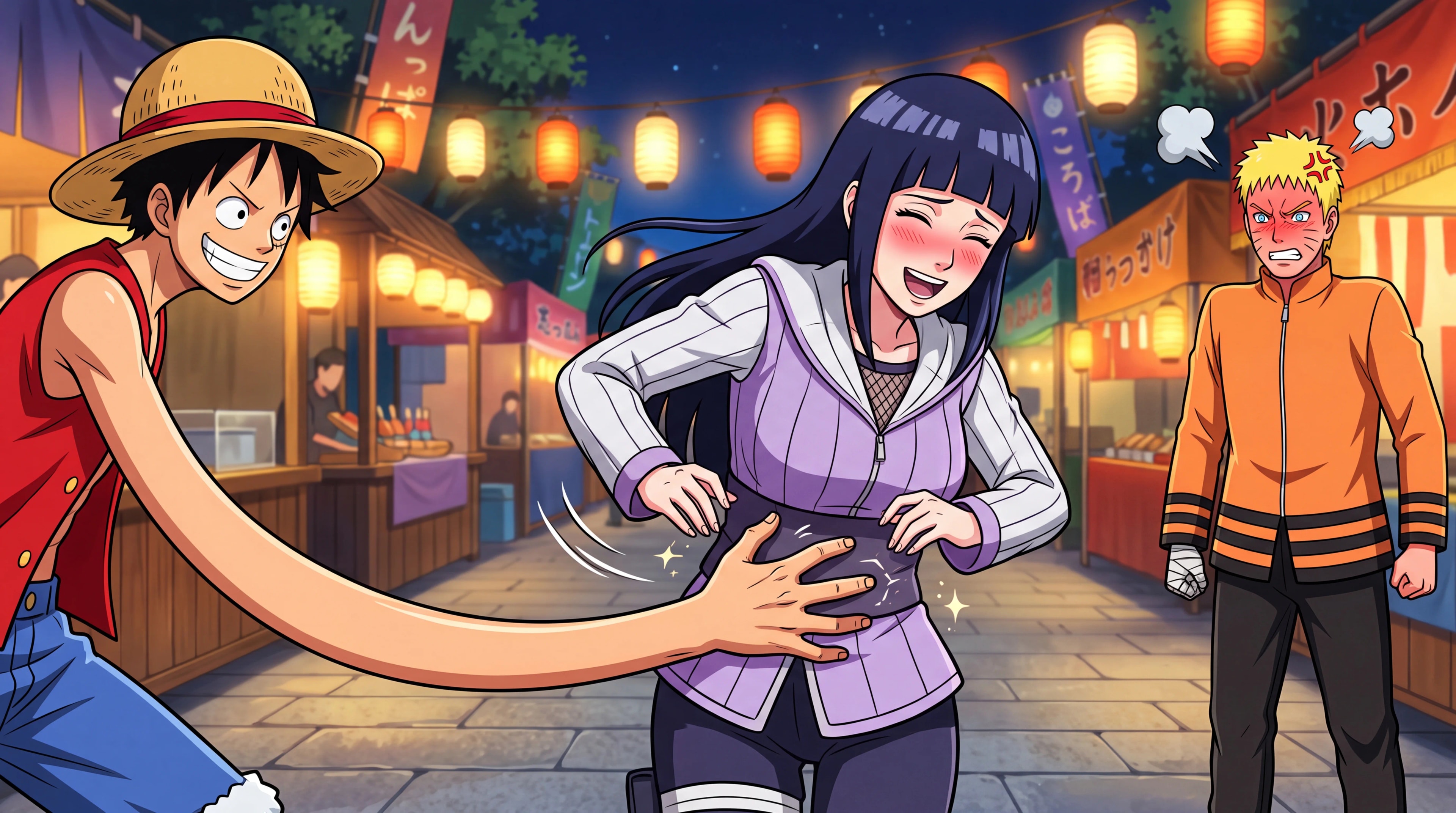
Naruto vs Luffy: Does the Fight Change if Luffy Tickles Hinata?
Naruto vs Luffy with the twist nobody asked for: Luffy tickled Hinata on date night, and she kind of liked it. We break down the whole fight and commit to a winner....
Sources & Information
This content is original writing by Daddy Jim Headquarters based on the Demon Slayer anime series, manga, and official materials. Episode and chapter references are cited where applicable.
Rights holders
All rights belong to their respective owners.
Character and scene imagery on this site is original artwork by Daddy Jim Headquarters, not screenshots or licensed imagery. Official cover art is used on three types of pages for editorial commentary:
- Movie pages: theatrical posters and key visuals, credited to ufotable and Aniplex.
- Game pages: official box art, credited to Sega, Aniplex, and other publishers.
- Manga chapter pages: Jump Comics volume covers, credited to Shueisha and Koyoharu Gotouge.
Official resources:
Help Us Keep This Wiki Accurate
Daddy Jim Headquarters maintains this encyclopedia. If you spot an error, a translation issue, or something that doesn't look right, let us know.