Seventh Angel
CharacterA walking clocktower of an Angel, the Seventh strides across the ocean in Evangelion: 2.0 You Can (Not) Advance, shrugging off naval bombardment while its twin faces spin like opposing clock hands. Its one secret, a decoy core, makes it the debut kill for Asuka Shikinami Langley.
Appearance
The Angel towers as a bipedal figure assembled from many geometrically similar pieces, each sharply pronged in four directions. A long neck lifts a head bearing two faces set back to back, both recalling Sachiel; one is red and longer than its twin, and each rotates leftward so the pair sweep in opposite directions like the hands of a clock. Ring structures suggesting halos sit at its hips.
Directly beneath the head hangs a mock core. Shattering it takes the head with it and briefly scatters the whole body, but the deception ends there: the genuine core rides in a swinging pendulum at the tail's tip, a big red mass bearing four eyes, and that appendage arcs forward to serve as a new head while the body swiftly knits itself back together.
Abilities
Its head can briefly warp into a dark cross, from which it releases two kinds of attack: cross-shaped detonations and dart-like projectiles that trail black streaks through the air. To travel it simply walks on the sea, its A.T. Field flash-freezing the water under every footfall, and its gait is accompanied by the ticking of a clock.


History
Crossing the ocean toward Japan, the Angel absorbs sustained shelling from at least ten frigates without harm, then answers by spinning its heads and hurling cross blasts that fling the warships skyward and snap them in half. Because of the creature's sheer scale, Unit-02 launches with the flight-capable S-Type aerial equipment, and Asuka finishes the fight by firing the Super-Electromagnetic Crossbow MM-144, punching a spike through every layered A.T. Field and into the true core.
The battle exists because the corresponding television fight could not be reused; according to Kazuya Tsurumaki the original art for Episode 08 had been lost, so the fish-like Gaghiel was replaced with an entirely new design and engagement. Assistant director Daizen Komatsuda pitched the idea of a drinking-bird toy, Shigeto Koyama refined the silhouette and head and devised the water-freezing footsteps, and Hideaki Anno contributed the truss construction and rotating clock head, drawing on the Toshiba IHI Pavilion from the 1970 Osaka Expo.
Related Reading
See all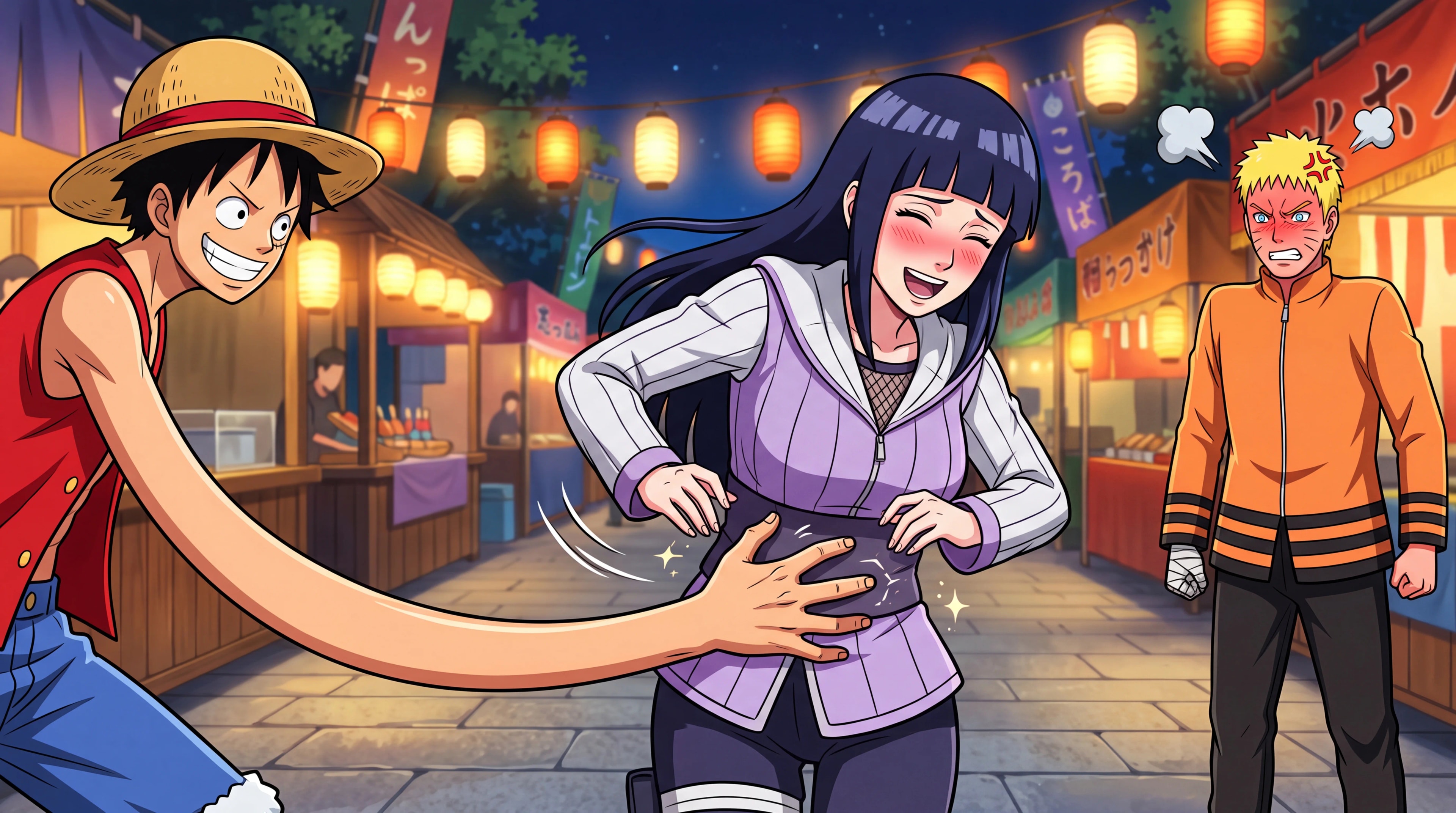
Naruto vs Luffy: Does the Fight Change if Luffy Tickles Hinata?
Naruto vs Luffy with the twist nobody asked for: Luffy tickled Hinata on date night, and she kind of liked it. We break down the whole fight and commit to a winner....
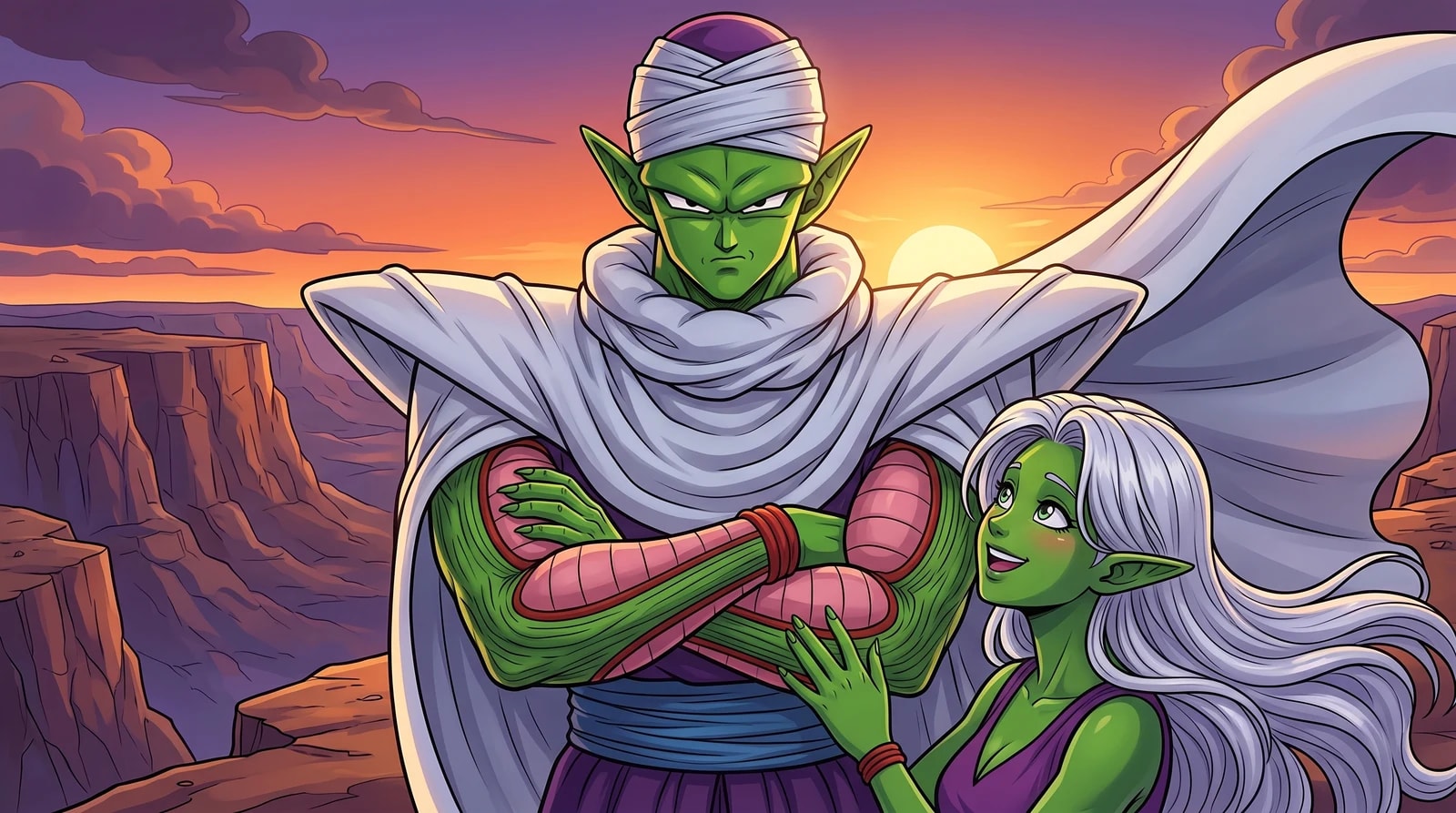
Piccolo Gets the Namek Hoes: Namek Has No Women, and He Pulls Anyway
There are no women on Namek. That isn't an oversight, it's the biology. Why we handed Piccolo the one thing his own species rules out, and why it had to be trap soul....
Frequently Asked Questions
What happens when the Seventh Angel attacks in Evangelion: 2.0 You Can (Not) Advance?
The Seventh Angel crosses the ocean toward Japan, shrugging off shelling from at least ten frigates and hurling cross shaped blasts that snap the warships in half. Unit-02 launches with flight capable S-Type aerial equipment to intercept it before it can reach land.
What does the Seventh Angel look like?
The Seventh Angel is a towering bipedal figure built from geometrically similar, sharply pronged pieces, with a long neck supporting a head that has two faces set back to back. The faces rotate in opposite directions like the hands of a clock, and ring structures resembling halos sit at its hips.
Where is the Seventh Angel's real core hidden?
The Seventh Angel hides a decoy core just beneath its head, so destroying that mock core only scatters the body temporarily. Its true core rides inside a big red, four eyed mass at the tip of a swinging pendulum tail, which can snap forward to serve as a new head.
How does Asuka defeat the Seventh Angel?
Asuka Shikinami Langley defeats the Seventh Angel by firing the Super-Electromagnetic Crossbow MM-144, punching a spike through every layered A.T. Field and into the Angel's true core. It stands as her debut kill as an Evangelion pilot.
Why was the Seventh Angel created for the Rebuild films instead of reusing the original TV design?
The Seventh Angel exists because the original television fight could not be reused. The art for the corresponding episode featuring the fish-like Angel Gaghiel had been lost, so the production designed an entirely new Angel and battle in its place.
Sources & Information
Looking for more on Seventh Angel? The Dragon Ball Wiki on Fandom has a dedicated page with community notes.
View on FandomThis content is original writing by Daddy Jim Headquarters based on the Dragon Ball anime series, manga, and official materials. Episode and chapter references are cited where applicable.
Character and scene imagery on this site is original artwork by Daddy Jim Headquarters, not screenshots or licensed imagery. Official cover art is used on three types of pages for editorial commentary:
- Movie pages: theatrical posters and key visuals, credited to Toei Animation and Shueisha.
- Game pages: official box art, credited to Bandai Namco, Atari, and other publishers.
- Manga chapter pages: Jump Comics volume covers, credited to Shueisha and Akira Toriyama.
Official resources:
Help Us Keep This Wiki Accurate
Daddy Jim Headquarters maintains this encyclopedia. If you spot an error, a translation issue, or something that doesn't look right, let us know.