Ritsu Sohma, who carries the monkey of the zodiac, pays a call at Shigure's home. Tohru quickly decides this gentle visitor is a sweet-natured young woman, an assumption that turns out to be almost entirely mistaken.
Summary
Heading toward the house, Tohru crosses paths with Ritsu Sohma, the monkey of the Chinese zodiac, a nervous figure known for dressing in women's clothing, apologizing without end, and sinking into deep gloom. Once the two reach the residence, Ritsu hands Shigure a few gifts and prepares to slip away rather than risk being any bother. Tohru insists on serving tea before the departure, but when she accidentally shatters one of the cups, the mishap throws Ritsu into a spiral of self-blame.

Key Events
Reaching out to keep Ritsu from treading on the broken shards, Tohru instead triggers a transformation into the monkey and cuts herself in the process. Overwhelmed, Ritsu climbs onto the roof intending to end things, and only Tohru's pleading talks the visitor down, though a near tumble from the edge leaves a twisted ankle. Ritsu ends up lodging at the house for three days under Hatori's care. Days afterward, walking home from school, Tohru meets Ritsu again while the latter carries a bag of jelly buns meant for Shigure. Seated together on a park bench, they speak openly about the cross-dressing, the constant apologies, and the sadness beneath them, and Tohru offers comfort by insisting that everyone holds a reason to live that they must go out and find.
Related Reading
See all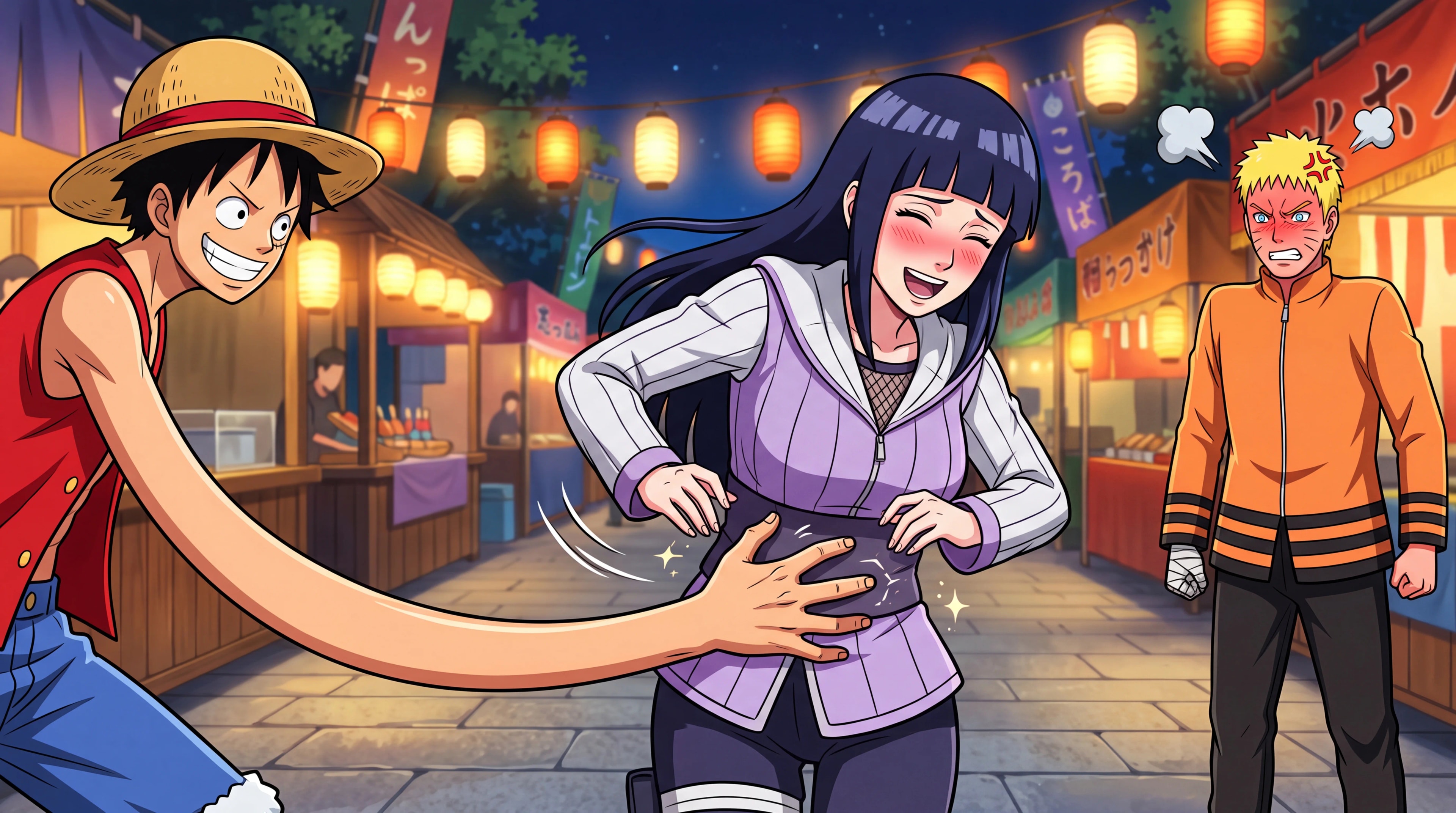
Naruto vs Luffy: Does the Fight Change if Luffy Tickles Hinata?
Naruto vs Luffy with the twist nobody asked for: Luffy tickled Hinata on date night, and she kind of liked it. We break down the whole fight and commit to a winner....
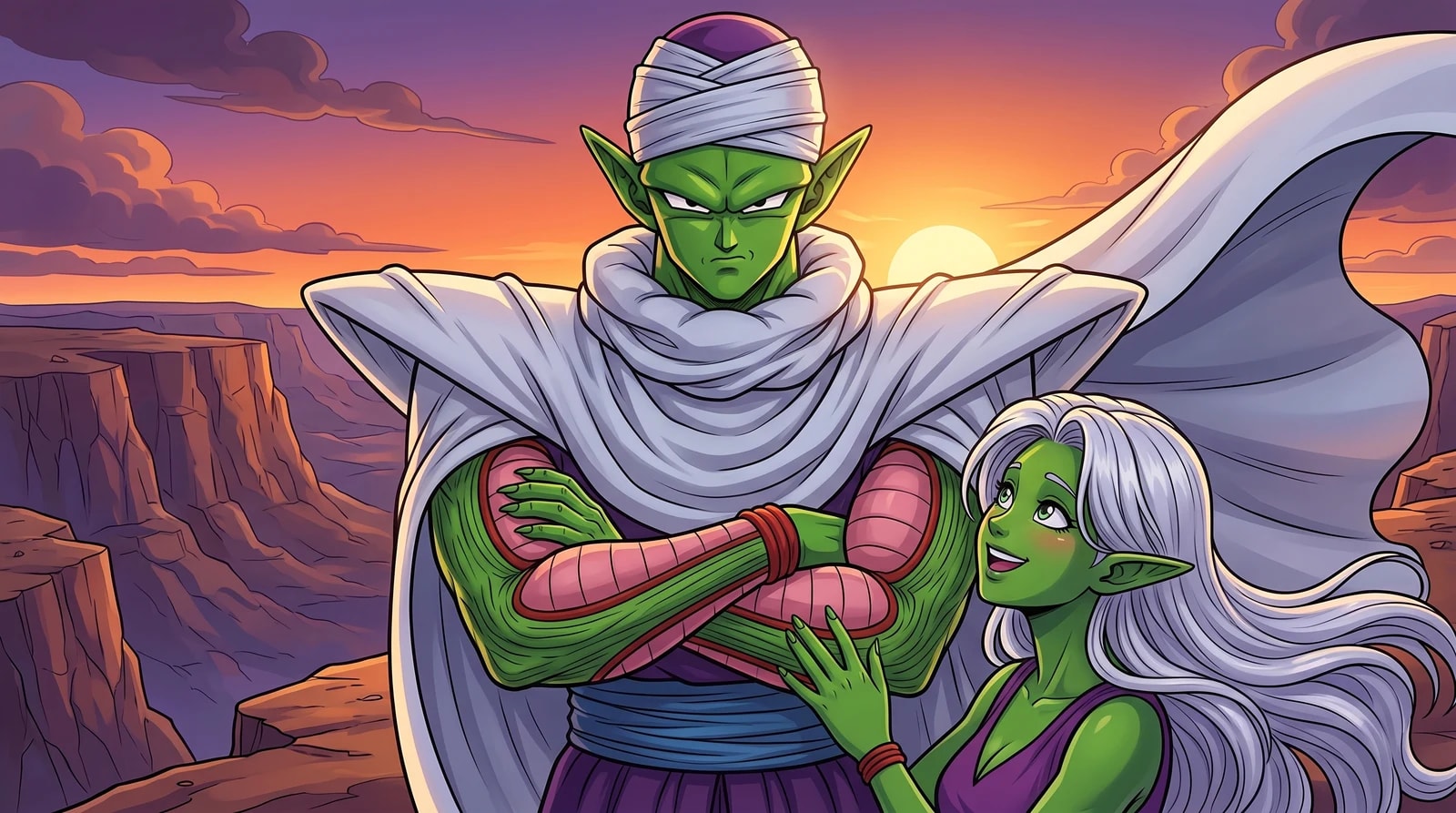
Namek Has No Women, and Piccolo Pulls Anyway
There are no women on Namek. That isn't an oversight, it's the biology. Why we handed Piccolo the one thing his own species rules out, and why it had to be trap soul....
Frequently Asked Questions
Who is Ritsu Sohma and what zodiac animal does he represent?
Ritsu Sohma is the monkey of the Chinese zodiac in Fruits Basket, introduced in "Is the Rumored Ri That Mother's Daughter" as a nervous, apologetic figure who dresses in women's clothing.
What happens when Tohru breaks a teacup during Ritsu's visit?
When Tohru accidentally shatters a teacup, she reaches out to keep Ritsu from stepping on the shards, which triggers his transformation into his monkey form and leaves her with a cut, sending Ritsu into a spiral of self-blame.
Why does Ritsu climb onto the roof in this episode?
Overwhelmed by guilt over the broken teacup and Tohru's injury, Ritsu climbs onto the roof intending to end his life, but Tohru's pleading talks him down, though he twists his ankle in the process and stays at the house for three days under Hatori's care.
What advice does Tohru give Ritsu about his sadness?
Sitting together on a park bench, Tohru tells Ritsu that everyone has a reason to live that they must go out and find, offering comfort after he opens up about his cross-dressing and constant apologizing.
What manga chapters does this episode adapt?
"Is the Rumored Ri That Mother's Daughter" is the twenty-third episode of the 2001 Fruits Basket anime and compresses manga chapters 43, 44, and 45 into Ritsu's introduction.
Sources & Information
Looking for more on Is the Rumored Ri That Mother's Daughter? The Fruits Basket Wiki on Fandom has a dedicated page with community notes.
View on FandomThis content is original writing by Daddy Jim Headquarters based on the Fruits Basket anime series, manga, and official materials. Fruits Basket was created by Natsuki Takaya, published by Hakusensha, and animated by TMS Entertainment. All rights to Fruits Basket and its characters belong to their respective owners. Episode and chapter references are cited where applicable.
Rights holders
- Created byNatsuki Takaya
- Published byHakusensha
- Animated byTMS Entertainment
All rights belong to their respective owners.
Character and scene imagery on this site is original artwork by Daddy Jim Headquarters, not screenshots or licensed imagery. Official cover art is used on three types of pages for editorial commentary:
- Movie pages: theatrical posters and key visuals, credited to TMS Entertainment and Hakusensha.
- Game pages: official box art, credited to the game's respective publishers.
- Manga chapter pages: volume covers, credited to Hakusensha and Natsuki Takaya.
Official resources:
Help Us Keep This Wiki Accurate
Daddy Jim Headquarters maintains this encyclopedia. If you spot an error, a translation issue, or something that doesn't look right, let us know.