Hat
ItemA plain blue cap made for a young child, the Hat looks utterly ordinary yet carries deep meaning. It binds Tohru, Yuki, and Kyo together, and the memory attached to it quietly shapes the emotions of everyone who once held it.
Overview
Sized for a young child and colored a plain blue, the cap looks like any ordinary hat. It belongs to Tohru Honda, yet its meaning reaches past her to bind three lives together: hers, Yuki's, and Kyo's. Something so plain ends up mattering greatly across the story.

Function
Kazuma Sohma, the man who raised Kyo, first gives him the cap. On a walk together, a gust tears it away, and Kyo finds it in Yuki's hands. Yuki offers it back, but Kyo, seething with hatred tied to the Sohma curse, coldly refuses, crushing an already wounded Yuki into tears.
Undeterred, Yuki wears the cap into the streets, where he sees Kyoko Honda begging police over her missing daughter. He finds a small, crying Tohru nearby, guides her back to her mother, and gives her the cap before exhaustion turns him into his rat form. The act still fills him with quiet joy and a reason to keep going.
Tohru guards the cap for years, treasuring the kindness it recalls and privately naming the unknown boy her first love. Neither Yuki nor Kyo knows she holds it, and Yuki never links her to the child he saved. Finding it in her room stirs buried feelings: he first believes he loves her, then realizes he sought a mother figure. He later asks Kyo whether he still owes an apology for once taking the cap, now Tohru's. Kyo stays silent.
The cap vanishes for much of the series, resurfacing near the end as a keepsake set among Chinese Zodiac figurines, Kyo's Juzu beads, and old family photos, a quiet reminder of her bond with Yuki.
Related Reading
See all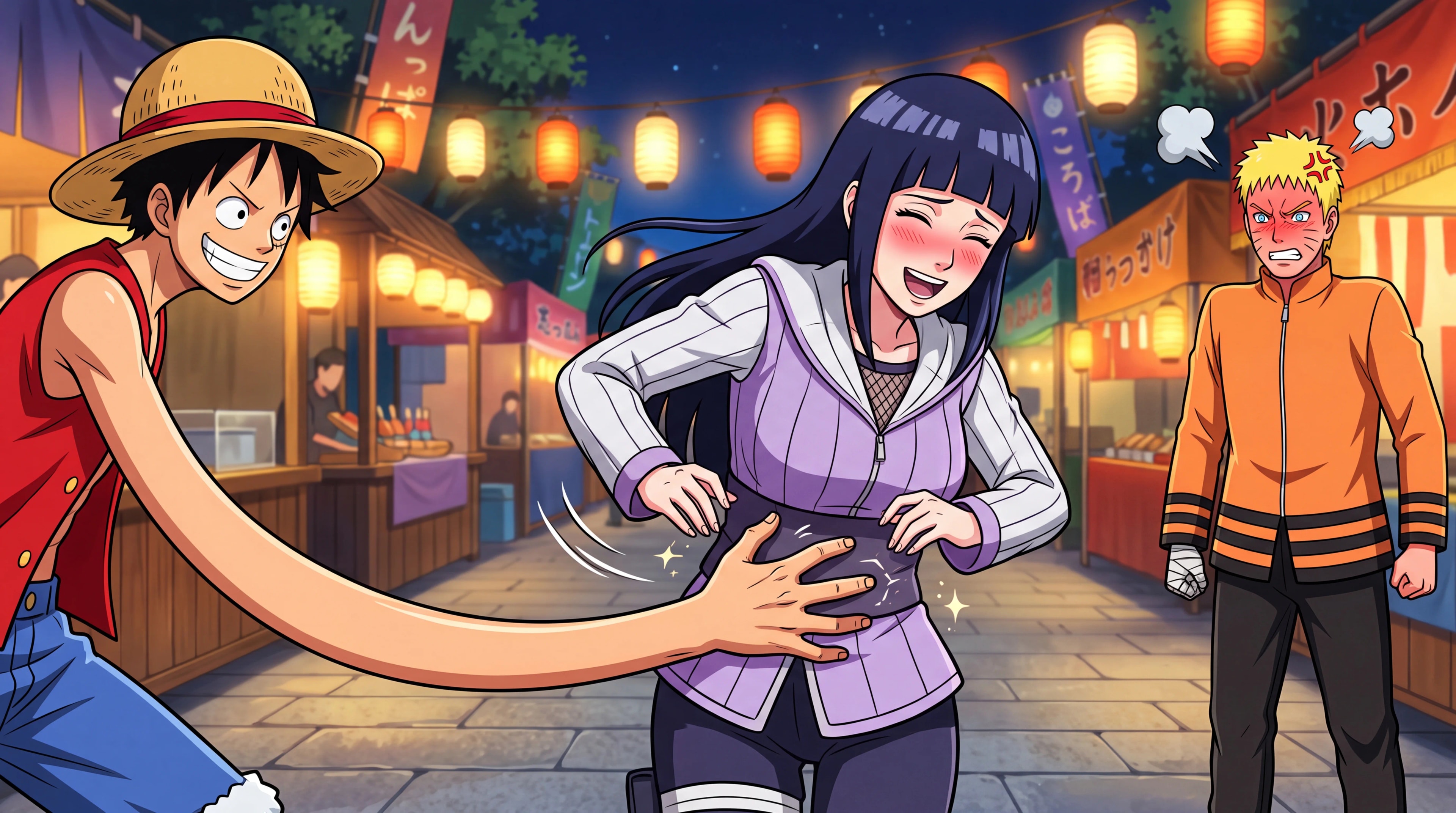
Naruto vs Luffy: Does the Fight Change if Luffy Tickles Hinata?
Naruto vs Luffy with the twist nobody asked for: Luffy tickled Hinata on date night, and she kind of liked it. We break down the whole fight and commit to a winner....
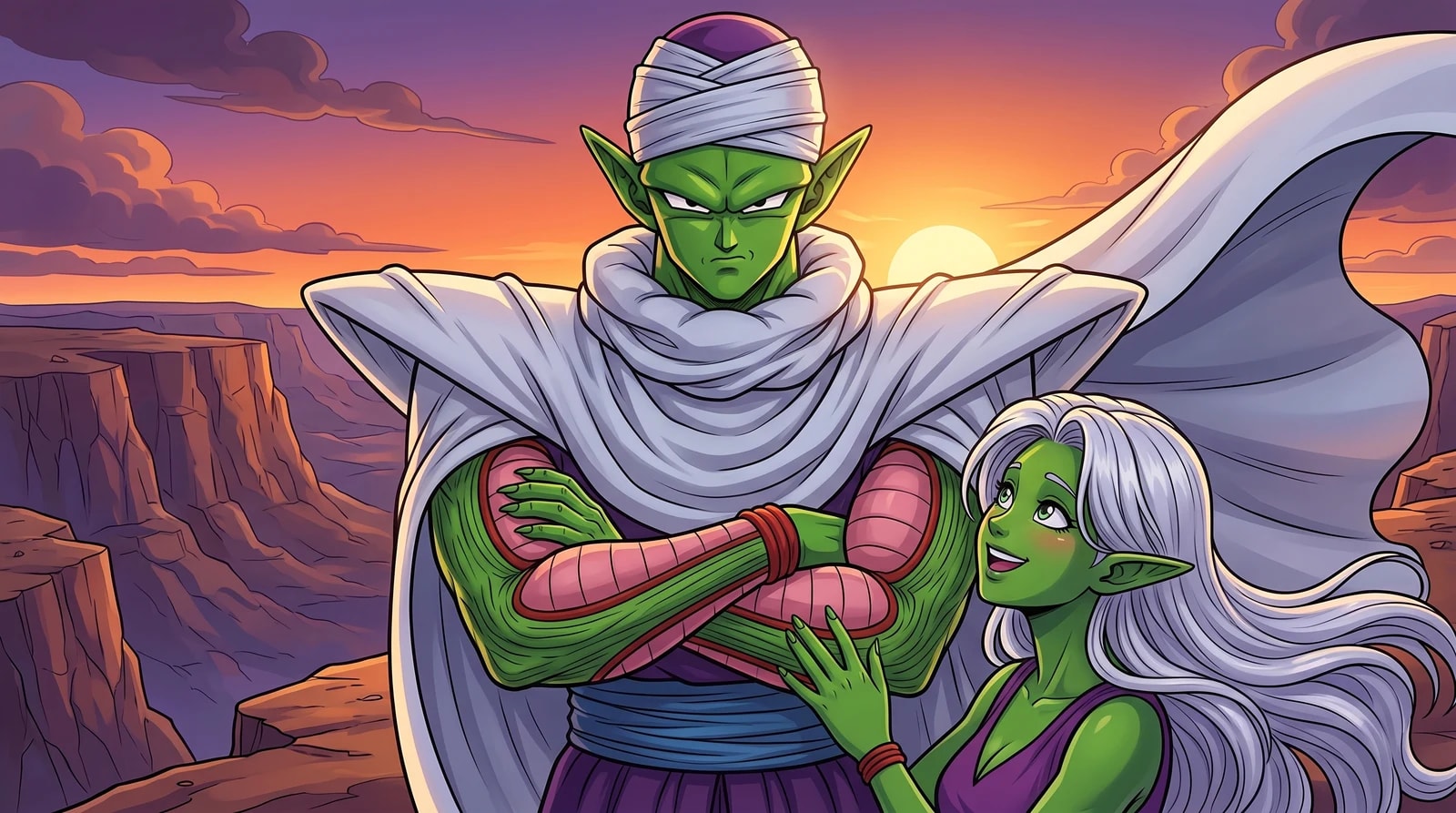
Namek Has No Women, and Piccolo Pulls Anyway
There are no women on Namek. That isn't an oversight, it's the biology. Why we handed Piccolo the one thing his own species rules out, and why it had to be trap soul....
Notable Users
Tohru Honda is the cap's lasting owner, holding it across the whole story. Kyo Sohma had it first, given to him by Kazuma Sohma, the guardian who adopted him, before the wind stole it. Yuki Sohma held it briefly, then passed it to Tohru, making him a former owner too. The cap never appears in the 2001 anime, absent from its footage and dialogue, though the 2019 adaptation includes it, with its debut in the manga's first chapter.
Frequently Asked Questions
What is the significance of the hat in Fruits Basket?
The Hat is a plain blue child's cap that ties Tohru, Yuki, and Kyo together. Kazuma Sohma first gives it to Kyo, Yuki later gives it to a lost young Tohru after guiding her back to her mother, and Tohru treasures it for years without knowing who the boy was.
Who is the hat in Fruits Basket?
The Hat belongs to Tohru Honda, who has kept it since childhood, while Kyo Sohma and Yuki Sohma are its two former owners.
How did Tohru Honda come to own the Hat?
As a lost, crying child, Tohru encounters Yuki Sohma wearing the cap. He guides her back to her worried mother, Kyoko Honda, and gives her the hat before collapsing into his rat form from exhaustion.
Why does Kyo refuse to take the hat back from Yuki?
When the wind blows the cap into Yuki's hands and he offers it back, Kyo coldly refuses because his hatred tied to the Sohma curse gets the better of him, leaving Yuki hurt.
Where does the Hat end up by the end of the story?
The Hat resurfaces near the end of the series as a keepsake kept in a bowl in Tohru's room, alongside Chinese Zodiac figurines, Kyo's Juzu beads, and old family photos.
Sources & Information
Looking for more on Hat? The Fruits Basket Wiki on Fandom has a dedicated page with community notes.
View on FandomThis content is original writing by Daddy Jim Headquarters based on the Fruits Basket anime series, manga, and official materials. Fruits Basket was created by Natsuki Takaya, published by Hakusensha, and animated by TMS Entertainment. All rights to Fruits Basket and its characters belong to their respective owners. Episode and chapter references are cited where applicable.
Rights holders
- Created byNatsuki Takaya
- Published byHakusensha
- Animated byTMS Entertainment
All rights belong to their respective owners.
Character and scene imagery on this site is original artwork by Daddy Jim Headquarters, not screenshots or licensed imagery. Official cover art is used on three types of pages for editorial commentary:
- Movie pages: theatrical posters and key visuals, credited to TMS Entertainment and Hakusensha.
- Game pages: official box art, credited to the game's respective publishers.
- Manga chapter pages: volume covers, credited to Hakusensha and Natsuki Takaya.
Official resources:
Help Us Keep This Wiki Accurate
Daddy Jim Headquarters maintains this encyclopedia. If you spot an error, a translation issue, or something that doesn't look right, let us know.