Kazundo Gouda
CharacterKazundo Gouda is the principal villain of Ghost in the Shell: S.A.C. 2nd GIG, a scarred data-manipulation chief inside the Cabinet Intelligence Service. Convinced he is Japan's destined savior, he orchestrates a refugee crisis and a manufactured terror movement to remake the nation on his own terms.
Appearance
Gouda's most striking feature is a badly scarred, bald head that he pointedly declines to fix, even though prosthetic replacements are cheap and easy to obtain. He favors black attire: a dark suit and matching leather gloves, sometimes finished with a fedora, sunglasses, and a long trench coat that lend him an urbane, faintly theatrical air. His eyes do not match, the right a pale blue and the left brown. In manner he stays composed, speaking with deliberate professionalism.
Personality
Outwardly Gouda is courteous and articulate, but the polish conceals a manipulative, amoral core. He is smug and condescending, forever raising himself up by belittling those around him, which quickly earns the distrust of Section 9 and Batou in particular. Beneath the sophistication is a man who was unremarkable before power ever found him, and that buried inferiority swells into a grandiose delusion in which he casts himself as a near-divine deliverer of his country.
The confidence, however, is brittle. He is thin-skinned and quick to rage, and he lashes out when Batou taunts him that Kuze, supposedly his puppet, has become deadlier than the man who made him. So sure of his own genius, he even threads his personality into the Individual Eleven virus, arranging to act through a proxy he deems more capable while keeping the credit for himself.
History
A field accident forced cybernetic reconstruction on Gouda and left him badly disfigured, yet he refused the simple prosthetic repairs that could have restored his face. Installed as head aide to the Strategic Influence Investigatory Committee within the Cabinet Intelligence Service, he first approaches Aramaki with a strategy to safeguard the residents of the refugee district. The post grants him broad reach and a useful ally in Chief Cabinet Secretary Takakura, who backs him to advance his own ambitions. Before long, Section 9 marks Gouda as the prime suspect behind the Individual Eleven affair.
He is the architect of that entire crisis. Exploiting the raw tension surrounding Japan's postwar refugees, he sets out to manufacture the upheaval that will topple the standing order. He circulates a forged eleventh essay credited to the invented philosopher Patrick Sylvestre, a text laced with a cyberbrain virus that drives each reader through a fixed terrorist script: killing the refugee idol and cyber-rapper Densetsu, moving against Prime Minister Yoko Kayabuki, and finally dying together at the Selecon Tower. Twelve of the strongest infected complete the scenario, each convinced he acts on his own conviction. The virus is tuned to take hold in virgins, and Gouda picks his intended hero by forcing the candidates to fight to the death, leaving the combat cyborg Hideo Kuze as the lone survivor.
The design calls for Kuze to inflame the refugee cause, and he does, rallying Dejima behind him, though out of a genuine belief that predates the virus rather than anything Gouda planted. Gouda quietly assists, cutting Nagasaki's power so Kuze can slip a naval blockade, while making sure the promised weapons-grade plutonium never actually reaches the refugees. His true aim is to push the conflict until public fury shatters the government, clearing a path for an administration friendly to the American Empire, fresh Cold War tension in the region, and a compliant Japan stripped of autonomy. He very nearly wins: Kayabuki is briefly ousted and a coup stirs as the military storms Dejima. What he fails to foresee is the sheer unpredictability of Kuze, Motoko, and the Tachikomas, whose sacrifice and rescue of the refugees halt the assault. Cornered, Gouda bargains for asylum with the American Empire and tries to exploit a loophole that lets a confessed criminal leave the country. Section 9 counters with written authority from Kayabuki empowering them to keep his talents out of foreign hands. Certain they are bluffing, he waves them off, and Motoko puts a round through his head.
Related Reading
See all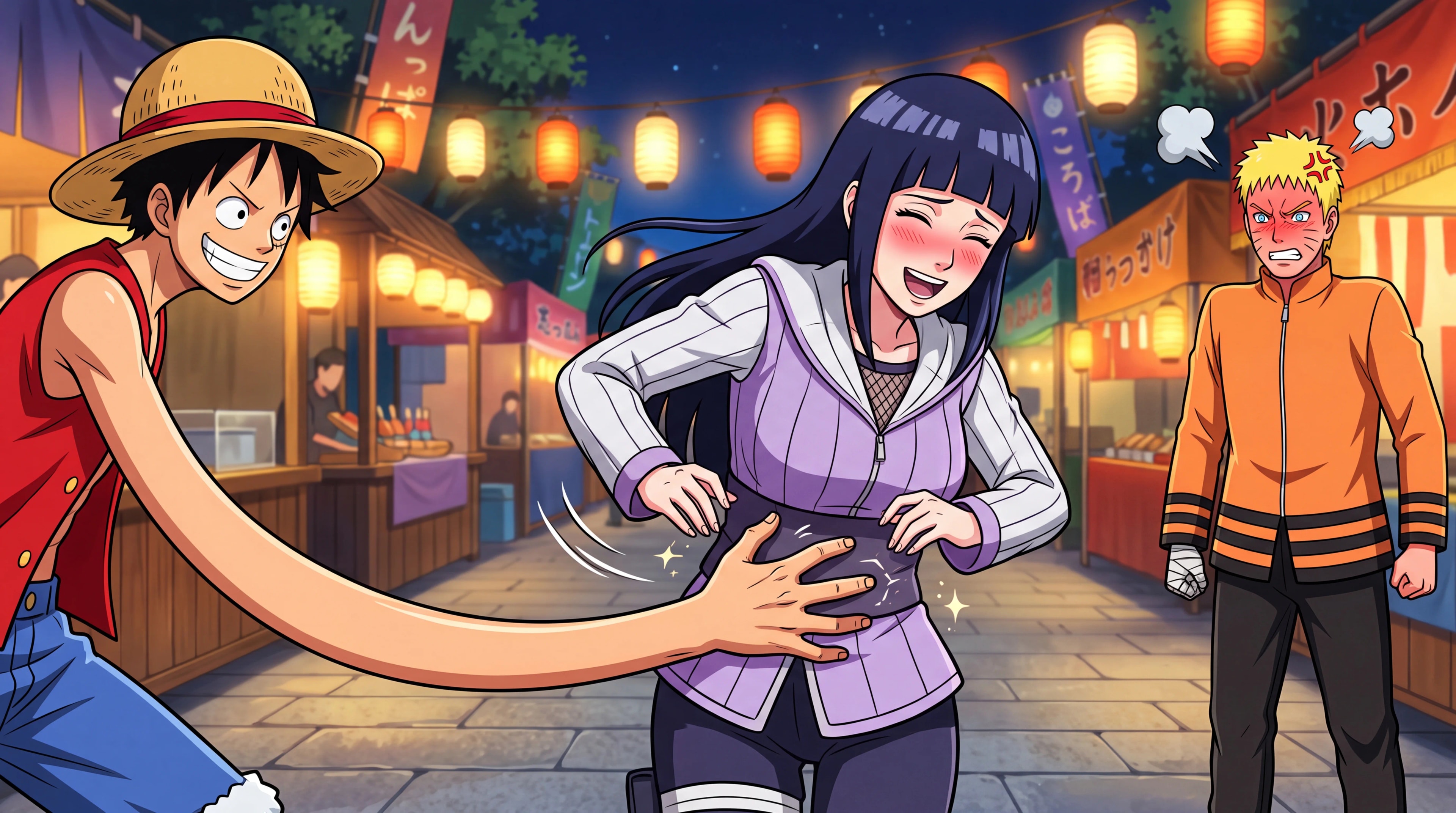
Naruto vs Luffy: Does the Fight Change if Luffy Tickles Hinata?
Naruto vs Luffy with the twist nobody asked for: Luffy tickled Hinata on date night, and she kind of liked it. We break down the whole fight and commit to a winner....
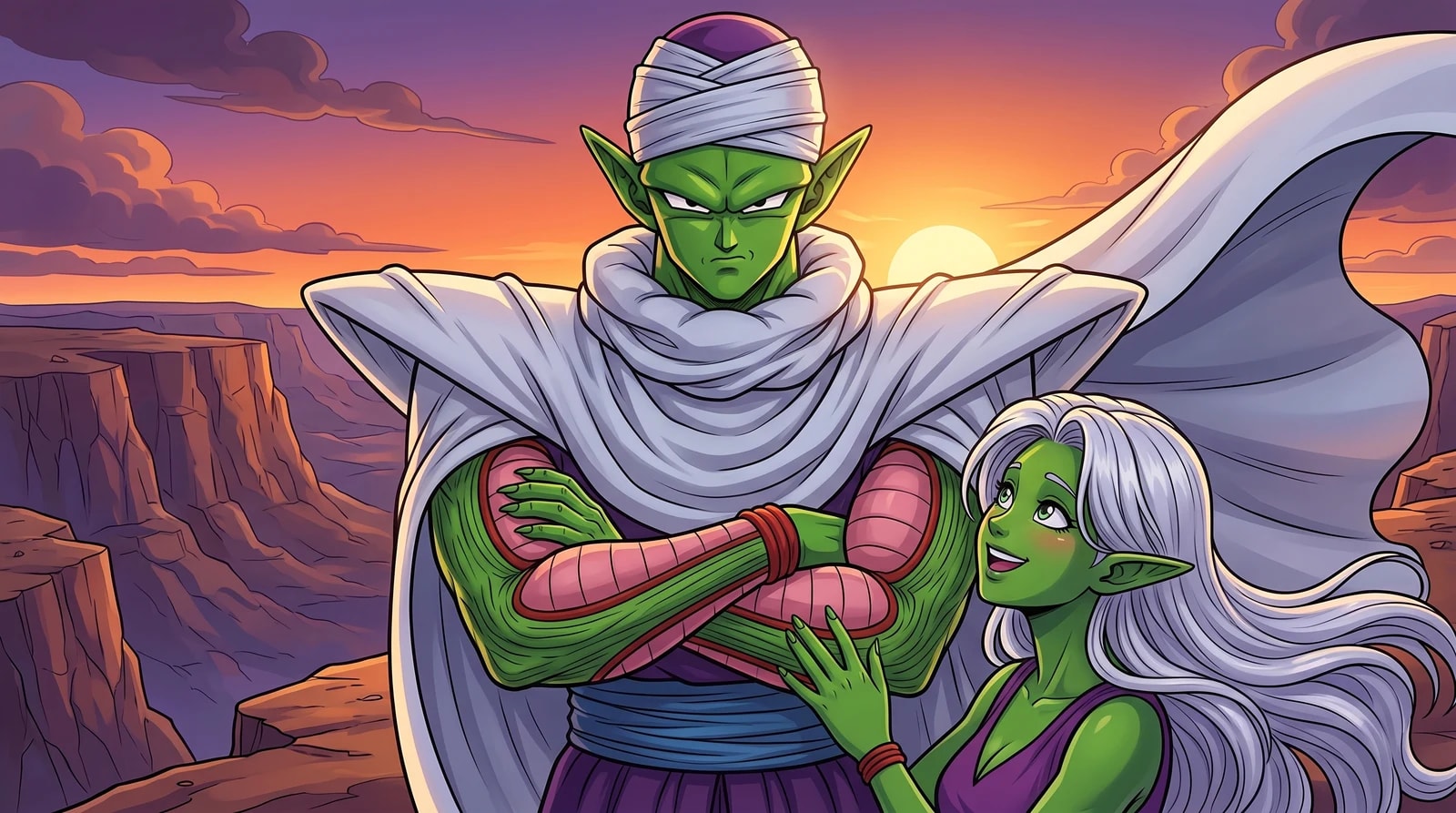
Piccolo Gets the Namek Hoes: Namek Has No Women, and He Pulls Anyway
There are no women on Namek. That isn't an oversight, it's the biology. Why we handed Piccolo the one thing his own species rules out, and why it had to be trap soul....
Frequently Asked Questions
Who is Kazundo Gouda in Ghost in the Shell?
Kazundo Gouda is the principal villain of Ghost in the Shell: S.A.C. 2nd GIG, a scarred data-manipulation chief inside the Cabinet Intelligence Service who believes he is Japan's destined savior.
What does Kazundo Gouda look like?
Kazundo Gouda has a badly scarred, bald head that he pointedly declines to fix, favors black attire with a trench coat and gloves, and has mismatched eyes, a pale blue right eye and a brown left eye.
What is Kazundo Gouda's plan in Stand Alone Complex 2nd GIG?
Kazundo Gouda engineers the Individual Eleven affair, circulating a virus-laced essay that drives infected readers through a fixed terrorist script, in order to manufacture a refugee crisis that topples Japan's government and clears the way for an administration friendly to the American Empire.
What is Kazundo Gouda's connection to Hideo Kuze?
Kazundo Gouda forces the virus's candidates to fight to the death and selects Hideo Kuze, the lone survivor, to become the figurehead who inflames the refugee cause while Gouda works to steer events from behind the scenes.
How does Kazundo Gouda die?
Cornered by Section 9, Kazundo Gouda tries to bargain for asylum with the American Empire, waving off the agency's authority to hold him. Certain they are bluffing, he is shot in the head by Motoko Kusanagi.
Sources & Information
Looking for more on Kazundo Gouda? The Dragon Ball Wiki on Fandom has a dedicated page with community notes.
View on FandomThis content is original writing by Daddy Jim Headquarters based on the Dragon Ball anime series, manga, and official materials. Episode and chapter references are cited where applicable.
Character and scene imagery on this site is original artwork by Daddy Jim Headquarters, not screenshots or licensed imagery. Official cover art is used on three types of pages for editorial commentary:
- Movie pages: theatrical posters and key visuals, credited to Toei Animation and Shueisha.
- Game pages: official box art, credited to Bandai Namco, Atari, and other publishers.
- Manga chapter pages: Jump Comics volume covers, credited to Shueisha and Akira Toriyama.
Official resources:
Help Us Keep This Wiki Accurate
Daddy Jim Headquarters maintains this encyclopedia. If you spot an error, a translation issue, or something that doesn't look right, let us know.