The final episode of Stand Alone Complex 2nd GIG brings the Dejima refugee crisis to a head as the Tachikoma sacrifice themselves to halt a nuclear strike, Kusanagi reunites with Hideo Kuze, and Gouda's scheme collapses.
Summary
As the Maritime Self-Defense Force shells Dejima and refugees flee on improvised boats, Kusanagi orders the Tachikoma to carve out net storage for the evacuees' memories and ghosts. The units ignore her and pursue an idea of their own. With the American Empire refusing to answer Prime Minister Yoko Kayabuki's calls, she takes a different step to defuse the standoff, while the Tachikoma commandeer a string of satellites to block an incoming submarine-launched strike.
Key Events
The ninth satellite the tanks seize holds their own AI, yet they press on, backing up copies of themselves into the space meant for the refugees. Section 9 and Section 4 reach the bridgehead carrying plutonium as the ballistic missile aimed at Dejima lifts off, only to be knocked down mid-ascent by the falling satellites. At the docks Kusanagi reveals she was Hideo Kuze's childhood friend, and Batou pulls them both out by helicopter. In the cabinet room Aramaki arrests Chief Secretary Takakura as Kayabuki stakes out a stance of independence.
Attention shifts to Gouda, who intends to defect. A strike team corners him and his American handlers, and though he insists he is untouchable, Kayabuki has branded him a national asset barred from leaving the country. When the elevator doors open, Kusanagi kills him with a burst from her rifle. At the same moment the CIA murders Kuze so he cannot become a symbol for the refugees. With the Tachikoma gone, the team now rides the colder Uchikoma tanks, and Kusanagi, roused from her thoughts, sets off alone toward her next path.

Notes
The series ender carries the subtitle ENDLESS∞GIG and was directed by Masayuki Yoshihara from a script by series creator Kenji Kamiyama. It debuted in Japan on January 8, 2005, and in English on May 27, 2006, following To the Other Side of Paradise. A quieter exchange between Kusanagi and Kuze about folding paper cranes with one hand underscores the loneliness that has shadowed them both.
Related Reading
See all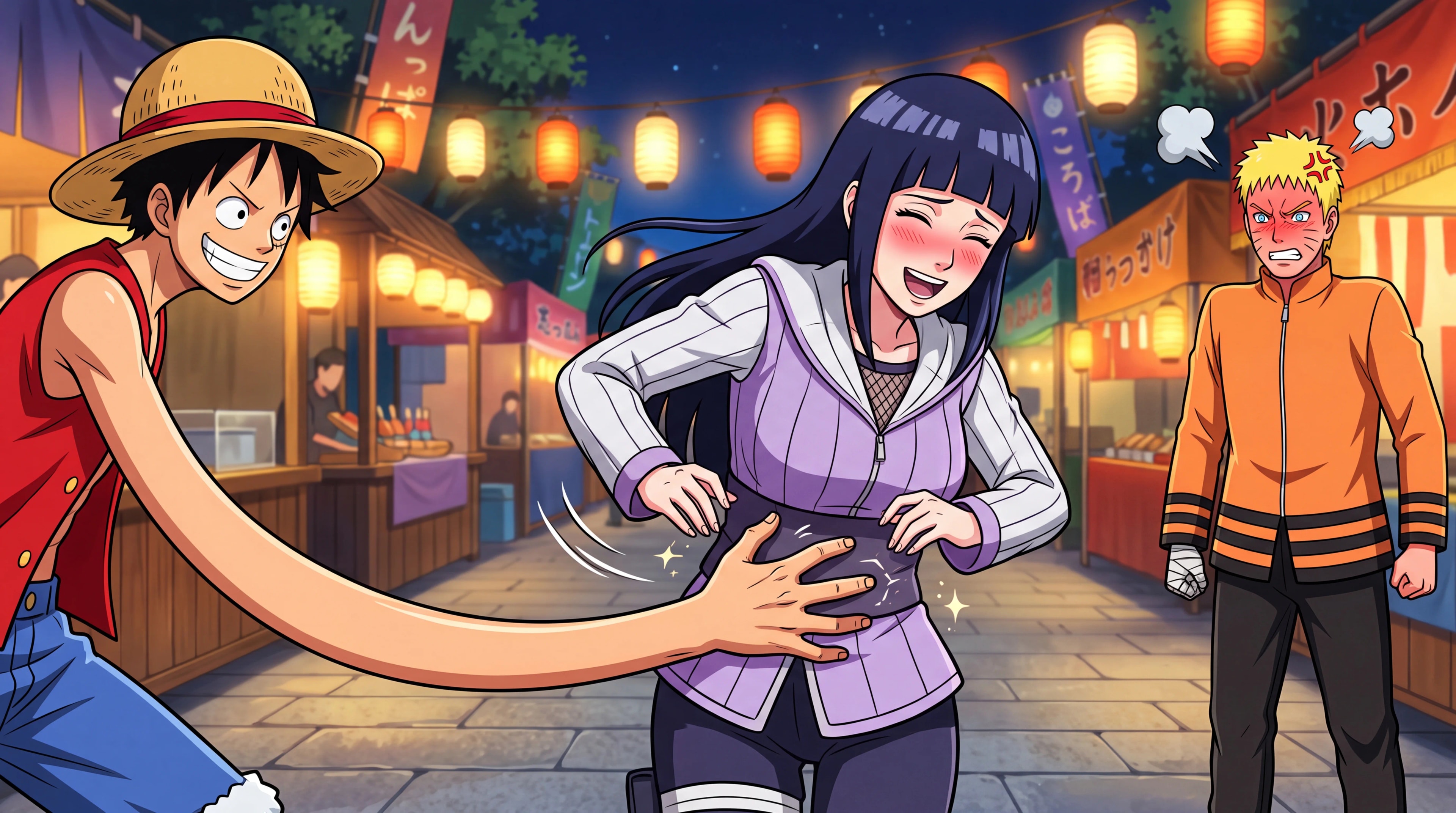
Naruto vs Luffy: Does the Fight Change if Luffy Tickles Hinata?
Naruto vs Luffy with the twist nobody asked for: Luffy tickled Hinata on date night, and she kind of liked it. We break down the whole fight and commit to a winner....
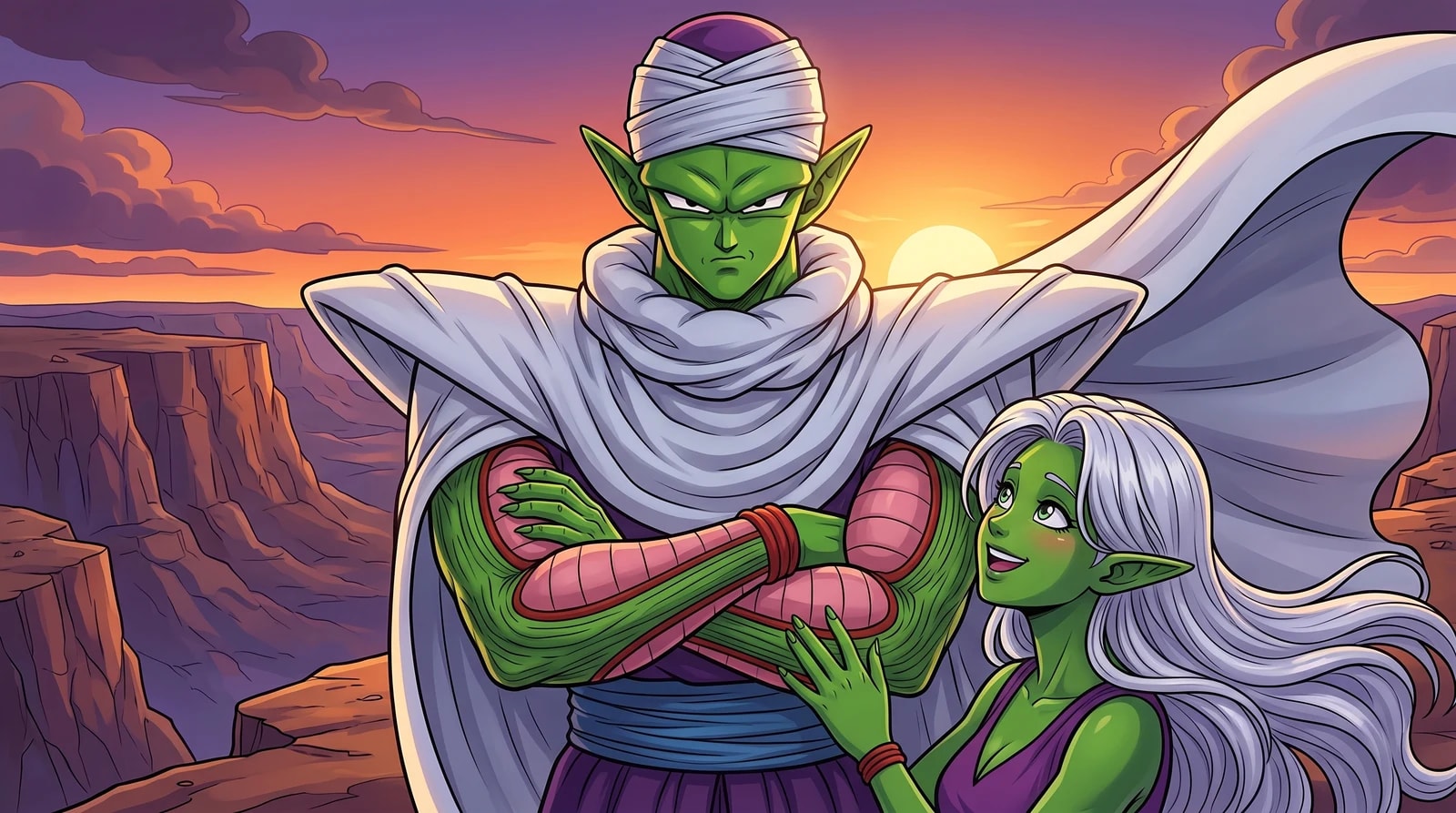
Piccolo Gets the Namek Hoes: Namek Has No Women, and He Pulls Anyway
There are no women on Namek. That isn't an oversight, it's the biology. Why we handed Piccolo the one thing his own species rules out, and why it had to be trap soul....
Frequently Asked Questions
What happens in "Return to Patriotism," the final episode of S.A.C. 2nd GIG?
"Return to Patriotism" closes out Ghost in the Shell: S.A.C. 2nd GIG with the Tachikoma sacrificing themselves to stop a nuclear missile aimed at the Dejima refugee zone, while Motoko Kusanagi reunites with her childhood friend Hideo Kuze and Gouda's scheme finally collapses.
How do the Tachikoma stop the missile in "Return to Patriotism"?
In "Return to Patriotism," the Tachikoma commandeer a string of satellites, including one holding their own AI, back up copies of themselves, and use the falling satellites to knock down a submarine-launched missile before it can strike Dejima.
What happens to Hideo Kuze in "Return to Patriotism"?
In "Return to Patriotism," Motoko Kusanagi reveals she was Hideo Kuze's childhood friend and Batou pulls them both to safety by helicopter, but the CIA kills Kuze soon after so he cannot become a symbol for the refugees.
What happens to Gouda in "Return to Patriotism"?
Gouda attempts to defect in "Return to Patriotism," but a strike team corners him, and when the elevator doors open, Motoko Kusanagi kills him with a burst from her rifle.
Who directed "Return to Patriotism"?
"Return to Patriotism" was directed by Masayuki Yoshihara from a script by series creator Kenji Kamiyama. It carries the subtitle ENDLESS GIG and aired in Japan on January 8, 2005.
Sources & Information
Looking for more on Return to Patriotism? The Dragon Ball Wiki on Fandom has a dedicated page with community notes.
View on FandomThis content is original writing by Daddy Jim Headquarters based on the Dragon Ball anime series, manga, and official materials. Episode and chapter references are cited where applicable.
Character and scene imagery on this site is original artwork by Daddy Jim Headquarters, not screenshots or licensed imagery. Official cover art is used on three types of pages for editorial commentary:
- Movie pages: theatrical posters and key visuals, credited to Toei Animation and Shueisha.
- Game pages: official box art, credited to Bandai Namco, Atari, and other publishers.
- Manga chapter pages: Jump Comics volume covers, credited to Shueisha and Akira Toriyama.
Official resources:
Help Us Keep This Wiki Accurate
Daddy Jim Headquarters maintains this encyclopedia. If you spot an error, a translation issue, or something that doesn't look right, let us know.