The Tachikoma spot an American submarine positioned to nuke Dejima without leaving a trace, while Batou tries to turn the pursuing Section 4 against the frame-up. Trapped under rubble with Kuze, Kusanagi finally hears the meaning behind his revolution.
Summary
Using a satellite, the Tachikoma detect an American Empire ballistic-missile submarine loitering off Okinawa. The find alarms them: they cannot hack the vessel to read its orders, and its missiles are built to climb into the stratosphere before falling, meaning a launch from that spot could strike Dejima with no way to trace it back. Such a blow would erase the island's refugees along with the Self Defense soldiers in Nagasaki and the cruisers ringing the coast, and it would leave the American Empire blameless for the attack.
Meanwhile Batou and the rest of Section 9 run hard from Section 4, sent by the military to seize the plutonium the refugees supposedly hold. Boxed into an open plaza, Batou steps into view and argues that a third party has set them all up. Because his eyes match the type the Section 4 rangers carry, their leader hears him out as he explains the submarine's nuclear threat, and the unit realizes that unless the plutonium turns up soon a full invasion of the island will follow. Both teams then race the material toward the bridge, where the Self Defense Army has rebuilt the span it destroyed earlier and, unaware of the submarine, prepares to pacify Dejima before UN inspectors arrive.
Elsewhere Kusanagi at last reaches Kuze, only for a naval air raid to bury them both under rubble in a warehouse. As missiles and gunfire hammer the position, Kuze describes his revolution as a mass migration and evolution into the net, and explains that this vision clashed so sharply with the Individual Eleven virus that he was able to shake its grip. While they talk, Batou drives toward her position to pull her out before the nuclear strike can land.
Key Events
The Tachikoma identify an American submarine capable of an untraceable nuclear strike on Dejima. Batou convinces the pursuing Section 4 they have been set up by a third party. Both units rush the plutonium to the rebuilt bridge as the Self Defense Army readies an invasion. Kusanagi finds Kuze, and the two are trapped by an air raid. Kuze reveals his goal of migrating into the net and how it freed him from the virus, while Batou races to rescue the Major.


Notes
Carrying the production subtitle This Side of Justice, this late second-season chapter converges the refugee crisis, the plutonium chase, and the American nuclear plot into a single threat. Kuze's account of evolution into the net crystallizes his ideology and sets up the direct confrontation with Kusanagi.
Related Reading
See all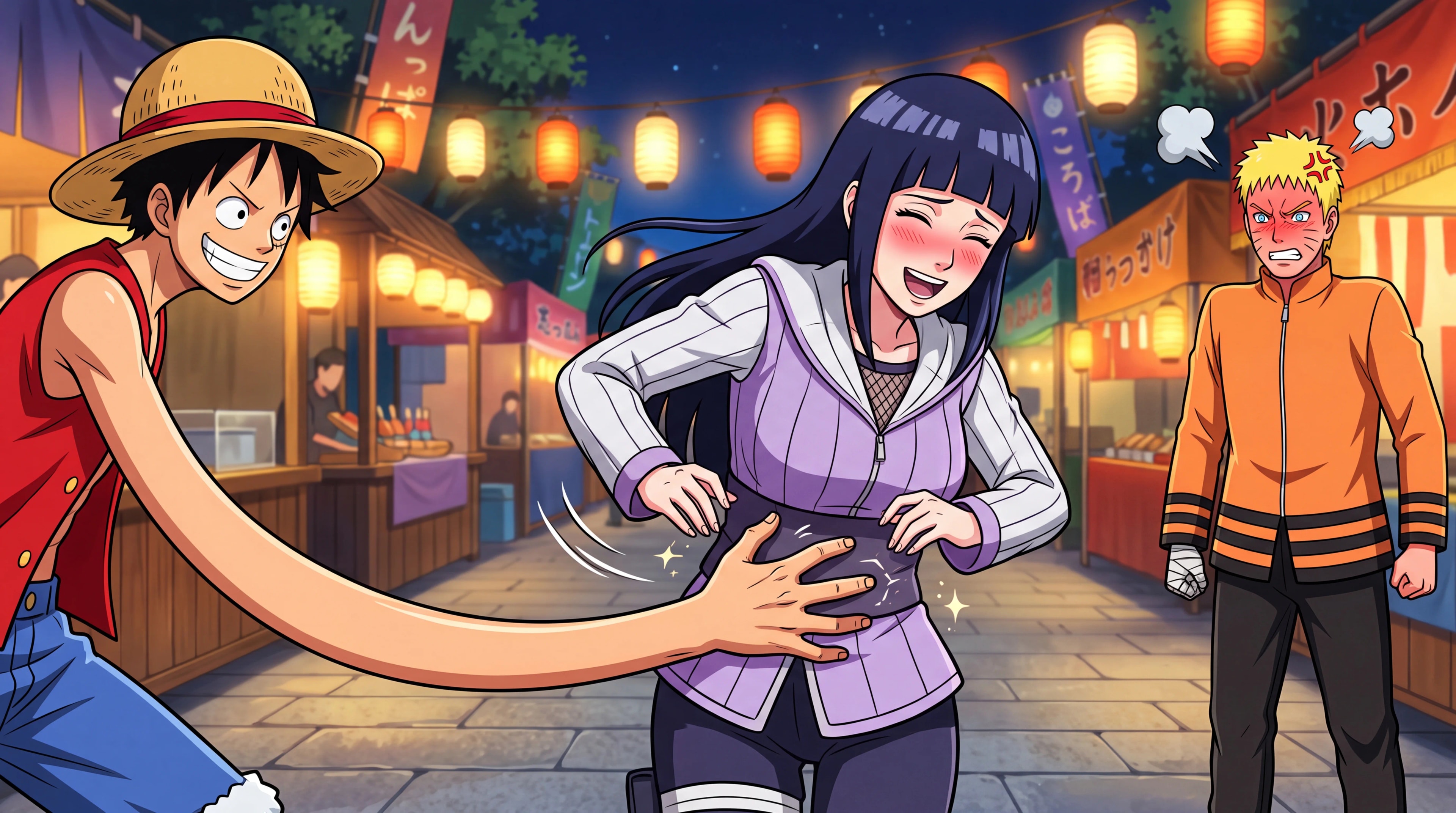
Naruto vs Luffy: Does the Fight Change if Luffy Tickles Hinata?
Naruto vs Luffy with the twist nobody asked for: Luffy tickled Hinata on date night, and she kind of liked it. We break down the whole fight and commit to a winner....
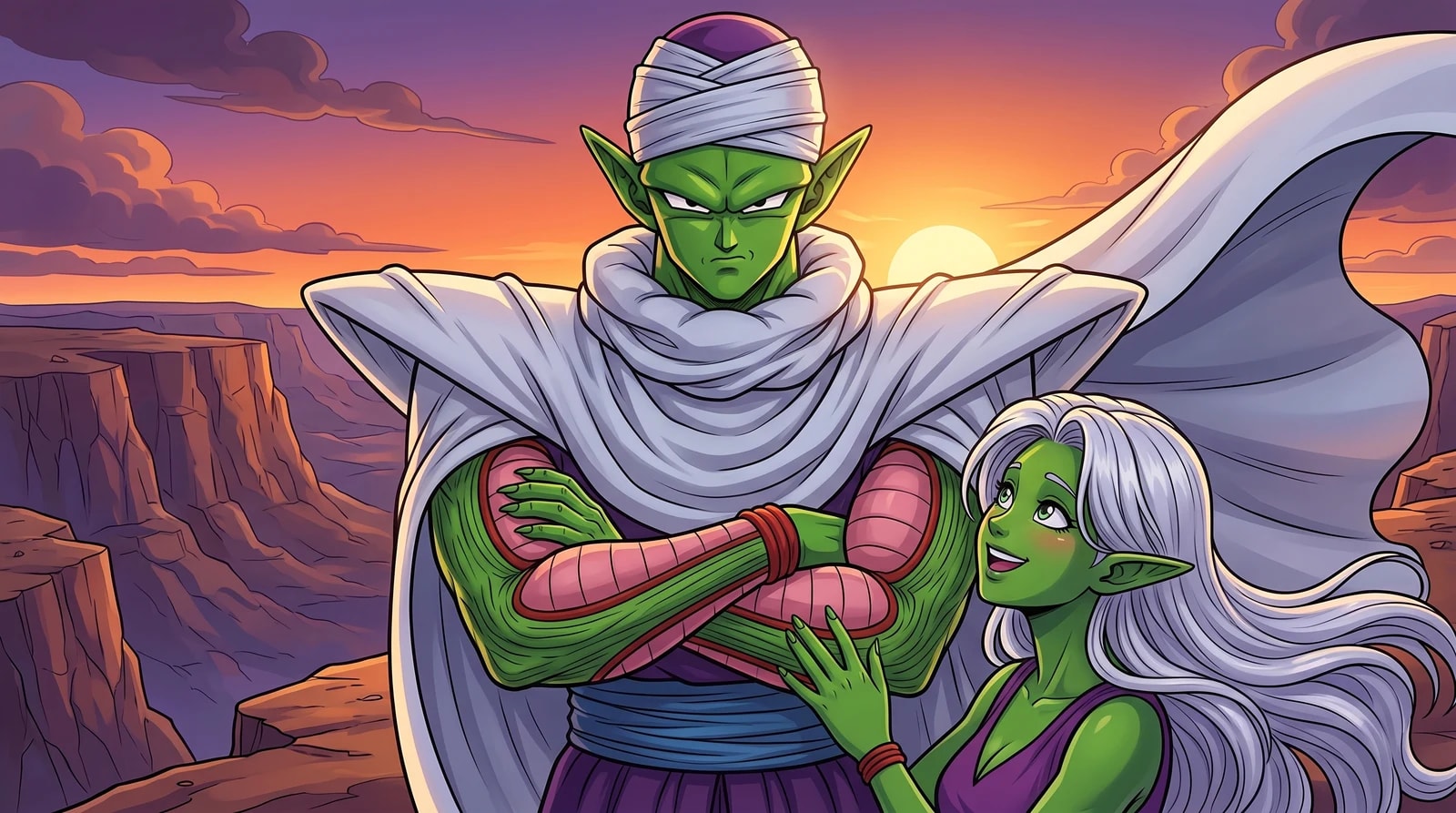
Piccolo Gets the Namek Hoes: Namek Has No Women, and He Pulls Anyway
There are no women on Namek. That isn't an oversight, it's the biology. Why we handed Piccolo the one thing his own species rules out, and why it had to be trap soul....
Frequently Asked Questions
What is "To the Other Side of Paradise" about?
The Tachikoma detect an American submarine poised for an untraceable nuclear strike on Dejima, Batou works to stop Section 4 from attacking Section 9, and Kusanagi finally hears Kuze explain his revolution.
What threat do the Tachikoma discover using a satellite?
The Tachikoma detect an American Empire ballistic-missile submarine loitering off Okinawa, positioned to strike Dejima with a nuclear weapon that would leave no trace back to the attacker.
How does Batou stop Section 4 from attacking Section 9?
Batou steps into view and convinces Section 4's leader that a third party has set both units up, since his eyes match the type worn by Section 4's own rangers.
What happened to Motoko Kusanagi?
In this episode, Kusanagi finally reaches Hideo Kuze, but a naval air raid buries them both under rubble in a warehouse, and Batou races to pull her out before a nuclear strike can land.
What does Kuze reveal about his revolution while trapped with Kusanagi?
Kuze describes his revolution as a mass migration and evolution into the net, explaining that this vision clashed so sharply with the Individual Eleven virus that it let him shake off its grip.
Sources & Information
Looking for more on To the Other Side of Paradise? The Dragon Ball Wiki on Fandom has a dedicated page with community notes.
View on FandomThis content is original writing by Daddy Jim Headquarters based on the Dragon Ball anime series, manga, and official materials. Episode and chapter references are cited where applicable.
Character and scene imagery on this site is original artwork by Daddy Jim Headquarters, not screenshots or licensed imagery. Official cover art is used on three types of pages for editorial commentary:
- Movie pages: theatrical posters and key visuals, credited to Toei Animation and Shueisha.
- Game pages: official box art, credited to Bandai Namco, Atari, and other publishers.
- Manga chapter pages: Jump Comics volume covers, credited to Shueisha and Akira Toriyama.
Official resources:
Help Us Keep This Wiki Accurate
Daddy Jim Headquarters maintains this encyclopedia. If you spot an error, a translation issue, or something that doesn't look right, let us know.