Ball Breaker
CharacterBall Breaker appears in Steel Ball Run, the seventh part of the series, as the visible form of Spin energy drawn from Gyro Zeppeli's steel balls. Summoned through a sealed family throwing technique, it ages whatever it touches into rapid decay.
Overview
Ball Breaker surfaces in Steel Ball Run, the seventh part of the series, as a close-range Stand wielded by Gyro Zeppeli. Unlike a typical Stand tied to one person, it is the made-visible form of Spin energy drawn out of Gyro's steel balls, called forth through a sealed throwing method of the Zeppeli family that reaches past the barriers between dimensions. In principle any master of the Spin could summon it, given how demanding the requirements are.
The apparition itself is compact, close to the size of the ball that births it. Its hunched, roughly humanoid body ends in paw or hoof-like feet, its face is dotted with eyes scattered in no set pattern, and twin comma-shaped growths curl from the sides of its head in a nod to the golden spiral. A haze of crackling energy, like static discharge, usually wreathes it, and it renders in green with pink accents.
Mechanics
Little of the Stand's full range is documented, since it manifests only once and even then through a defective steel ball that left the technique incomplete. What is clear is that it channels the immense energy a steel ball gathers when hurled with the Golden Spin, the throw aligned with the golden rectangles formed by both horse and rider. That reservoir of force is potent enough to breach dimensional walls, including the one shielding D4C - Love Train.
The single confirmed effect is a violent acceleration of aging. Wherever Ball Breaker makes contact, the target withers within moments, decades collapsing into seconds, and the decay spreads to that person's Stand as well as their flesh.

Notable Users
Gyro Zeppeli is the one shown summoning Ball Breaker, producing it through the family's dimension-piercing throw during his climactic clash. He directs its aging touch at Funny Valentine, though the flawed steel ball he uses keeps the technique from reaching its true potential.
Related Reading
See all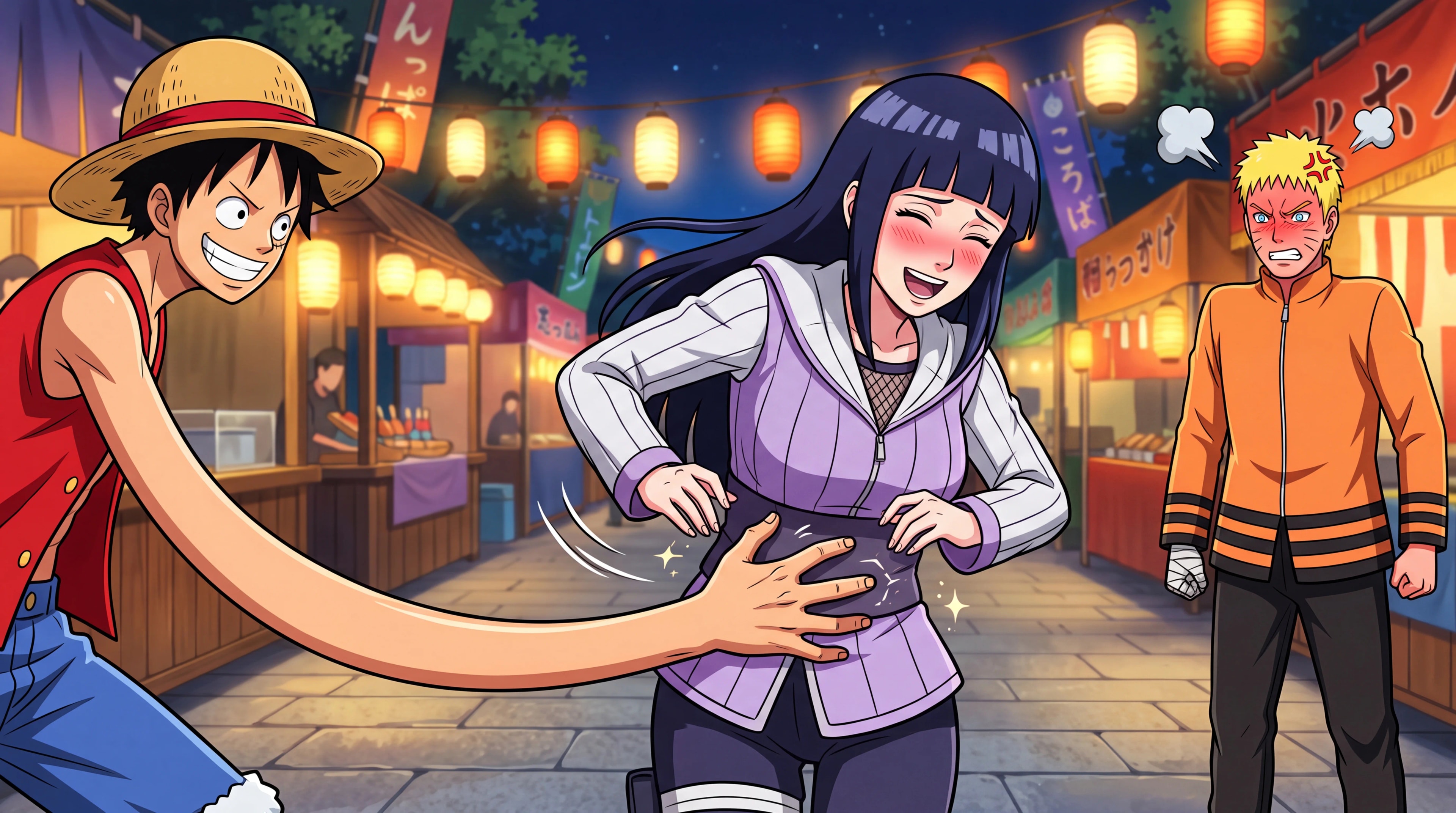
Naruto vs Luffy: Does the Fight Change if Luffy Tickles Hinata?
Naruto vs Luffy with the twist nobody asked for: Luffy tickled Hinata on date night, and she kind of liked it. We break down the whole fight and commit to a winner....
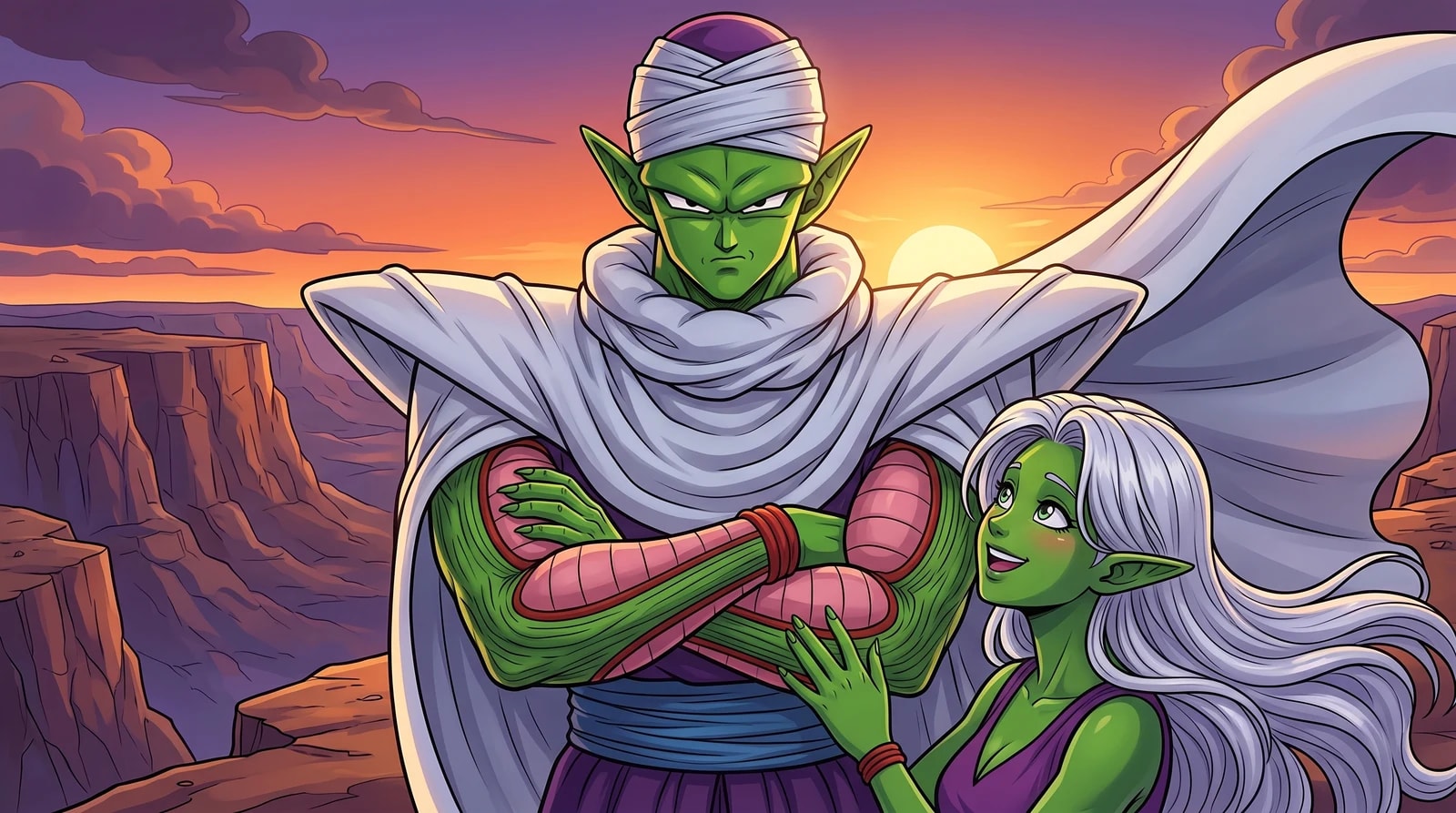
Piccolo Gets the Namek Hoes: Namek Has No Women, and He Pulls Anyway
There are no women on Namek. That isn't an oversight, it's the biology. Why we handed Piccolo the one thing his own species rules out, and why it had to be trap soul....
Frequently Asked Questions
What do Gyro Zeppeli's steel balls do?
Gyro Zeppeli's steel balls channel Spin energy that can be summoned into Ball Breaker, a manifestation that rapidly ages anything it touches. When thrown with the Golden Spin, the balls generate enough force to breach dimensional barriers.
How did Gyro get his Stand?
Gyro Zeppeli summons Ball Breaker through a sealed throwing technique of the Zeppeli family that channels Spin energy from his steel balls across dimensional barriers. It is not a Stand tied only to him, since in principle any sufficiently skilled Spin user could summon it.
What does Ball Breaker do when it touches a target?
Ball Breaker causes violent, accelerated aging wherever it makes contact, withering a target within moments as decades of decay collapse into seconds. The effect spreads to both the target's body and their Stand.
In which JoJo's Bizarre Adventure part does Ball Breaker appear?
Ball Breaker appears in Steel Ball Run, the seventh part of JoJo's Bizarre Adventure, where Gyro Zeppeli summons it during his climactic clash with Funny Valentine.
Why couldn't Ball Breaker reach its full potential?
Ball Breaker manifests only once in the story, and even then through a defective steel ball that left the technique incomplete, keeping the Stand from reaching its true potential against Funny Valentine.
Sources & Information
Looking for more on Ball Breaker? The Dragon Ball Wiki on Fandom has a dedicated page with community notes.
View on FandomThis content is original writing by Daddy Jim Headquarters based on the Dragon Ball anime series, manga, and official materials. Episode and chapter references are cited where applicable.
Character and scene imagery on this site is original artwork by Daddy Jim Headquarters, not screenshots or licensed imagery. Official cover art is used on three types of pages for editorial commentary:
- Movie pages: theatrical posters and key visuals, credited to Toei Animation and Shueisha.
- Game pages: official box art, credited to Bandai Namco, Atari, and other publishers.
- Manga chapter pages: Jump Comics volume covers, credited to Shueisha and Akira Toriyama.
Official resources:
Help Us Keep This Wiki Accurate
Daddy Jim Headquarters maintains this encyclopedia. If you spot an error, a translation issue, or something that doesn't look right, let us know.