Elasticity
CharacterElasticity is the Quirk carried by Danjuro Tobita, the self-styled gentleman thief. A single touch is enough to turn any surface springy, and he builds that one trick into escape routes, floating walls, and trampolines that fling both himself and his pursuers wherever he pleases.
Overview
Registered as an Emitter type with contact-based range, Elasticity hands its user one deceptively simple power: whatever Danjuro Tobita lays a hand on gains spring. Solid matter, open air, and even his own wardrobe all qualify. The Quirk arrives in Chapter 176 of the manga and reaches the anime in Episode 81.
Because the effect is granted rather than generated, Danjuro fights less like a bruiser and more like a stage magician, shaping the battlefield instead of striking it. It reads as the inverse of Pliabody, which springs the body of its owner rather than everything around them.

Mechanics
Anything Danjuro touches can be given bounce, and he uses that to reroute momentum. A crane treated with the Quirk becomes a slingshot capable of hurling him across long distances. Ground treated with it robs pursuers of stable footing while letting him travel in hops.
Springy panels can be planted in empty air as well, and those floating sheets double as barriers. Anything striking one is thrown back the way it came, and Danjuro himself uses them as stepping stones for aerial travel. Since air is invisible and only a touch is needed, opponents rarely register the moment he sets a trap, and his theatrical gestures hide the setup. Applying spring to his cape stops enemies from yanking him off balance.
The glaring flaw is that he cannot switch the property off. Treated surfaces stay bouncy until the effect expires on its own, so an enemy who learns to ride the rebound can borrow the same advantage he built for himself.
Related Reading
See all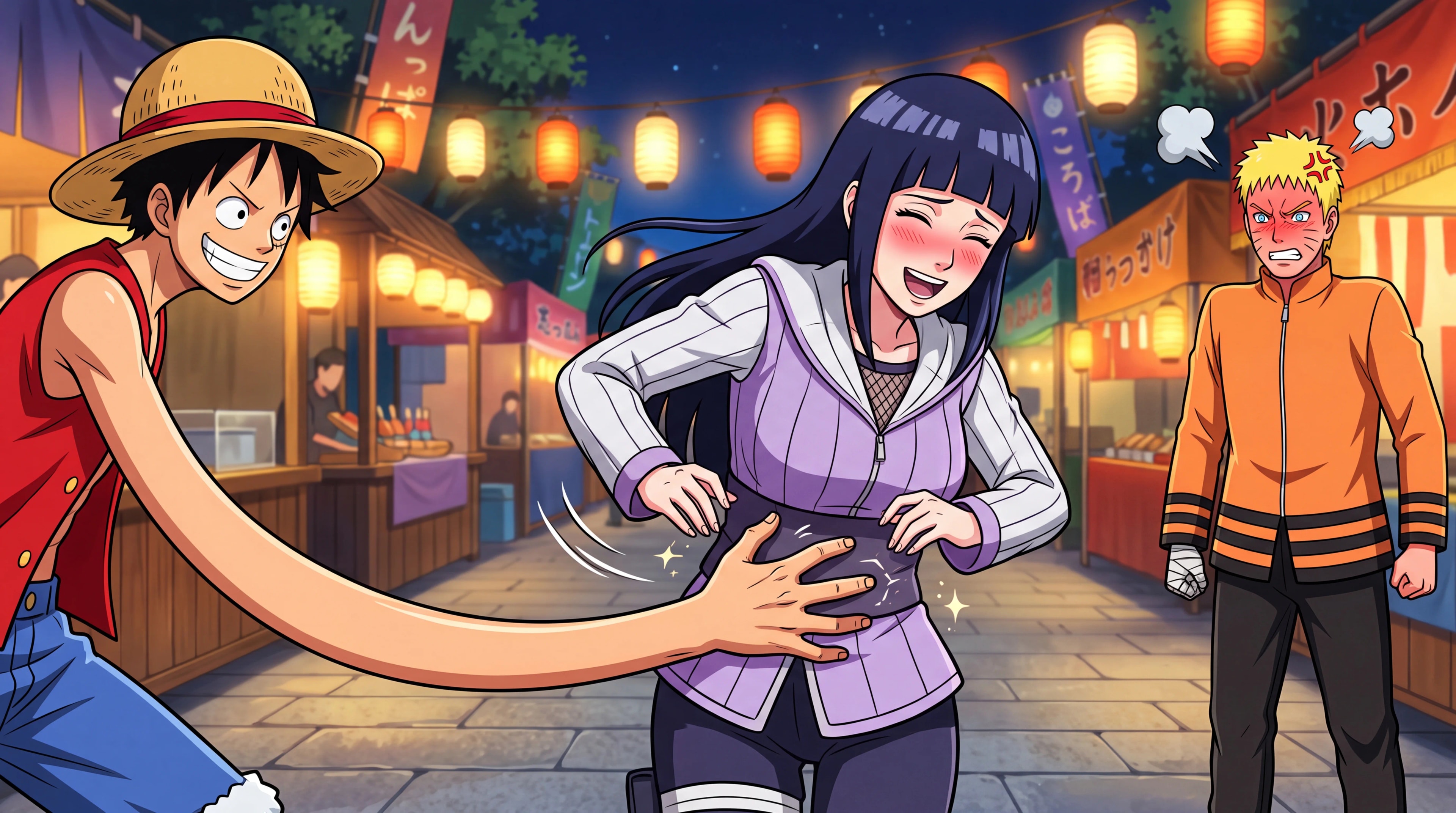
Naruto vs Luffy: Does the Fight Change if Luffy Tickles Hinata?
Naruto vs Luffy with the twist nobody asked for: Luffy tickled Hinata on date night, and she kind of liked it. We break down the whole fight and commit to a winner....
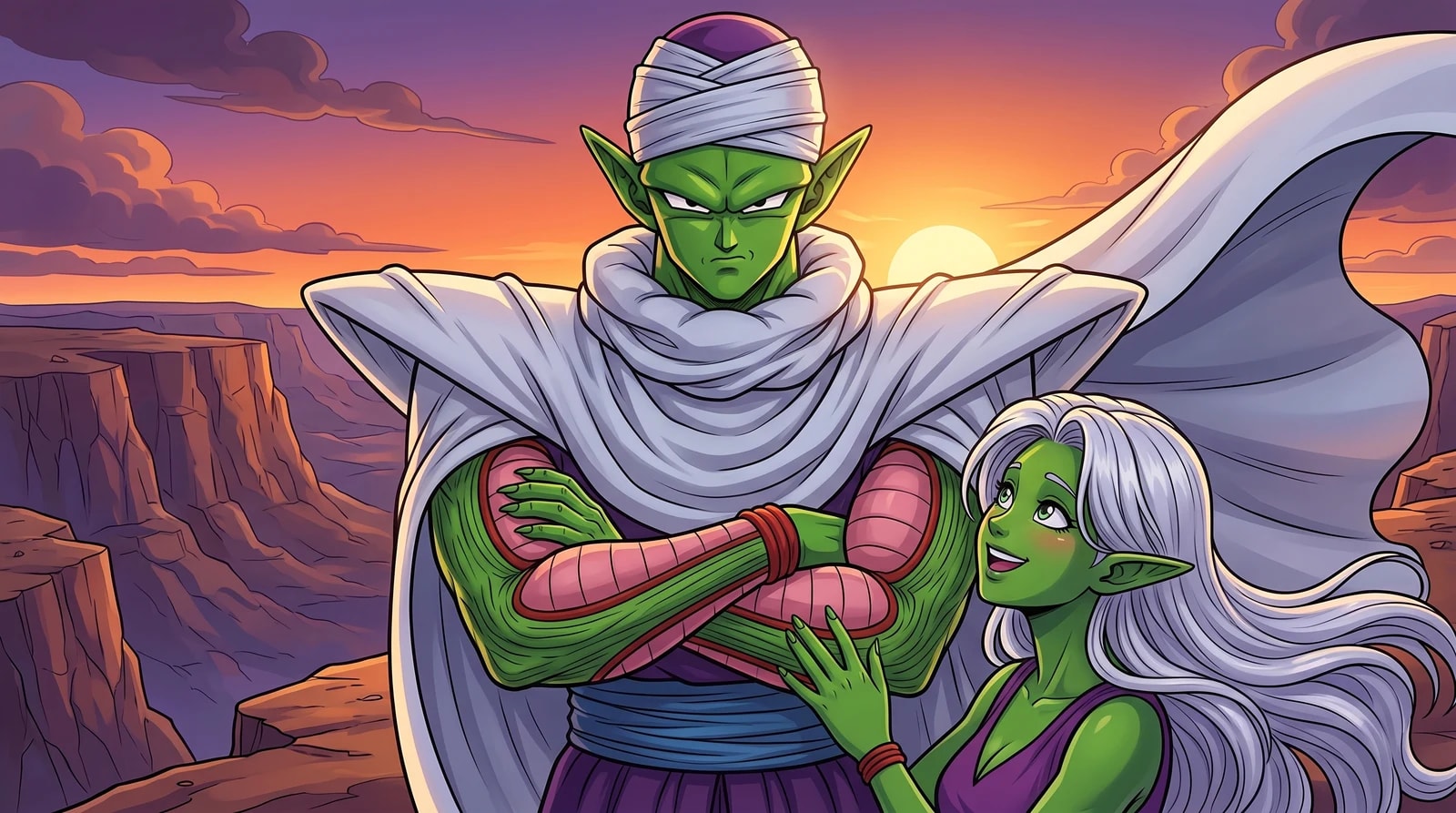
Namek Has No Women, and Piccolo Pulls Anyway
There are no women on Namek. That isn't an oversight, it's the biology. Why we handed Piccolo the one thing his own species rules out, and why it had to be trap soul....
Notable Users
Danjuro Tobita is the sole owner. He leaned on the Quirk mostly to vanish from crime scenes and to handle anyone who tried to stop him, and with Manami Aiba boosting him through Lover Mode he proved skilled enough to overcome several Pro Heroes at once.
His named techniques include Gently Rebound, an airborne springboard that flings whoever collides with it away; Gently Trampoline, which converts the ground into a launcher for enemies or for his own travel; and Gently Sandwich, a stack of aerial barriers used to pin a target underneath. Powered by Lover Mode he can produce Gently Super-Lover, an air trampoline so vast that a whole airborne island comes to rest on it.
Frequently Asked Questions
Who has the Elasticity Quirk in My Hero Academia?
Danjuro Tobita, a self-styled gentleman thief, is the sole known holder of the Elasticity Quirk.
What does the Elasticity Quirk do?
Elasticity lets Danjuro Tobita give bounce to anything he touches, including solid surfaces, open air, and even his own clothing, turning the battlefield into slingshots, floating barriers, and trampolines.
What is the drawback of the Elasticity Quirk?
Danjuro Tobita cannot switch the bounce off once it is applied. A treated surface stays springy until the effect wears off on its own, letting an alert opponent exploit the same rebound he set up.
What are Danjuro Tobita's named Elasticity techniques?
Danjuro Tobita's named techniques include Gently Rebound, Gently Trampoline, Gently Sandwich, and, when boosted by Manami Aiba's Lover Mode, the far larger Gently Super-Lover.
How is Elasticity different from Pliabody?
Elasticity grants bounce to whatever Danjuro Tobita touches, which makes it effectively the reverse of Pliabody, a Quirk that makes its own user's body springy rather than external objects.
Sources & Information
Looking for more on Elasticity? The My Hero Academia Wiki on Fandom has a dedicated page with community notes.
View on FandomThis content is original writing by Daddy Jim Headquarters based on the My Hero Academia anime series, manga, and official materials. My Hero Academia was created by Kohei Horikoshi, published by Shueisha, and animated by Bones. All rights to My Hero Academia and its characters belong to their respective owners. Episode and chapter references are cited where applicable.
Rights holders
All rights belong to their respective owners.
Character and scene imagery on this site is original artwork by Daddy Jim Headquarters, not screenshots or licensed imagery. Official cover art is used on three types of pages for editorial commentary:
- Movie pages: theatrical posters and key visuals, credited to Bones and Shueisha.
- Game pages: official box art, credited to the game's respective publishers.
- Manga chapter pages: volume covers, credited to Shueisha and Kohei Horikoshi.
Official resources:
Help Us Keep This Wiki Accurate
Daddy Jim Headquarters maintains this encyclopedia. If you spot an error, a translation issue, or something that doesn't look right, let us know.