Love
CharacterLove turns a genuine confession into raw physical power for whoever receives it, scaling with how deeply the user actually feels. Manami Aiba can spend it only once a day and never on herself, which makes every use a decision rather than a reflex.
Overview
Love is a target-based Emitter Quirk carried by Manami Aiba. It enters the manga in Chapter 178 and the anime in Episode 81, with its full workings unpacked across the chapters that follow. The Quirk is unusual among Emitters in that its trigger is emotional honesty rather than any physical action.

Mechanics
The user declares her feelings to someone she loves, and that person is strengthened by the declaration. Depth of feeling sets the ceiling: the more fiercely she loves, the more power crosses over. Recipients come away noticeably faster and stronger than they were, a condition Manami and Danjuro Tobita call Lover Mode. While it holds, heart-shaped smoke curls around the empowered body.
Distance is irrelevant. Danjuro slipped into Lover Mode on nothing more than her voice carried over a comms link, with the two of them at opposite ends of the country.
Three restrictions keep it honest. The Quirk fires once in any twenty-four hour stretch, which reduces it to a card held in reserve. It cannot be turned inward, so Manami gains nothing from her own ability and can only lift up someone else. And the affection has to be real, because a confession without true feeling behind it simply will not trigger anything.
Related Reading
See all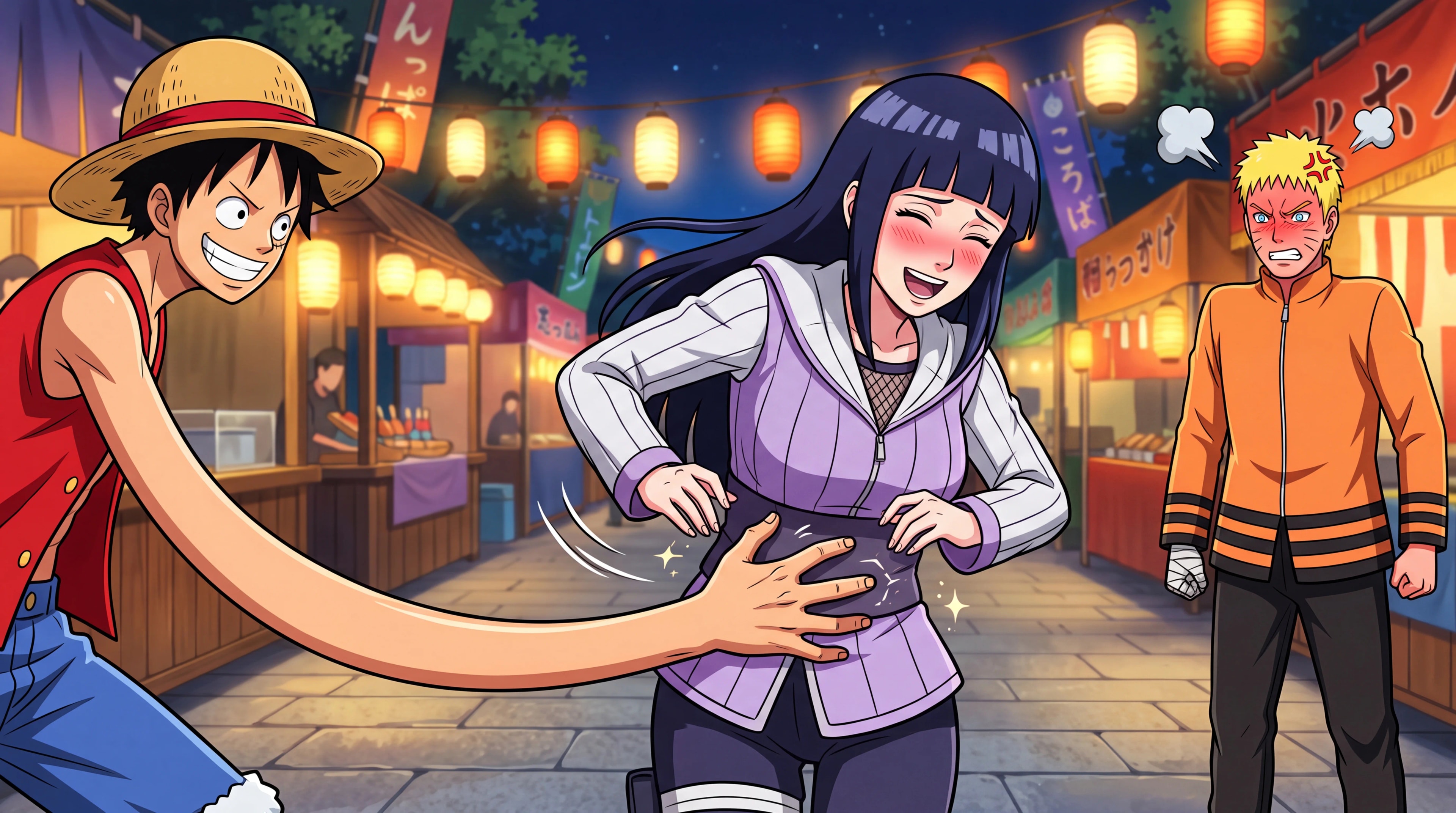
Naruto vs Luffy: Does the Fight Change if Luffy Tickles Hinata?
Naruto vs Luffy with the twist nobody asked for: Luffy tickled Hinata on date night, and she kind of liked it. We break down the whole fight and commit to a winner....
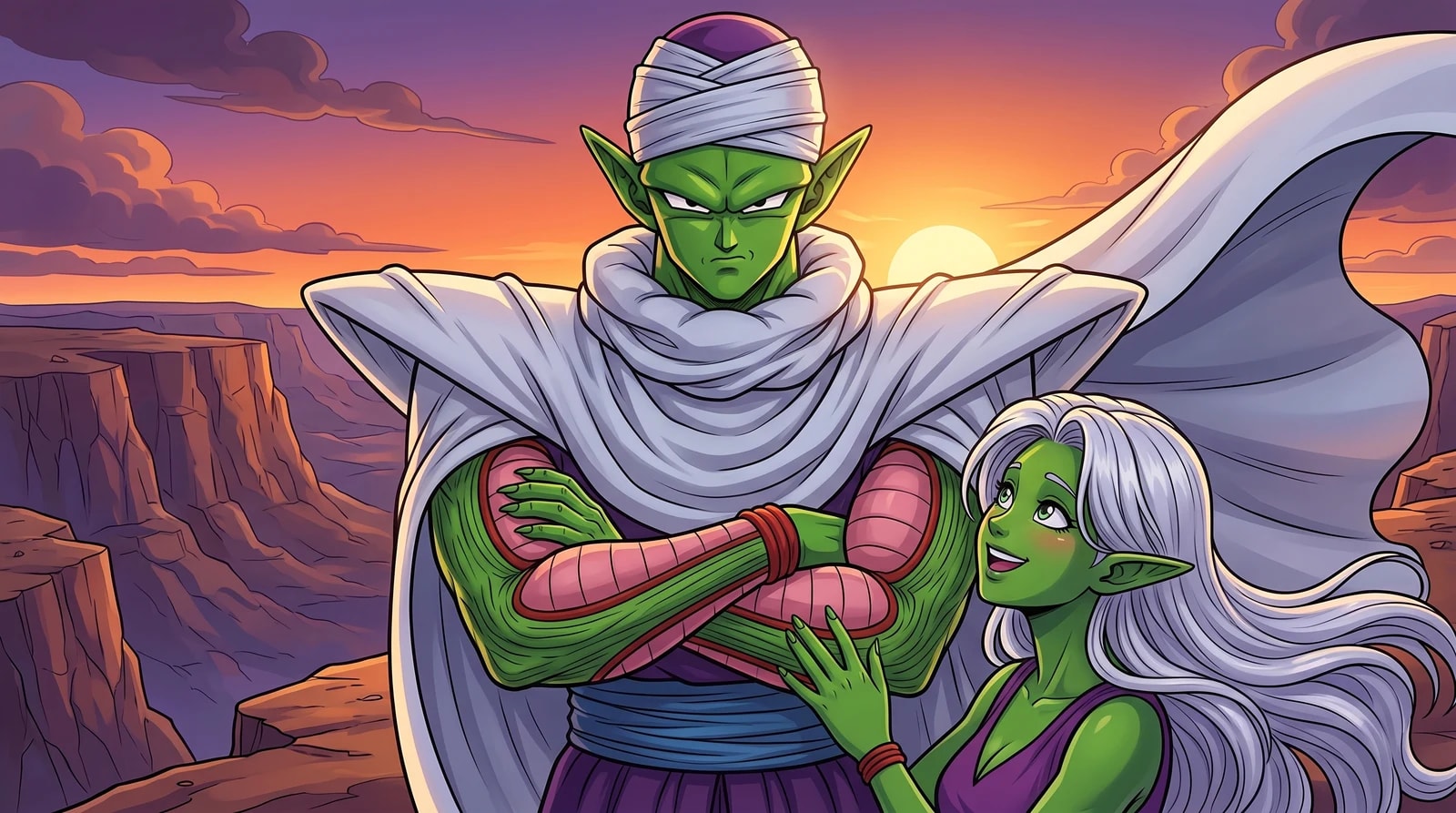
Namek Has No Women, and Piccolo Pulls Anyway
There are no women on Namek. That isn't an oversight, it's the biology. Why we handed Piccolo the one thing his own species rules out, and why it had to be trap soul....
Notable Users
Manami Aiba holds the Quirk, and Danjuro Tobita, known publicly as Gentle Criminal, is the man she loves most and therefore its usual beneficiary. Both treat it as a last resort given the daily limit.
Its first outing comes during their scheme to derail the U.A. School Festival, where they take on Izuku Midoriya. Lover Mode gives them the early advantage, but Izuku recovers and pins Danjuro down regardless of the boost. Much later, in the Final War, Manami spends it on Danjuro again, and the strength he gains lets him throw in with the Heroes, catching U.A. High School in mid-air before the drifting campus can plunge into the sea.
Frequently Asked Questions
What is the Love Quirk in My Hero Academia?
Love is a target-based Emitter Quirk belonging to Manami Aiba that turns a genuine confession of feelings into raw physical power for the person she confesses to.
Who has the Love Quirk in My Hero Academia?
Manami Aiba possesses the Love Quirk, and she typically uses it on Danjuro Tobita, publicly known as the villain Gentle Criminal.
How does the Love Quirk work?
Manami Aiba declares her feelings to someone she loves, and the strength of the boost depends on how deeply she actually feels, putting the recipient into a state called Lover Mode where they become noticeably faster and stronger.
What are the limits of the Love Quirk?
The Love Quirk can only be used once every twenty-four hours, cannot be turned on Manami Aiba herself, and only works if the confessed feeling is genuine.
How was the Love Quirk used in My Hero Academia?
Manami Aiba first used the Love Quirk to boost Danjuro Tobita during their scheme against Izuku Midoriya at the U.A. School Festival, and later used it again during the Final War to give him the strength to catch U.A. High School before it fell into the sea.
Sources & Information
Looking for more on Love? The My Hero Academia Wiki on Fandom has a dedicated page with community notes.
View on FandomThis content is original writing by Daddy Jim Headquarters based on the My Hero Academia anime series, manga, and official materials. My Hero Academia was created by Kohei Horikoshi, published by Shueisha, and animated by Bones. All rights to My Hero Academia and its characters belong to their respective owners. Episode and chapter references are cited where applicable.
Rights holders
All rights belong to their respective owners.
Character and scene imagery on this site is original artwork by Daddy Jim Headquarters, not screenshots or licensed imagery. Official cover art is used on three types of pages for editorial commentary:
- Movie pages: theatrical posters and key visuals, credited to Bones and Shueisha.
- Game pages: official box art, credited to the game's respective publishers.
- Manga chapter pages: volume covers, credited to Shueisha and Kohei Horikoshi.
Official resources:
Help Us Keep This Wiki Accurate
Daddy Jim Headquarters maintains this encyclopedia. If you spot an error, a translation issue, or something that doesn't look right, let us know.