Tail
CharacterTail hands Mashirao Ojiro a thick prehensile limb that works as a full third arm, strong enough to snap metal and hold his whole body aloft. Folded into his martial arts, it makes him an acrobatic close-range fighter, at the cost of a permanent mutation he cannot put away.
Overview
Mashirao Ojiro's Quirk is a Mutant type of close range, first appearing in Chapter 8 and Episode 5. What it gives him is a prehensile appendage growing out of his lower back.
His version runs heavy. It outsizes every one of his ordinary limbs in both length and width, and it finishes in a blonde tuft matching the hair on his head.
Mechanics
Treat the appendage as a third limb and the picture is accurate. It breaks metal objects, wraps around opponents to hold them, and bears Mashirao's full weight without strain. He has pointed with the tuft at its tip the way a person points with a finger, though whether it manages anything finer than that has never been confirmed.
Training built it up. He spent long stretches hammering the limb against a hardened Eijiro Kirishima, and every impact left it stronger and more durable than before.
The drawbacks are ordinary ones. It bruises and tears like any other part of him, and because the mutation is permanent he struggles to sit down or lie flat. Off-the-rack clothing does not fit either; his wardrobe has to be cut for his anatomy.
Notable Users
Mashirao alone uses Tail. He blends it with martial arts to fight fast and acrobatically at close quarters, driving the limb into opponents directly or leaning on it to steer his own momentum. Ectoplasm has flagged a flaw in this: people born with tails tend to settle into repeatable movement patterns, and Mashirao reads as predictable because of it.
Mobility is where the Quirk shines. A hard slap against the ground launches him over obstacles on the floor, and he can hang from pipes or poles by coiling the limb around them. Two Ultimate Moves formalize the approach. Tornado Tail Dance spins him through the air, sweeping everything within reach, first used to destroy Pony Tsunotori's remote-controlled horns at the Joint Training Battle. Swamp Smack Spin is the defensive one, a flat horizontal rotation with the limb extended that shoves back anything nearby; he escaped Juzo Honenuki's Softening with it.
Related Reading
See all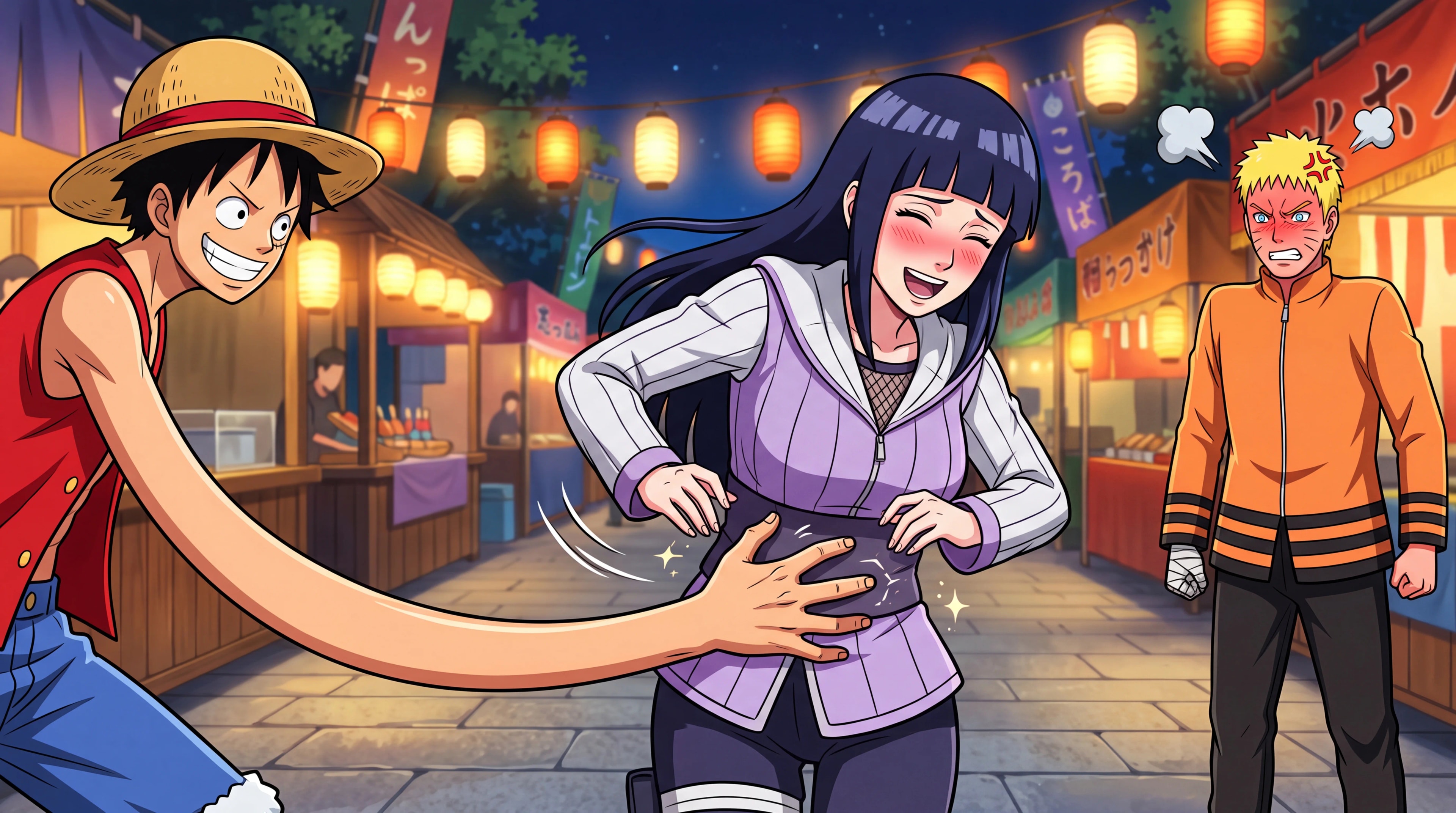
Naruto vs Luffy: Does the Fight Change if Luffy Tickles Hinata?
Naruto vs Luffy with the twist nobody asked for: Luffy tickled Hinata on date night, and she kind of liked it. We break down the whole fight and commit to a winner....
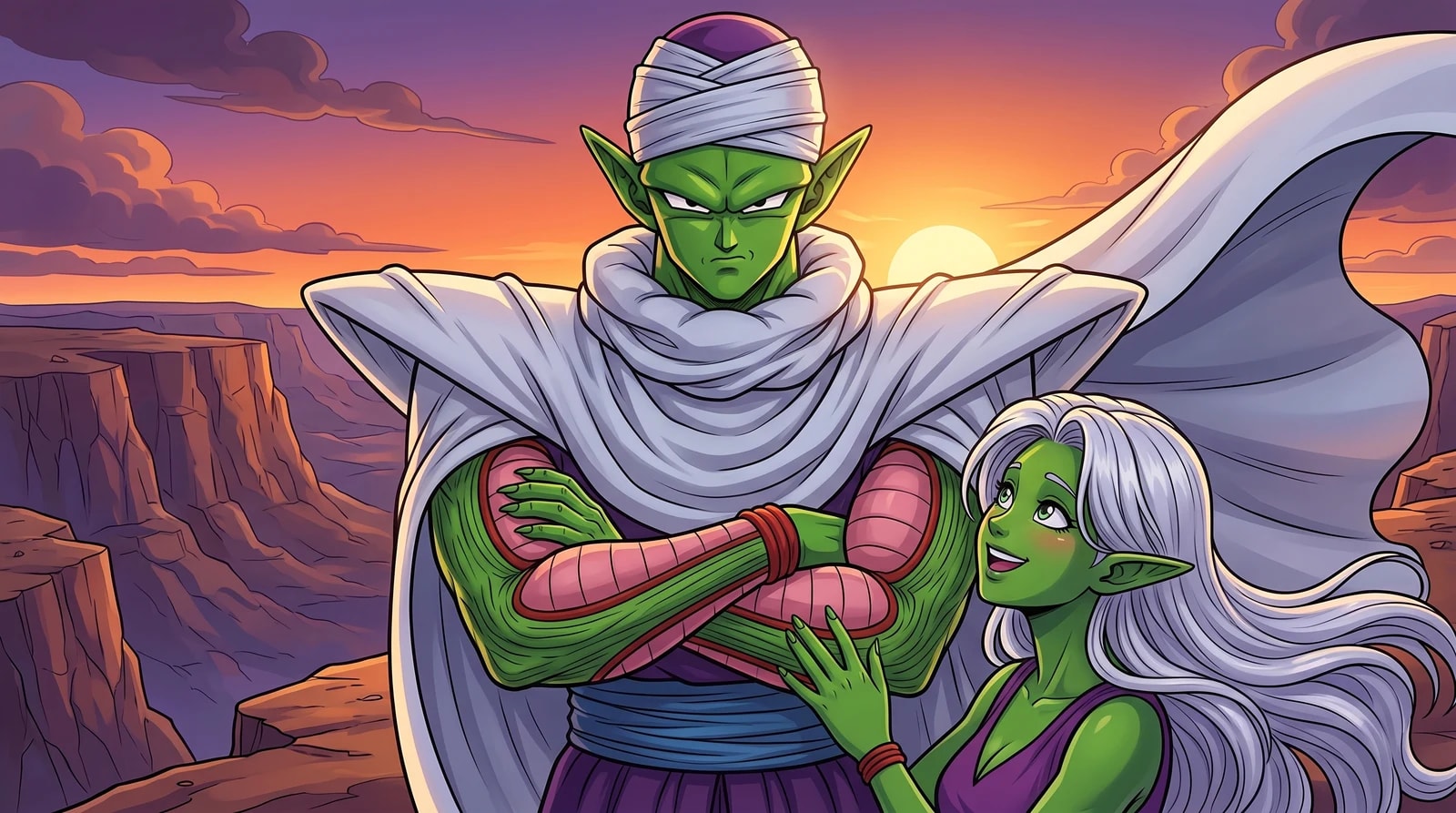
Piccolo Gets the Namek Hoes: Namek Has No Women, and He Pulls Anyway
There are no women on Namek. That isn't an oversight, it's the biology. Why we handed Piccolo the one thing his own species rules out, and why it had to be trap soul....
Frequently Asked Questions
Who has a tail in My Hero Academia?
Mashirao Ojiro is the character with a tail in My Hero Academia. It is a thick, prehensile Mutant Quirk that grows from his lower back and functions as a third arm.
Why does Ojiro have a tail?
Ojiro's tail comes from his Mutant Quirk, simply called Tail, which is a permanent physical trait rather than something he can activate or remove. Because the mutation never goes away, it even complicates ordinary things like sitting down or finding clothes that fit.
What can Ojiro do with his Tail Quirk?
Ojiro can use his tail to snap metal objects, wrap around and restrain opponents, and support his full body weight. A hard slap of the tail against the ground can also launch him over obstacles, and he can hang from poles by coiling it around them.
What are Ojiro's signature tail attacks?
Ojiro's two Ultimate Moves are Tornado Tail Dance, an aerial spin that sweeps everything within reach, and Swamp Smack Spin, a defensive horizontal rotation that pushes back nearby attackers.
What is a weakness of Ojiro's Tail Quirk?
Ojiro's tail can be bruised or torn like any other body part, and Ectoplasm has pointed out that his fighting style tends to fall into predictable, repeatable patterns. The permanent mutation also forces him to wear tailor-made clothing.
Sources & Information
Looking for more on Tail? The Dragon Ball Wiki on Fandom has a dedicated page with community notes.
View on FandomThis content is original writing by Daddy Jim Headquarters based on the Dragon Ball anime series, manga, and official materials. Episode and chapter references are cited where applicable.
Character and scene imagery on this site is original artwork by Daddy Jim Headquarters, not screenshots or licensed imagery. Official cover art is used on three types of pages for editorial commentary:
- Movie pages: theatrical posters and key visuals, credited to Toei Animation and Shueisha.
- Game pages: official box art, credited to Bandai Namco, Atari, and other publishers.
- Manga chapter pages: Jump Comics volume covers, credited to Shueisha and Akira Toriyama.
Official resources:
Help Us Keep This Wiki Accurate
Daddy Jim Headquarters maintains this encyclopedia. If you spot an error, a translation issue, or something that doesn't look right, let us know.