Underground Masquerade Arc
CharacterA detective reopens a seven-year-old file and finds an illegal fight ring in an Osaka parking structure, a hero working it undercover, and a shadow harvesting Quirks from the losers. The answer he assembles is the one he was never meant to reach.
Overview
The tenth arc of My Hero Academia: Vigilantes, running from Chapter 86 to Chapter 94. It follows the Final Performance Arc and precedes the Naruhata Lockdown Arc.
Framed as Eizo Tanuma reviewing an old case, the arc is largely a flashback to an operation he ran with the hero O'Clock against an underground fighting circuit built on Trigger. It supplies the first clear look at who has been standing behind the Villain Factory the whole time.
Summary
In the present, Eizo learns from Sansa Tamakawa that the hospital's secure ward was funded years earlier by a donor named Takeshi Kuroiwa, an alias he recognizes as Iwao Oguro's. He opens an envelope of old photographs and remembers a piece of advice about caution never being sufficient on its own.
Seven years back, masked spectators fill an Osaka parking structure to watch fights with no rules, where injuries are routine and competitors sometimes disappear. O'Clock's target is not the arena but the Quirk-boosting drugs sold through it, so he enters disguised as a knife fighter called The Ripper while Eizo's police hold an escape route outside. His opponent is a twenty-and-zero brawler billed as The Rapper, who objects to weapons on principle. O'Clock uses Overclock to read him, ditches the knife and the mask in a way that looks like defeat, then throws the fight to reach the sick bay where the losers are taken.
There the staff offer to inject him with a booster cocktail. He seizes the needle, drops the guards, photographs the documents, and is stopped on the way out by The Rapper, who splits the purse with him and demands a real rematch. He is refused, and answers that life is dull without a bit of stupid.
Rumi Usagiyama, a hero student on a school trip from Hiroshima, follows the scent of a fight, crashes the ring as Tiger Bunny, and levels the fighters, the crowd, and the staff. Gas floods the arena and every attendee's Quirk rages out of control while a black mist appears in front of each of them and a hand extracts what it finds. O'Clock snatches Rumi clear, reveals himself, and recruits the two of them under a hero's right to civilian aid.
Watching by camera, All For One recognizes Overclock as worth taking and dispatches the Hooded Man. O'Clock shoots the cameras out to blind him. The Hooded Man stretches his limbs, regenerates instantly, and outclasses both fighters, but his martial arts habits do not fit his Quirk and leave a lag O'Clock exploits, slicing muscle to pin him down while Rumi breaks out of the building with a message for Eizo: call All Might.
All Might arrives from Tokyo after his paging system lights up every mascot in the district. All For One, denied a clean view and unwilling to summon the Symbol of Peace any sooner, buys time by turning unconscious spectators into rampaging villains across the shopping district. All Might resolves nearly a hundred of them in three seconds, Kurogiri retrieves the screaming Hooded Man, and the operation collapses.


Aftermath
All For One restrains his own asset and diagnoses the failure: strength, agility, and regeneration faded within minutes, and a brawler's commitment interferes with shape-shifting. The Hooded Man goes to the Doctor for further modification. He accepts the delay, since every step still leads toward All Might, and states plainly that Overclock will be his eventually and that he already knows the use he has in mind for it.
Outside, the temporary team splits. Rumi waves off any compensation, intending to make it as a professional herself, and warns The Rapper she will save her gentler kicks for men like him. He leaves to find a new playground, promising that a third meeting will not be friendly. O'Clock tells Eizo his Quirk suits intelligence gathering rather than combat, withholds details on the interference, and says caution alone will not cover what is coming.
Back in the present, Eizo connects the Masquerade to All For One and the secret showdown with All Might, then to everything since: the Instant Villain outbreaks around Naruhata, the Next-Level Villains that followed, the bombing at the tower, and Bee☆Pop's rampage. His conclusion is that the Villain Factory answers to the same mastermind as the old case. An archivist asks to see the documents, detonates them, and blows out the floor. The man is Number 6, who leaps clear with an imagined O'Clock congratulating him on erasing the past before anyone could act on it.
Related Reading
See all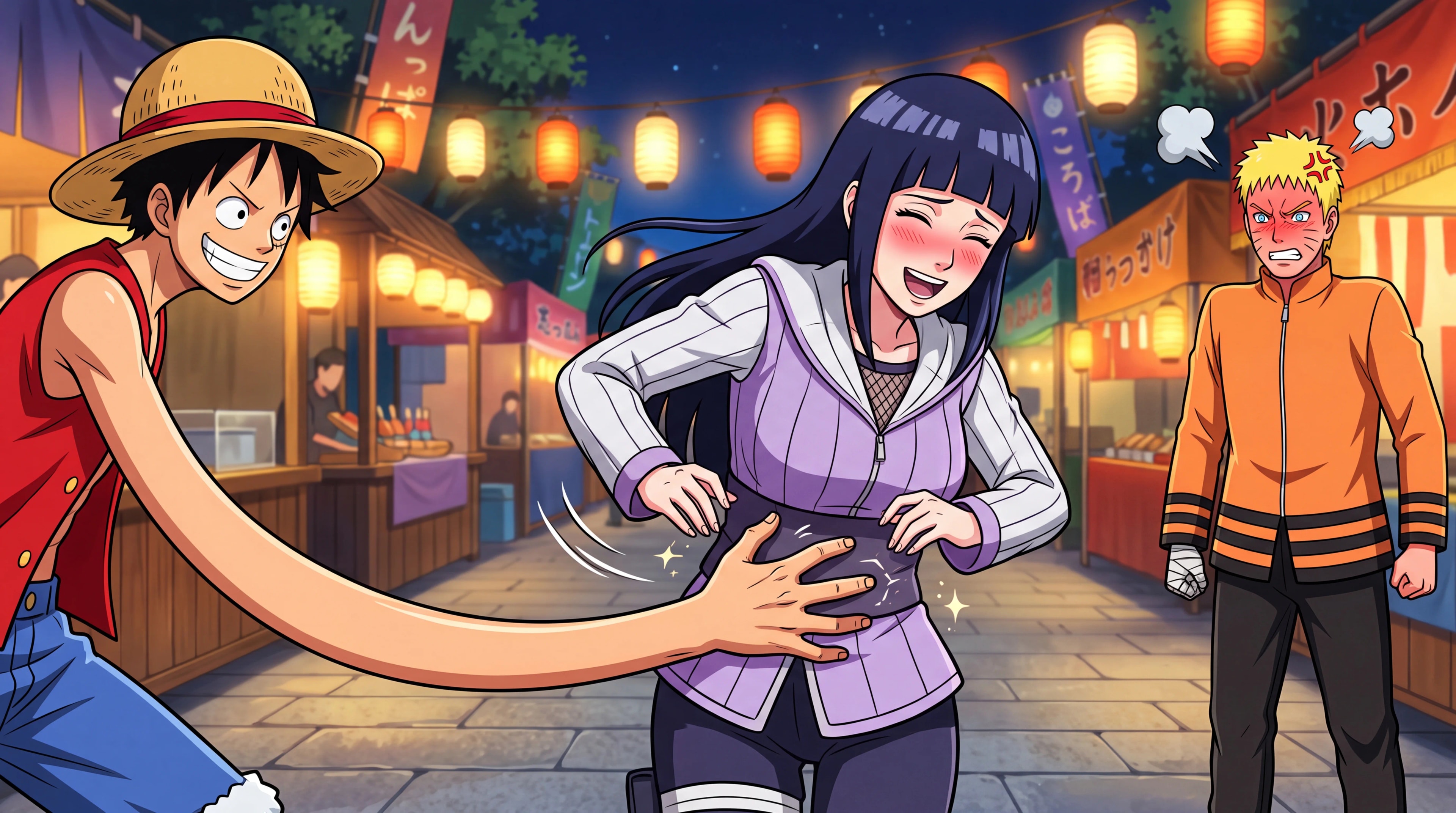
Naruto vs Luffy: Does the Fight Change if Luffy Tickles Hinata?
Naruto vs Luffy with the twist nobody asked for: Luffy tickled Hinata on date night, and she kind of liked it. We break down the whole fight and commit to a winner....
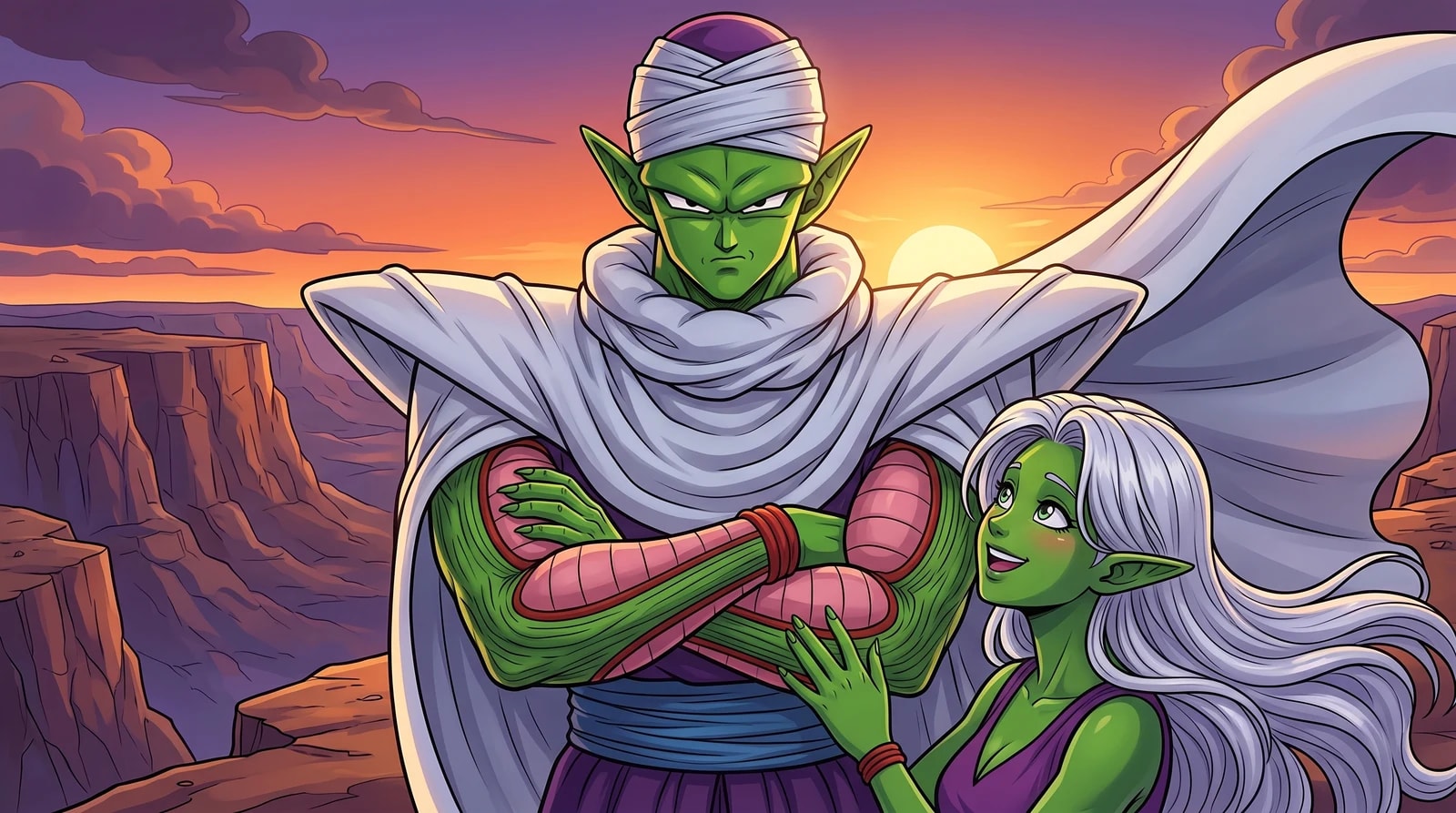
Piccolo Gets the Namek Hoes: Namek Has No Women, and He Pulls Anyway
There are no women on Namek. That isn't an oversight, it's the biology. Why we handed Piccolo the one thing his own species rules out, and why it had to be trap soul....
Frequently Asked Questions
What is the Underground Masquerade Arc in My Hero Academia: Vigilantes?
The Underground Masquerade Arc is the tenth arc of My Hero Academia: Vigilantes, covering Chapters 86 to 94, framed as Detective Eizo Tanuma reviewing an old case involving an illegal Osaka fighting ring built around the drug Trigger.
Who is behind the Underground Masquerade in Vigilantes?
All For One is revealed to be behind the Underground Masquerade, using it to harvest Quirks from the ring's beaten fighters through his operative, the Hooded Man.
What is O'Clock's role in the Underground Masquerade Arc?
The hero O'Clock goes undercover as a fighter called The Ripper to infiltrate the underground ring and expose the Trigger boosting drug operation being sold through it.
How does the Underground Masquerade Arc end?
All Might arrives and neutralizes nearly a hundred rampaging spectators within seconds, the operation collapses, and Detective Eizo Tanuma later connects the Masquerade to the same mastermind behind the Villain Factory.
Who is Number 6 in the Underground Masquerade Arc?
Number 6 is the archivist who destroys Eizo Tanuma's old case documents in the present day frame story, an agent working to erase evidence connecting the Masquerade to the ongoing Villain Factory investigation.
Sources & Information
Looking for more on Underground Masquerade Arc? The Dragon Ball Wiki on Fandom has a dedicated page with community notes.
View on FandomThis content is original writing by Daddy Jim Headquarters based on the Dragon Ball anime series, manga, and official materials. Episode and chapter references are cited where applicable.
Character and scene imagery on this site is original artwork by Daddy Jim Headquarters, not screenshots or licensed imagery. Official cover art is used on three types of pages for editorial commentary:
- Movie pages: theatrical posters and key visuals, credited to Toei Animation and Shueisha.
- Game pages: official box art, credited to Bandai Namco, Atari, and other publishers.
- Manga chapter pages: Jump Comics volume covers, credited to Shueisha and Akira Toriyama.
Official resources:
Help Us Keep This Wiki Accurate
Daddy Jim Headquarters maintains this encyclopedia. If you spot an error, a translation issue, or something that doesn't look right, let us know.