Class 1-A
CharacterThe hero course homeroom Izuku Midoriya lands in, and the central stage of My Hero Academia. Twenty students who absorbed more villain attacks than any class should have, grew fiercely loyal through them, and eight years on placed sixteen of their number among Japan's top fifty Pro Heroes.
Overview
Class 1-A is the homeroom that holds Izuku Midoriya, one of two hero course classes at U.A. High School alongside Class 1-B. Shota Aizawa runs it as homeroom teacher, and the room doubles as one of the series' primary settings.
Its intake was loaded from the start. Six of the entrance exam's ten highest scorers landed here, namely Katsuki Bakugo, Eijiro Kirishima, Ochaco Uraraka, Tenya Ida, Izuku Midoriya, and Fumikage Tokoyami, along with two of the four recommendation admissions, Shoto Todoroki and Momo Yaoyorozu. Izuku won the class presidency and Momo the vice presidency, though Izuku handed his post over to Tenya before long.
Role
Days into the school year the League of Villains struck the Unforeseen Simulation Joint, hunting All Might. Every student lived through it, and the U.S.J. Incident worked as a trial by fire. Differences remained, but the class came out of it bound tightly to each other and, by many accounts, permanently cured of hesitation in combat. That showed at the U.A. Sports Festival, where thirteen of them filled sixteen available final-round slots, and ten drew agency internship invitations afterward, all of which they took.
Harder lessons followed. The Vanguard Action Squad Invasion handed the class its first true defeat, and the Kamino Incident earned the participants a scolding for recklessness, yet their growth pushed U.A. to enter them a full year early for the Provisional Hero License Exam. Everyone passed except Katsuki and Shoto, who collected licenses later through remedial courses. Five of them moved into Hero Work-Studies, namely Izuku, Ochaco, Eijiro, Fumikage, and Tsuyu Asui. Every one of those but Fumikage went on the Shie Hassaikai Raid, which brought the work-studies to a halt, and the full twenty took part in the second round.
Because so much of the series' violence lands on this one class, the wider world took to blaming it for the school's slipping reputation and for a fragile society generally, despite the students being victims in most cases. Fellow students read arrogance into their survival and held them responsible for tightened security and the move to dorm life. The class met that with a mix of bewilderment, sorrow, and exasperation, feelings that later fueled their performance at the U.A. School Festival.
All twenty fought in the Paranormal Liberation War and all twenty survived, though ideologically it gutted them, since most spent the fight guarding civilians behind the school's newly fortified campus walls. Worse was losing Izuku, once word spread widely that One For All had passed to him as its ninth holder and he left to help the top heroes hunt All For One. None of his classmates accepted the self-sacrifice. After a month of him working alone they persuaded Nezu to let them retrieve him, fought him off when he resisted, and talked him into returning. Their bond took another hit almost immediately, when Yuga Aoyama surfaced as the traitor inside the school, carrying part of the blame for the U.S.J. attack and for the assault in The Beast's Forest. Devastated, the class kept faith in him anyway and gave him Operation Troy as a road to redemption.
Everyone survived the Final War as well, though Izuku came out of it stripped of his Quirk, while Katsuki and Kyoka Jiro took serious bodily harm. Yuga left permanently to atone and Hitoshi Shinso took his place when the class moved up to second year. Eight years on, the members graduated into Pro Hero and Sidekick careers, with Izuku teaching history at his old school. The group stays in close contact and makes a point of gathering for occasions. Led by Katsuki, the former classmates pitched in to fund a mechanized suit so Izuku could keep working as a hero without a Quirk, then reunited for his professional debut and again when Shoto took the No. 2 slot on the Hero Billboard Chart.
Notable Members
The roster of twenty pairs each student with a Quirk and a hero name: Izuku Midoriya, formerly One For All, as Deku; Katsuki Bakugo, Explosion, as Great Explosion Murder God Dynamight; Shoto Todoroki, Half-Cold Half-Hot, as Shoto; Ochaco Uraraka, Zero Gravity, as Uravity; Tenya Ida, Engine, as Ingenium; Momo Yaoyorozu, Creation, as Creati; Tsuyu Asui, Frog, as Froppy; Eijiro Kirishima, Hardening, as Red Riot; Fumikage Tokoyami, Dark Shadow, as Tsukuyomi; Kyoka Jiro, Earphone Jack, under that same name; Denki Kaminari, Electrification, as Chargebolt; Mina Ashido, Acid, as Pinky; Hanta Sero, Tape, as Cellophane; Mashirao Ojiro, Tail, as Tailman; Mezo Shoji, Dupli-Arms, as Tentacole; Koji Koda, Anivoice, as Anima; Rikido Sato, Sugar Rush, as Sugarman; Toru Hagakure, Invisibility, as Invisible Girl; Minoru Mineta, Pop Off, as Grape Juice; and Yuga Aoyama, Navel Laser, as Can't Stop Twinkling. Hitoshi Shinso, whose Brainwashing Quirk backs the hero name NightHide, inherits Yuga's seat in the second year.
Momo topped both the Quirk Apprehension Test and the midterms, with Izuku placing dead last on the former. Every student cleared the written half of the first term final exam, while Mina, Denki, Eijiro, Rikido, and Hanta failed the practical. Mezo Shoji stands tallest at 187cm and Minoru Mineta shortest at 108cm. Katsuki is the oldest by birthday, born April 20, and Mezo the youngest, born February 15. Against Class 1-B in the Joint Training Battles the class finished with three wins, one loss, and a draw.
Related Reading
See all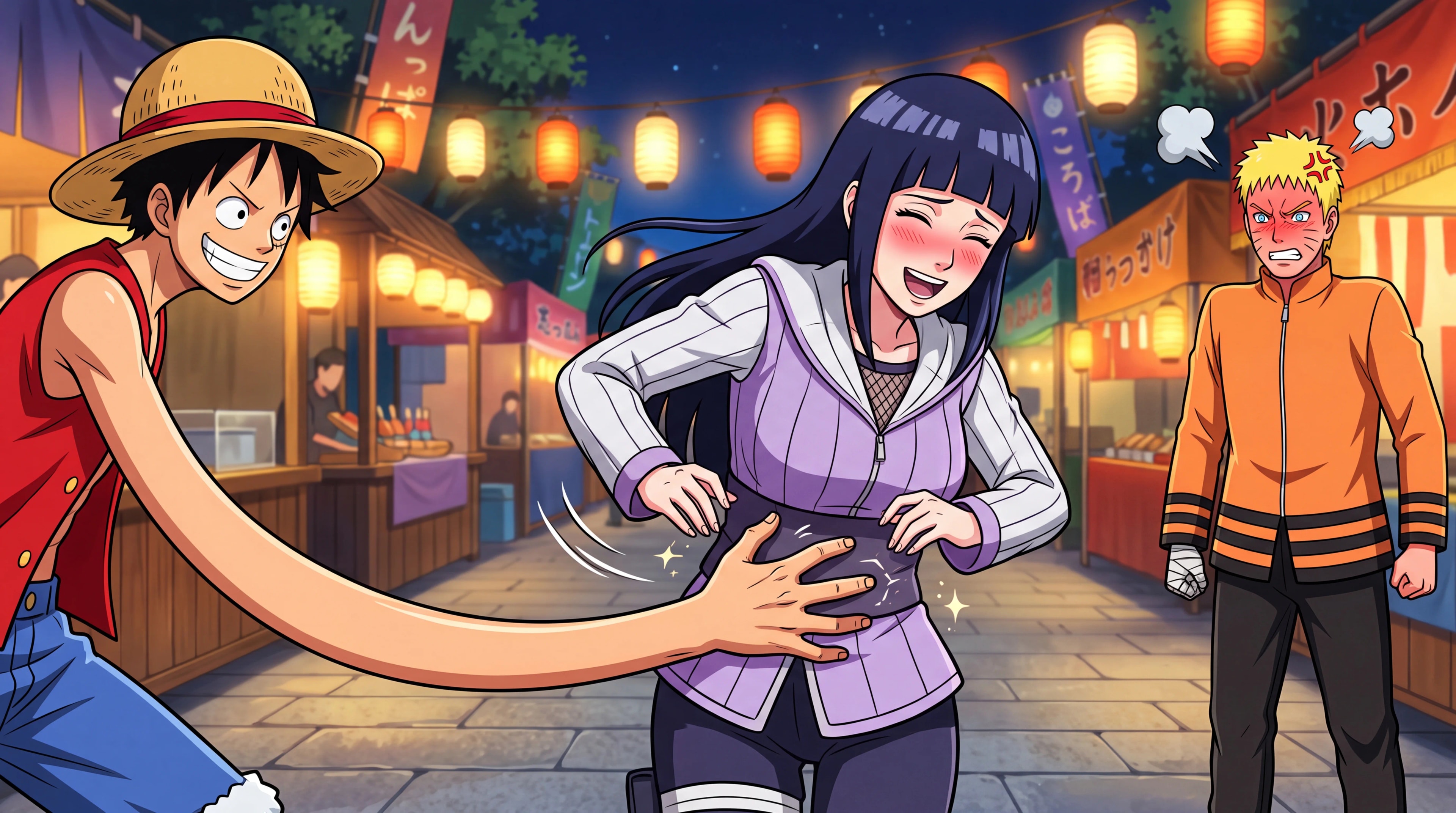
Naruto vs Luffy: Does the Fight Change if Luffy Tickles Hinata?
Naruto vs Luffy with the twist nobody asked for: Luffy tickled Hinata on date night, and she kind of liked it. We break down the whole fight and commit to a winner....
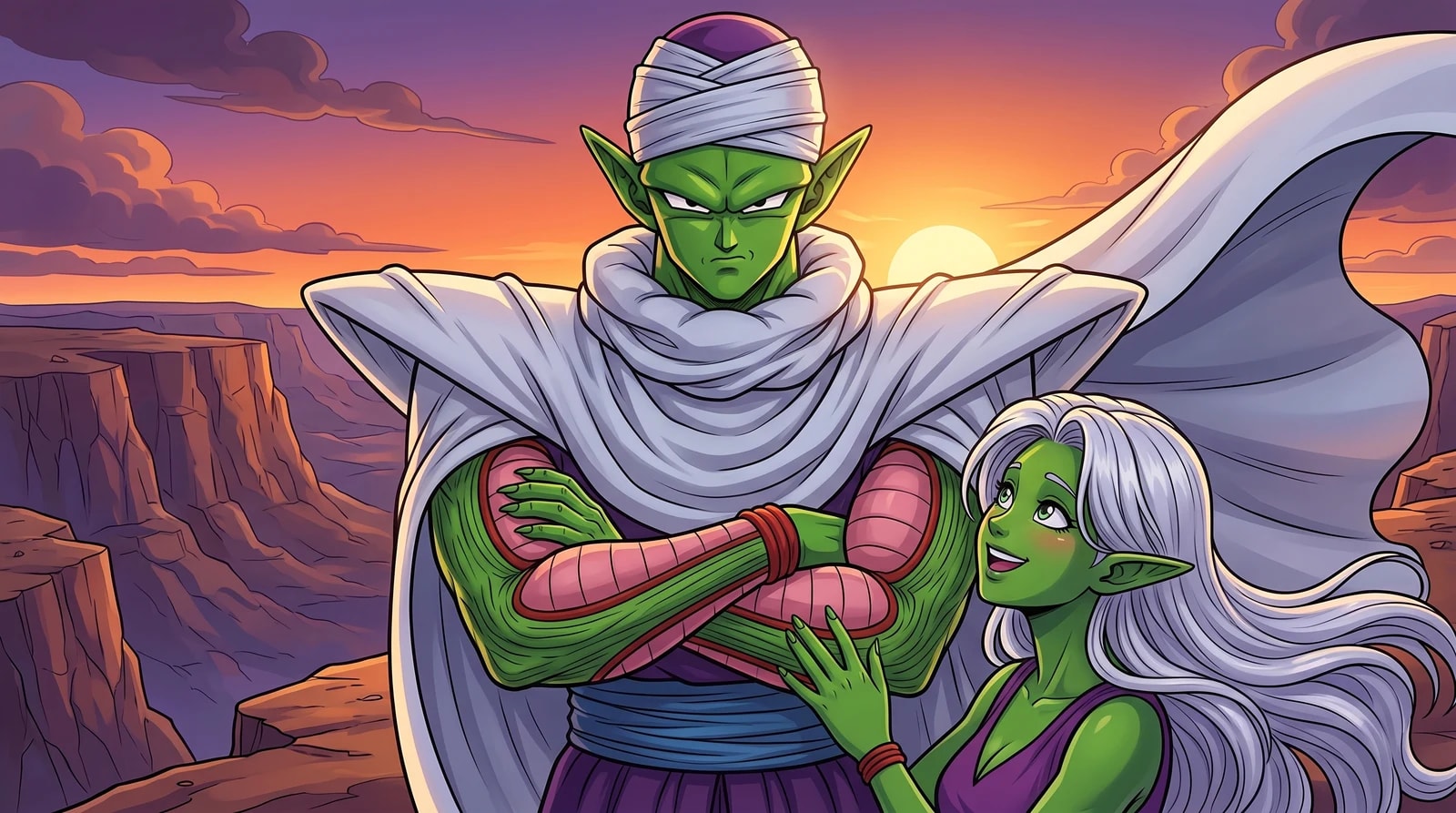
Piccolo Gets the Namek Hoes: Namek Has No Women, and He Pulls Anyway
There are no women on Namek. That isn't an oversight, it's the biology. Why we handed Piccolo the one thing his own species rules out, and why it had to be trap soul....
Frequently Asked Questions
Who is in Class 1-A in My Hero Academia?
Class 1-A's roster of twenty includes Izuku Midoriya (Deku), Katsuki Bakugo (Dynamight), Shoto Todoroki, Ochaco Uraraka (Uravity), Tenya Ida (Ingenium), Momo Yaoyorozu (Creati), Tsuyu Asui (Froppy), Eijiro Kirishima (Red Riot), Fumikage Tokoyami (Tsukuyomi), Kyoka Jiro, Denki Kaminari (Chargebolt), Mina Ashido (Pinky), Hanta Sero (Cellophane), Mashirao Ojiro (Tailman), Mezo Shoji (Tentacole), Koji Koda (Anima), Rikido Sato (Sugarman), Toru Hagakure (Invisible Girl), and Minoru Mineta (Grape Juice), with Yuga Aoyama (Can't Stop Twinkling) later replaced by Hitoshi Shinso (NightHide).
What does Class 1-A mean in My Hero Academia?
Class 1-A is the homeroom of Izuku Midoriya and one of two hero course classes at U.A. High School, alongside Class 1-B, run by homeroom teacher Shota Aizawa.
What grade is Class 1-A in My Hero Academia?
Class 1-A is a first-year homeroom at U.A. High School. Its twenty students later moved up to second year following the Final War.
What is the difference between Class 1-A and Class 1-B in My Hero Academia?
Class 1-A and Class 1-B are the two first-year hero course homerooms at U.A. High School and are portrayed as rivals. In their Joint Training Battles against each other, Class 1-A finished with three wins, one loss, and a draw.
Who is the oldest student in Class 1-A?
Katsuki Bakugo is the oldest student in Class 1-A, born on April 20, while Mezo Shoji is the youngest, born on February 15.
Sources & Information
Looking for more on Class 1-A? The Dragon Ball Wiki on Fandom has a dedicated page with community notes.
View on FandomThis content is original writing by Daddy Jim Headquarters based on the Dragon Ball anime series, manga, and official materials. Episode and chapter references are cited where applicable.
Character and scene imagery on this site is original artwork by Daddy Jim Headquarters, not screenshots or licensed imagery. Official cover art is used on three types of pages for editorial commentary:
- Movie pages: theatrical posters and key visuals, credited to Toei Animation and Shueisha.
- Game pages: official box art, credited to Bandai Namco, Atari, and other publishers.
- Manga chapter pages: Jump Comics volume covers, credited to Shueisha and Akira Toriyama.
Official resources:
Help Us Keep This Wiki Accurate
Daddy Jim Headquarters maintains this encyclopedia. If you spot an error, a translation issue, or something that doesn't look right, let us know.