Masegaki Primary School
CharacterMasegaki Primary School is famous for its brats, and the name says so outright. Its pupils pair unusually strong Quirks with unusually little respect for adults, which is exactly why Gang Orca marched his remedial hero students in front of them.
Overview
The school's name is a joke at its own expense. Read as masegaki, it means precocious brat, and the syllable gaki on its own covers brat or troublesome child. The campus appears in Chapter 164 and Episode 79.
Its children are sharply attuned to social dynamics and adult hypocrisy, and their Quirks are both powerful and unusually well controlled for their age. That combination makes them fearless. Their teacher, Komari Ikoma, admits she has almost no authority over the class and apologizes constantly on its behalf.
Role
Kugo Sakamata, the Pro Hero Gang Orca, hands the class to his remedial course students as an assignment, and Ikoma gratefully entrusts them with it. The children immediately challenge the hero students to a fight, fully expecting to win. Their ringleader is an unnamed blond boy wearing a permanent smirk, convinced that unexpected power puts him and his classmates above adults, and annoyed by grown-ups who always assume they know better.
The stalemate breaks through play rather than discipline. The remedial students use their Quirks to build the kids a play area, and the class comes around completely. Afterward the children treat the hero students as heroes, saving special admiration for Katsuki Bakugo and Shoto Todoroki.
That affection outlasts the war. Once the fighting is behind them, the school builds a yearly event around Shoto, the Summer Cool-Off Five Weenies Festival. He attends regularly and freezes castles, slides, and other structures for the students to enjoy, much as he did during the remedial training that first won them over.
Notable Members
Komari Ikoma teaches the class and spends most of her screen time apologizing for it. The students' unnamed blond leader speaks for the group. Kohei Horikoshi has said he first modeled the boy on a non-Japanese child he met years earlier.
The rest of the class goes unnamed, though several display Quirks strong enough to flatter a much older student.
Related Reading
See all
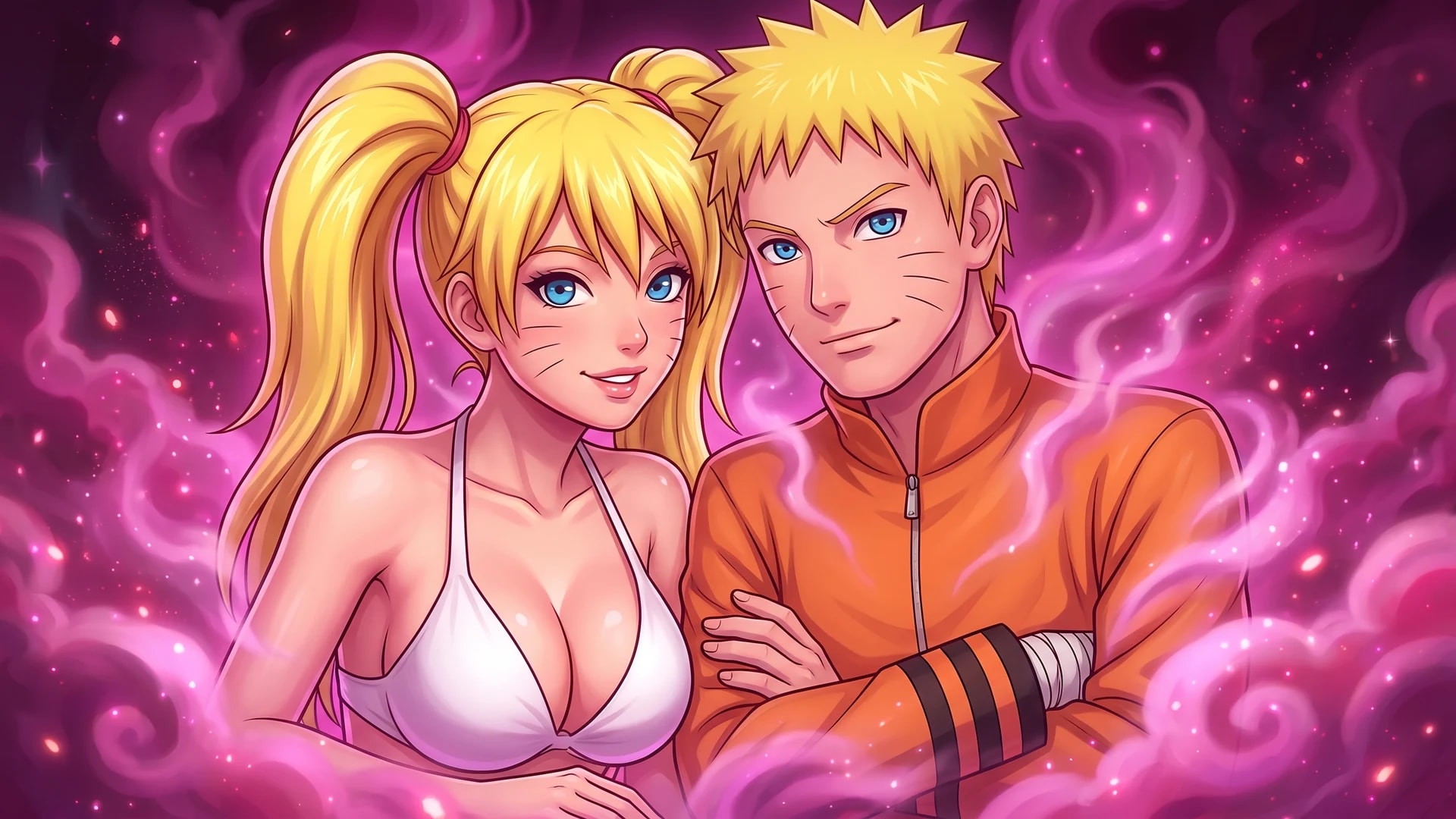
Naruto vs Luffy: Does the Fight Change if Luffy Tickles Hinata?
Naruto vs Luffy with the twist nobody asked for: Luffy tickled Hinata on date night, and she kind of liked it. We break down the whole fight and commit to a winner....
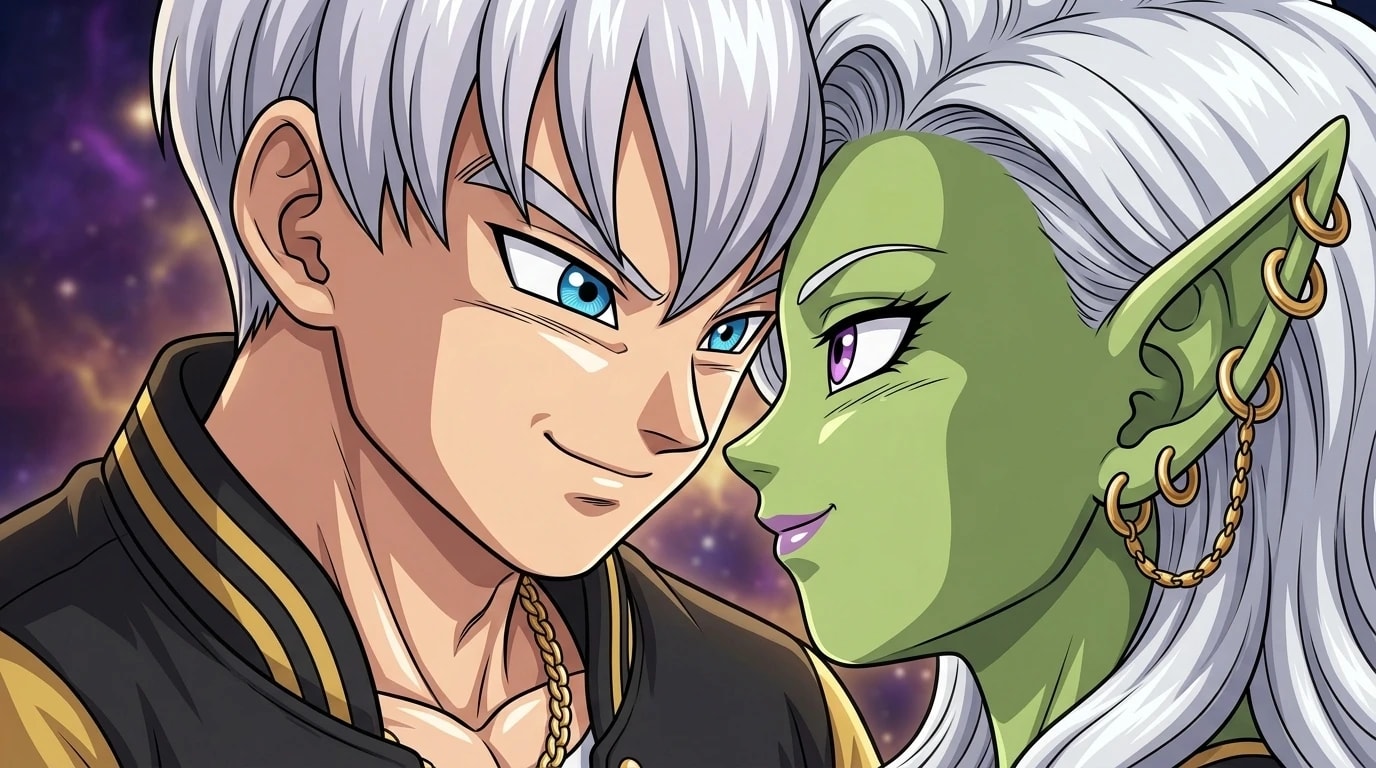
Piccolo Gets the Namek Hoes: Namek Has No Women, and He Pulls Anyway
There are no women on Namek. That isn't an oversight, it's the biology. Why we handed Piccolo the one thing his own species rules out, and why it had to be trap soul....
Frequently Asked Questions
What is the elementary school in MHA?
Masegaki Primary School is the elementary school featured in My Hero Academia, first appearing in Chapter 164 and Episode 79. Its students pair unusually strong Quirks with little respect for adults, prompting Pro Hero Gang Orca to send his remedial course students there as a training assignment.
Why did Gang Orca send hero students to Masegaki Primary School?
Gang Orca handed the unruly class to his remedial course students as a training assignment, and their teacher Komari Ikoma gratefully accepted the help since she had almost no authority over the children.
How did the hero students win over the kids at Masegaki Primary School?
After the class challenged them to a fight, the remedial hero students built a play area with their Quirks instead of disciplining the kids, winning the class over completely and earning special admiration for Katsuki Bakugo and Shoto Todoroki.
What is the Summer Cool-Off Five Weenies Festival?
The Summer Cool-Off Five Weenies Festival is an annual event Masegaki Primary School holds after the war, where Shoto Todoroki freezes castles, slides, and other structures for the students to enjoy.
What does the name Masegaki mean?
Masegaki is a joke at the school's own expense; read together it means precocious brat, and gaki alone means brat or troublesome child, fitting its famously unruly students.
Sources & Information
Looking for more on Masegaki Primary School? The Dragon Ball Wiki on Fandom has a dedicated page with community notes.
View on FandomThis content is original writing by Daddy Jim Headquarters based on the Dragon Ball anime series, manga, and official materials. Episode and chapter references are cited where applicable.
Character and scene imagery on this site is original artwork by Daddy Jim Headquarters, not screenshots or licensed imagery. Official cover art is used on three types of pages for editorial commentary:
- Movie pages: theatrical posters and key visuals, credited to Toei Animation and Shueisha.
- Game pages: official box art, credited to Bandai Namco, Atari, and other publishers.
- Manga chapter pages: Jump Comics volume covers, credited to Shueisha and Akira Toriyama.
Official resources:
Help Us Keep This Wiki Accurate
Daddy Jim Headquarters maintains this encyclopedia. If you spot an error, a translation issue, or something that doesn't look right, let us know.