Sasuke muscles past Fūshin's storms and finally corners Chino in the Valley of Hell, where the bloodline user unspools the whole sorrowful history of the Chinoike clan and the vengeance that drives her.
Main Characters (3)
Summary
Determined to pry the truth out of Fūshin, Sasuke presses forward while his opponent whips up an escalating gale that swells from windstorm to typhoon. Only the Complete Body-Susanoo lets Sasuke shear through the wind, and when Fūshin conjures something fiercer, he drops the technique and slips into the calm eye to land a Chidori. His Sharingan tries to read Fūshin's memories but slams into the resistance of the Ketsuryūgan, and it takes the Mangekyō to shake loose. By then Fūshin has vanished.
Reaching the Valley of Hell, Sasuke wonders aloud whether the Chinoike clan ever settled there, and Chino steps out to confirm it. She recounts the misery of that exile and the isolation that had swallowed her before En Oyashiro seized her, a loneliness that stirs Sasuke's own memories of Naruto. Drawn to her story, he lets her show him her past through the eye itself.
Forced into shinobi life by Oyashiro after her Ketsuryūgan woke, Chino was made to fight in the Coliseum, where beating Fūshin bound him to her master. The two became friends, later uncovering records of her clan and gathering others who wished to flee. As the Lightning Group, they defended struggling villages, drew Kirigakure's employment, then found themselves marked for disposal. Denied refuge everywhere, their number dwindled until only Chino and Fūshin remained to reach the valley, where nothing revived her memories. Attacked by Kiri shinobi, she detonates one with her bloodline and swears to avenge her people.

Key Events
Sasuke overpowers Fūshin with the Complete Body-Susanoo and a well-timed Chidori, then breaks the Ketsuryūgan's block on his Sharingan using the Mangekyō. In the Valley of Hell, Chino reveals herself and relives her origin: awakening the bloodline, surviving the Coliseum, forging the Lightning Group with Fūshin, and being cast aside by Kirigakure. The episode closes on her vow of revenge for the Chinoike clan.
Related Reading
See all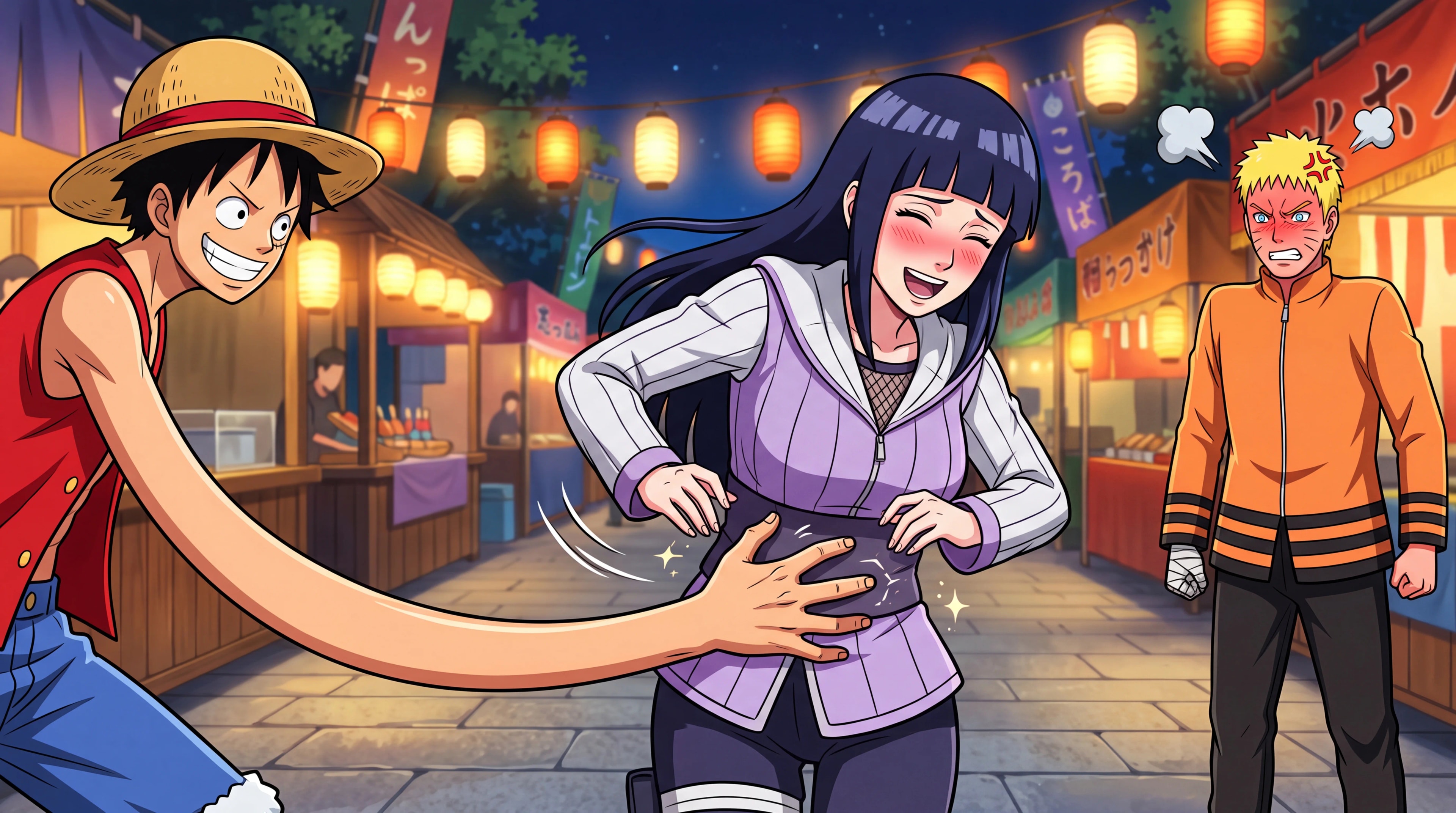
Naruto vs Luffy: Does the Fight Change if Luffy Tickles Hinata?
Naruto vs Luffy with the twist nobody asked for: Luffy tickled Hinata on date night, and she kind of liked it. We break down the whole fight and commit to a winner....
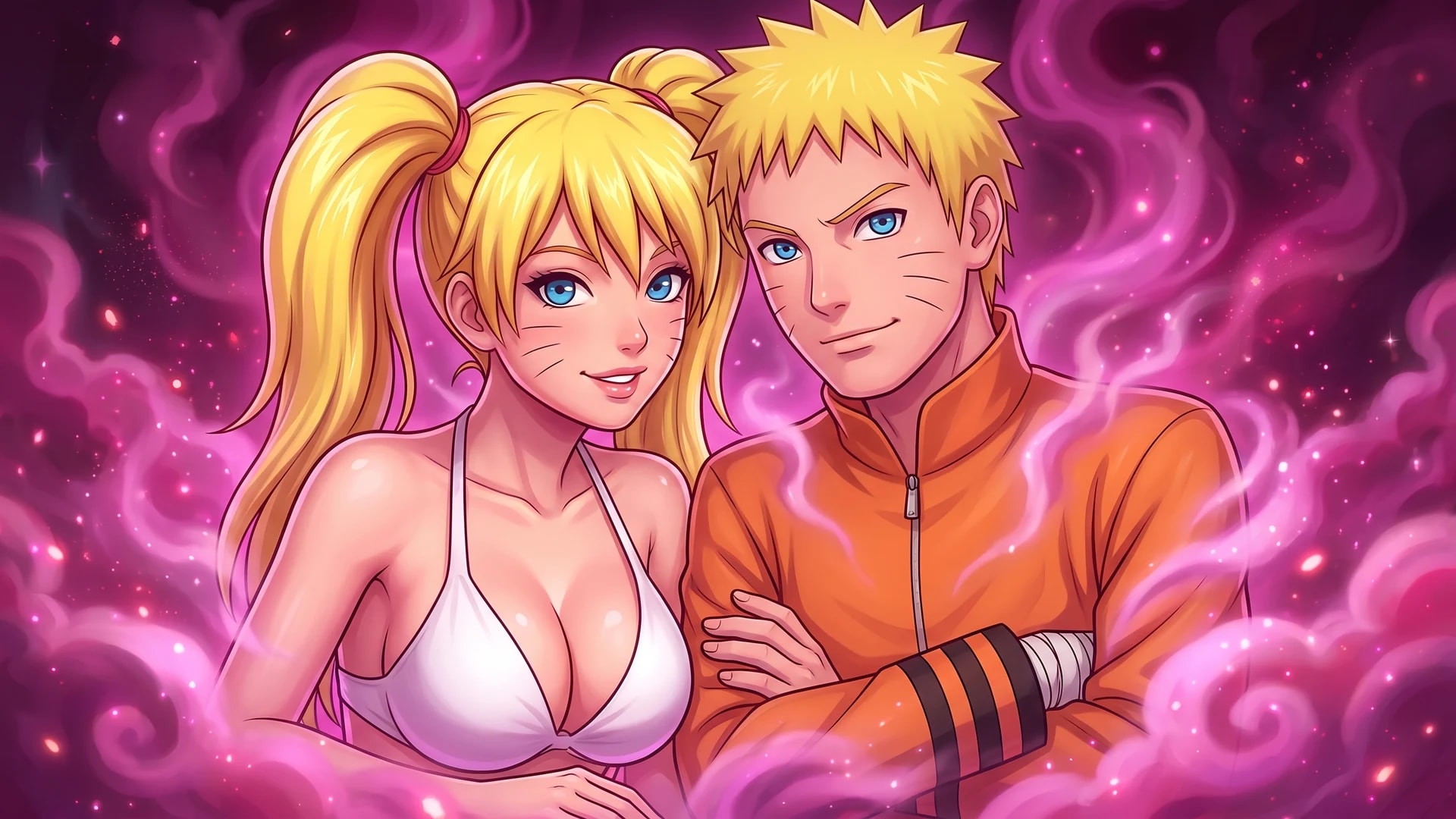
Who Is Naruko? What Naruto's Transformation Jutsu Does to the Whole Hidden Leaf
Naruto built the transformation jutsu himself, and the Hidden Leaf has been quietly not talking about it ever since. The story behind our 90s R&B record about the Naruko question everybody dodges....
Notes
This is the four-hundred-eighty-seventh Naruto: Shippūden installment, part of the Sasuke Shinden: Book of Sunrise arc. It first aired in Japan on December 22, 2016, with an English broadcast on June 11, 2019. The opening theme is Empty Heart and the ending is Departure Song. Chino's account of her loneliness deliberately mirrors the bond between Sasuke and Naruto.
Frequently Asked Questions
What does the Ketsuryūgan do in this episode?
The Ketsuryūgan blocks Sasuke's Sharingan from reading memories, and it takes his Mangekyō Sharingan to break through its resistance.
Who wields the Ketsuryūgan in this episode?
Chino, a member of the Chinoike clan, wields the Ketsuryūgan, which she reveals to Sasuke in the Valley of Hell.
How does Sasuke get past Fūshin's wind techniques?
Sasuke uses the Complete Body-Susanoo to shear through Fūshin's escalating windstorm, then slips into the technique's calm eye to land a Chidori.
What does Chino reveal about her past in this episode?
Chino explains she was forced into shinobi life by En Oyashiro after her Ketsuryūgan awakened, was made to fight in the Coliseum, befriended Fūshin there, and later formed the Lightning Group before Kirigakure turned on them.
What is the Valley of Hell in this episode?
The Valley of Hell is where the exiled Chinoike clan once settled, and it is where Chino and Fūshin end up after the Lightning Group's numbers dwindle.
Sources & Information
Looking for more on The Ketsuryūgan? The Naruto Wiki on Fandom has a dedicated page with community notes.
View on FandomThis content is original writing by Daddy Jim Headquarters based on the Naruto anime series, manga, and official materials. Episode and chapter references are cited where applicable.
Rights holders
- Created byMasashi Kishimoto
- Published byShueisha
- Animated byStudio Pierrot
All rights belong to their respective owners.
Character and scene imagery on this site is original artwork by Daddy Jim Headquarters, not screenshots or licensed imagery. Official cover art is used on three types of pages for editorial commentary:
- Movie pages: theatrical posters and key visuals, credited to Studio Pierrot and Toho.
- Game pages: official box art for the Naruto: Ultimate Ninja Storm games, credited to Bandai Namco.
- Manga chapter pages: Jump Comics volume covers, credited to Shueisha and Masashi Kishimoto.
Official resources:
Help Us Keep This Wiki Accurate
Daddy Jim Headquarters maintains this encyclopedia. If you spot an error, a translation issue, or something that doesn't look right, let us know.