Growing impatient, Queen Nehelenia drapes Tokyo in spider webs and unnatural night to flush out Pegasus and the Golden Crystal he guards. The darkness wracks Mamoru with pain and leads the guardians to the Dead Moon Circus, where the Amazoness Quartet's true nature comes to light.
Summary
The thirty-fourth SuperS episode escalates the search for Pegasus as Nehelenia, fed up with the Amazoness Quartet's failures to locate the Golden Mirror, cloaks the city in webs and darkness. Because the Golden Crystal belongs to the kingdom of Earth, the corruption sends waves of agony through Mamoru, whose bond to the planet as Prince Endymion makes him acutely vulnerable.
Key Events
When Nehelenia attempts to step out of her mirror, daylight scorches her hand and drives her back, prompting her to blanket Tokyo in spider webs reminiscent of what befell Elysion. Ami traces the webbing to the Dead Moon Circus tent, where the guardians find the Quartet in ordinary clothes, herding people to draw out their Dream Mirrors. Both sides then unmask, each revealing their true selves.
A brief clash follows, and PallaPalla pins the guardians with a voodoo doll until Tuxedo Mask, fighting through his pain, breaks the hold. Zirconia recalls the Quartet just as the Dead Moon begins to eclipse the sun. With Mamoru buckling under the darkness, Pegasus warns the guardians they are not yet ready to enter the Dead Moon and confront the circus's true master.
Notes
Compared with the manga, the pain Mamoru suffers from the corruption of Elysion arrives at a different point in the story, and the printed version had the curse make him cough up black blood while also afflicting Helios and eventually Usagi. The combat scene originally scored with "Theme of the Sailor Team" was swapped for a range of substitute tracks across the international dubs, from translated versions to instrumentals of "Moonlight Densetsu."
Related Reading
See all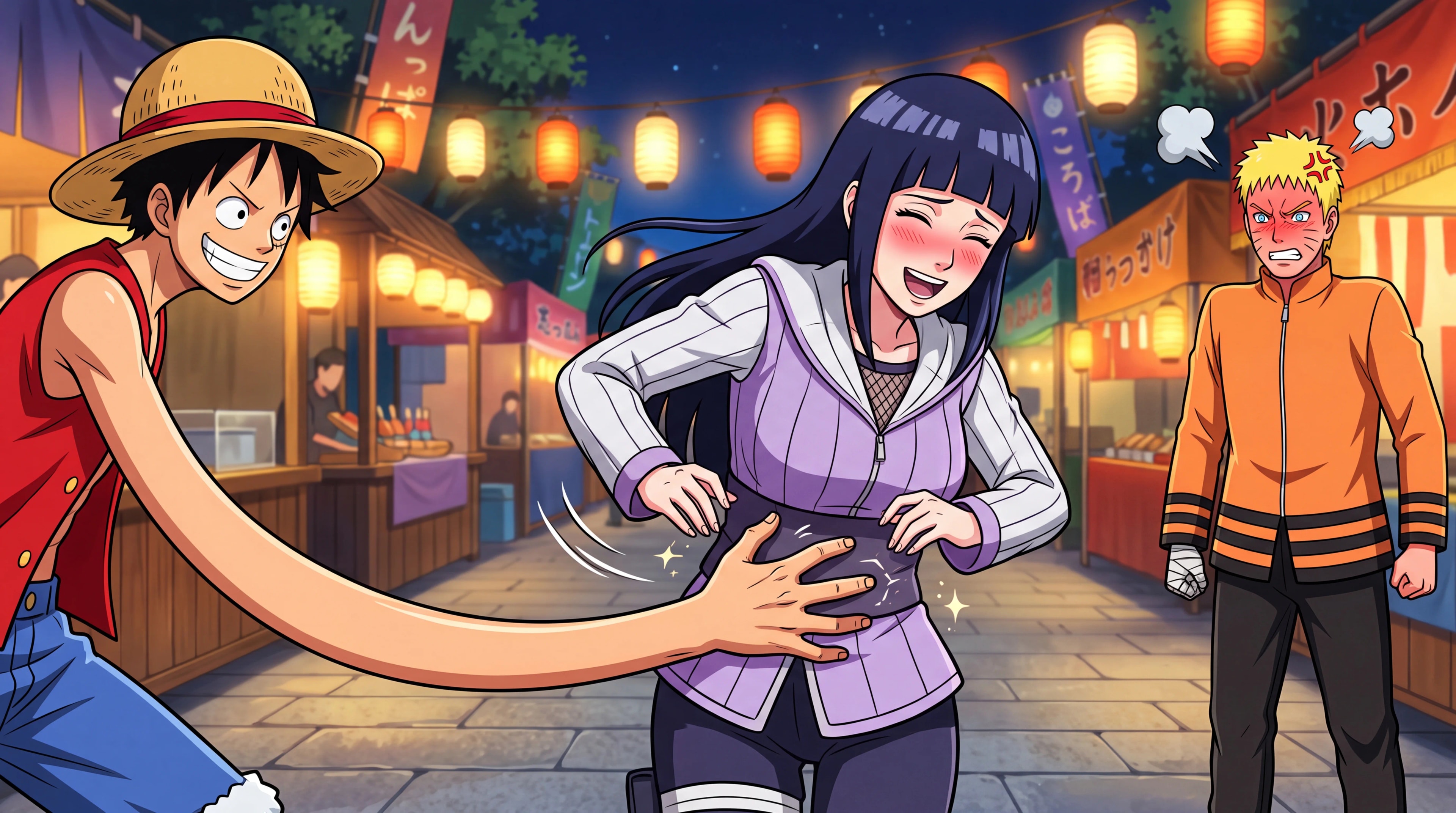
Naruto vs Luffy: Does the Fight Change if Luffy Tickles Hinata?
Naruto vs Luffy with the twist nobody asked for: Luffy tickled Hinata on date night, and she kind of liked it. We break down the whole fight and commit to a winner....
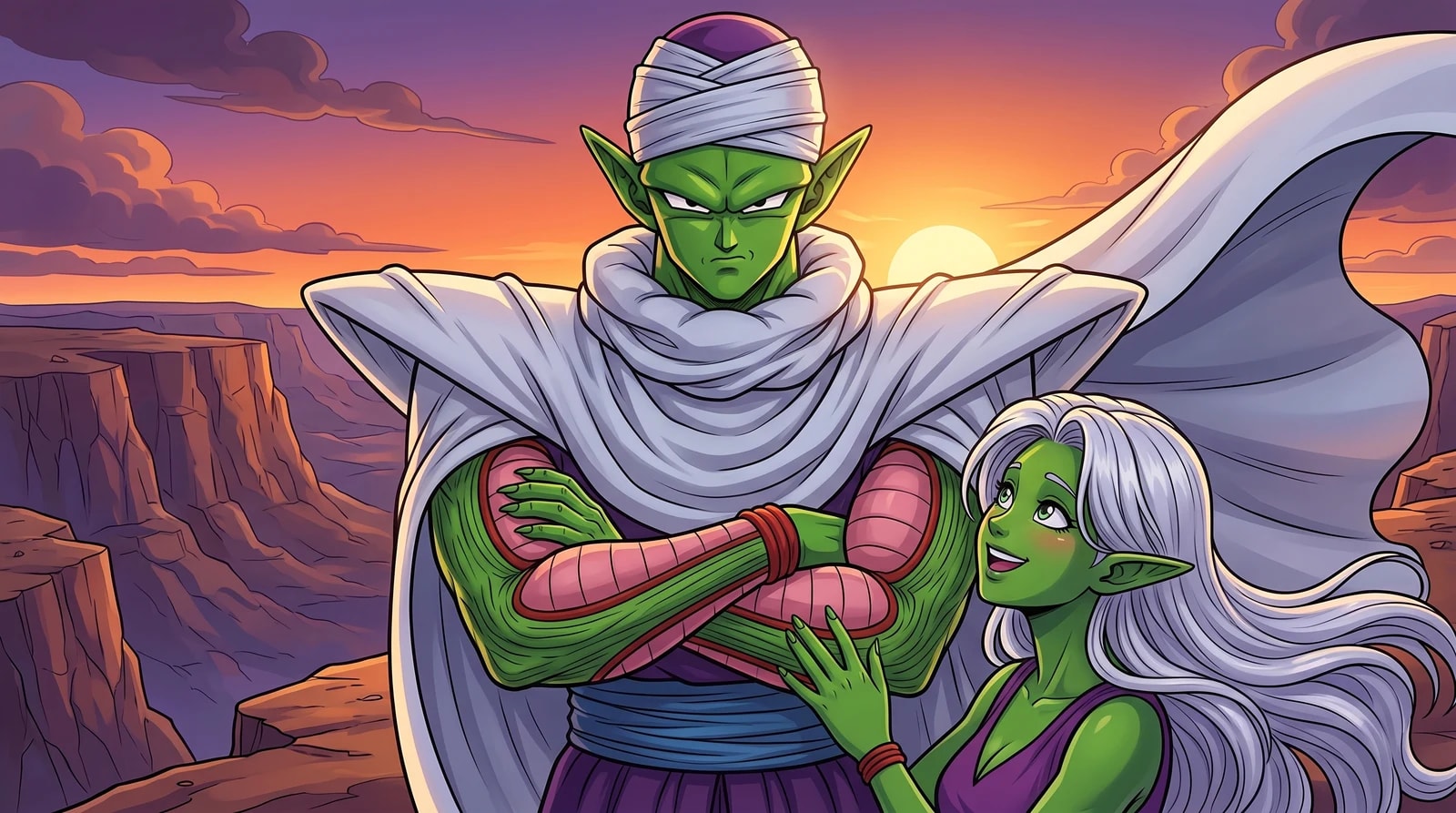
Piccolo Gets the Namek Hoes: Namek Has No Women, and He Pulls Anyway
There are no women on Namek. That isn't an oversight, it's the biology. Why we handed Piccolo the one thing his own species rules out, and why it had to be trap soul....
Frequently Asked Questions
Who is the evil queen in Sailor Moon behind the events of this episode?
The events of Terror in Motion: The Dark Queen's Evil Hand are driven by Queen Nehelenia, who blankets Tokyo in spider webs and darkness in her impatient search for Pegasus and the Golden Crystal.
Why does Mamoru suffer such intense pain in this episode?
Because the Golden Crystal belongs to the kingdom of Earth, Nehelenia's corruption sends waves of agony through Mamoru, whose bond to the planet as Prince Endymion makes him especially vulnerable to the darkness.
What do the guardians discover at the Dead Moon Circus tent?
Ami traces Nehelenia's webbing to the Dead Moon Circus tent, where the guardians find the Amazoness Quartet in ordinary clothes rounding up people to steal their Dream Mirrors, and both sides unmask to reveal their true identities.
How does Tuxedo Mask escape PallaPalla's attack?
PallaPalla pins the guardians using a voodoo doll, but Tuxedo Mask fights through his pain from Nehelenia's corruption and breaks the hold himself.
What warning does Pegasus give the guardians at the end of the episode?
As the Dead Moon begins to eclipse the sun and Mamoru buckles under the darkness, Pegasus warns the guardians that they are not yet ready to enter the Dead Moon and face the circus's true master.
Sources & Information
Looking for more on Terror in Motion: The Dark Queen's Evil Hand? The Dragon Ball Wiki on Fandom has a dedicated page with community notes.
View on FandomThis content is original writing by Daddy Jim Headquarters based on the Dragon Ball anime series, manga, and official materials. Episode and chapter references are cited where applicable.
Character and scene imagery on this site is original artwork by Daddy Jim Headquarters, not screenshots or licensed imagery. Official cover art is used on three types of pages for editorial commentary:
- Movie pages: theatrical posters and key visuals, credited to Toei Animation and Shueisha.
- Game pages: official box art, credited to Bandai Namco, Atari, and other publishers.
- Manga chapter pages: Jump Comics volume covers, credited to Shueisha and Akira Toriyama.
Official resources:
Help Us Keep This Wiki Accurate
Daddy Jim Headquarters maintains this encyclopedia. If you spot an error, a translation issue, or something that doesn't look right, let us know.
