Parallel Sailor Moon
Manga ChapterNaoko Takeuchi created this standalone short in 1999 to mark the Year of the Rabbit, and it stands as the last manga chapter she released. It imagines an alternate timeline centered on Usagi's younger daughter, giving the series a lighthearted send-off outside the main canon.
Summary
The tale unfolds in a divergent reality where Usagi and Mamoru never rise to become Neo Queen Serenity and King Endymion. Here the Sailor Guardians have already grown up, settled into marriage, and raised children of their own. Attention falls on Usagi's second child, Kousagi Tsukino, rather than her elder sister.

Key Events
Kousagi teams up with four companions, namely Ami Jr., Rei Jr., Mako Kino, and Mina Aino, the daughters of the original heroines. Their latent abilities awaken after an encounter with a small pink cat that never receives a proper name. Banding together, the young quintet manages to stop a rabbit-shaped comet before it can wreck the Earth, drawing on the transformation phrase Parallel Moon Power, Make Up.
Related Reading
See all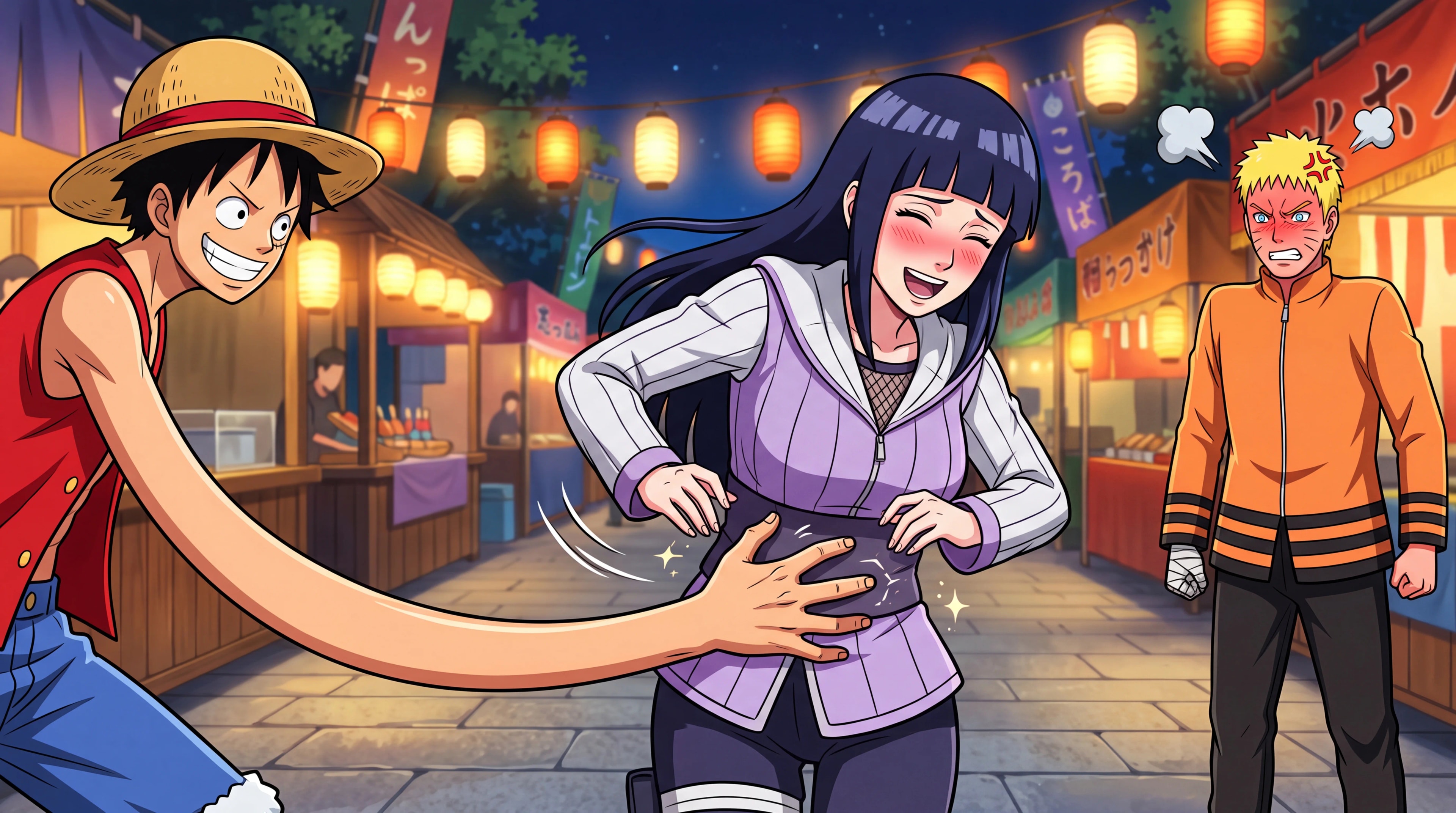
Naruto vs Luffy: Does the Fight Change if Luffy Tickles Hinata?
Naruto vs Luffy with the twist nobody asked for: Luffy tickled Hinata on date night, and she kind of liked it. We break down the whole fight and commit to a winner....
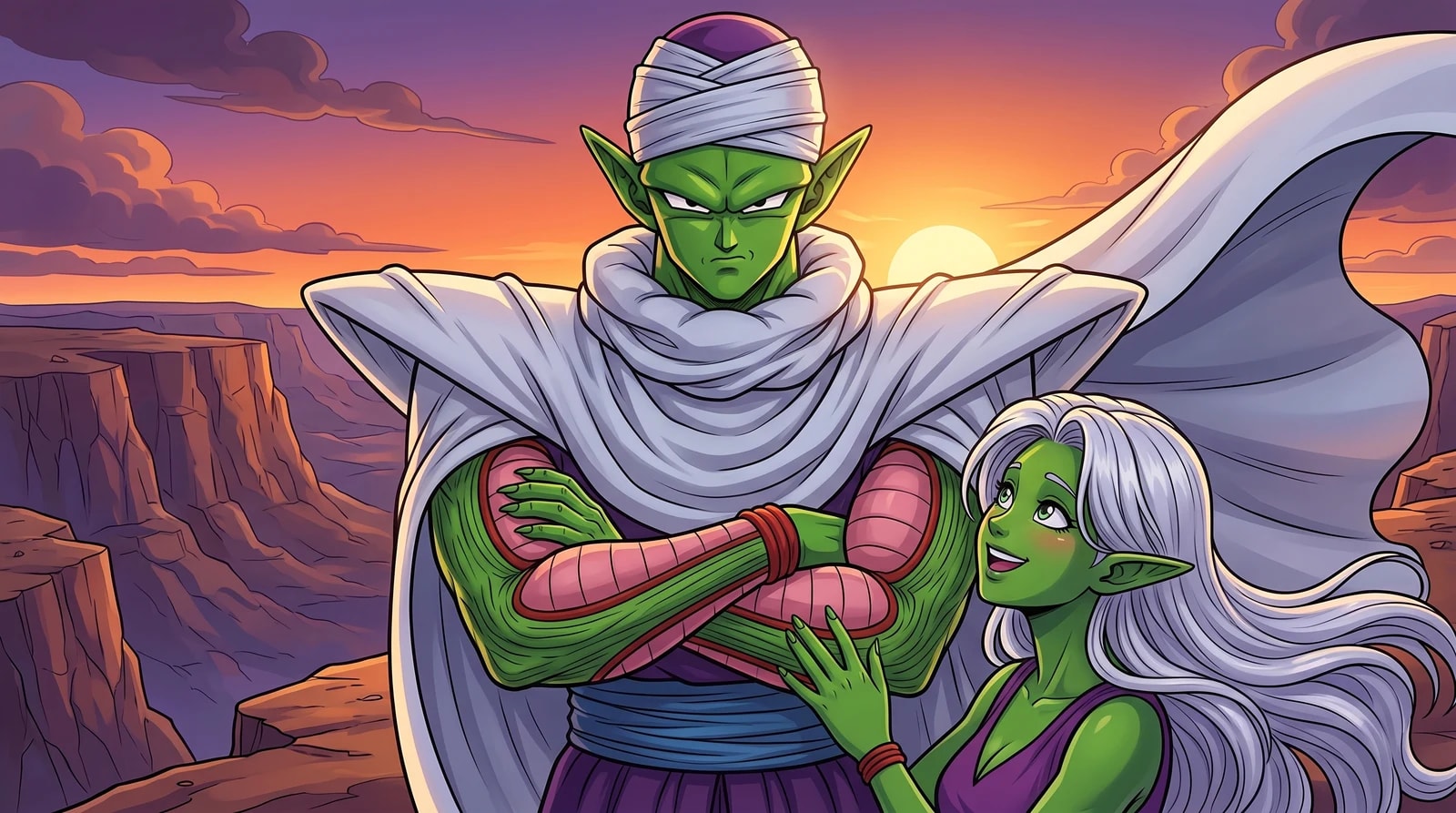
Namek Has No Women, and Piccolo Pulls Anyway
There are no women on Namek. That isn't an oversight, it's the biology. Why we handed Piccolo the one thing his own species rules out, and why it had to be trap soul....
Notes
Because the story surfaced in the Materials Collection artbook some years after the series wrapped, it is the only chapter absent from the original collected volumes of the manga. Its first official English printing came in 2013 within Short Stories Vol. 2. The four parallel daughters are drawn with temperaments quite unlike their mothers and show little warmth toward Kousagi. Neither the girls nor the pink cat carry canon Guardian names, so fans improvise labels such as Sailor Parallel Moon and nicknames like Candy or Sugar Cat for the feline.
Frequently Asked Questions
Is Parallel Sailor Moon canon?
No. Parallel Sailor Moon imagines a divergent timeline where Usagi and Mamoru never became Neo Queen Serenity and King Endymion, and the wiki describes it as a lighthearted send-off created outside the main canon.
What is the Parallel Sailor Moon chapter?
Parallel Sailor Moon is a standalone manga short Naoko Takeuchi created in 1999 to mark the Year of the Rabbit, imagining an alternate timeline centered on Usagi's younger daughter, Kousagi Tsukino, and her friends.
Who are the five heroines in Parallel Sailor Moon?
Kousagi Tsukino teams up with four companions, Ami Jr., Rei Jr., Mako Kino, and Mina Aino, who are the daughters of the original Sailor Guardians.
What transformation phrase do the girls use in Parallel Sailor Moon?
The five girls use the phrase Parallel Moon Power, Make Up after an unnamed pink cat awakens their latent abilities, and they use their powers to stop a rabbit-shaped comet from wrecking Earth.
Why is Parallel Sailor Moon absent from the original manga volumes?
Parallel Sailor Moon surfaced years later in the Materials Collection artbook after the series had already wrapped, making it the only chapter absent from the manga's original collected volumes.
Sources & Information
Looking for more on Parallel Sailor Moon? The Sailor Moon Wiki on Fandom has a dedicated page with community notes.
View on FandomThis content is original writing by Daddy Jim Headquarters based on the Sailor Moon anime series, manga, and official materials. Sailor Moon was created by Naoko Takeuchi, published by Kodansha, and animated by Toei Animation. All rights to Sailor Moon and its characters belong to their respective owners. Episode and chapter references are cited where applicable.
Rights holders
- Created byNaoko Takeuchi
- Published byKodansha
- Animated byToei Animation
All rights belong to their respective owners.
Character and scene imagery on this site is original artwork by Daddy Jim Headquarters, not screenshots or licensed imagery. Official cover art is used on three types of pages for editorial commentary:
- Movie pages: theatrical posters and key visuals, credited to Toei Animation and Kodansha.
- Game pages: official box art, credited to the game's respective publishers.
- Manga chapter pages: volume covers, credited to Kodansha and Naoko Takeuchi.
Official resources:
Help Us Keep This Wiki Accurate
Daddy Jim Headquarters maintains this encyclopedia. If you spot an error, a translation issue, or something that doesn't look right, let us know.