Underground King
CharacterThe Underground King, known to the 24th Ward's ghouls as Naagaraji, is a legendary one-eyed ghoul said to have led a failed revolt against humanity within the last century. A towering figure in ghoul lore, he is tied by blood to the Washuu Clan.
Appearance
His features echo those of the Washuu line, and a mole marks the left side of his chin. A kakugan shows in his right eye, betraying his one-eyed nature.

History
Born a one-eyed ghoul within the Washuu Clan, he came to loathe his own kin and rose against them. Eto Yoshimura frames the event as a revolt against humanity, one that supposedly moved the Japanese government to hand the Washuu Clan its authority and to establish the Commission of Counter Ghoul in order to put the rebellion down. Nishiki Nishio recounts it instead as an uprising launched while people were still rebuilding after the war, a massive clash against a weakened humanity that gave rise to V. As the legends have it, the King was ultimately beaten and driven beneath the surface into the 24th Ward, where he is said to have raised a vast city and bided his time for the day ghouls might rise once more.
An expedition pushing into the lowest depths of the 24th Ward, led by Ayato Kirishima, stumbles upon what looks like a deserted city. Three of its inhabitants, ghoul children who insist they are human, claim their King, Nagaraji, laid the place to ruin in a shape resembling Kaneki's Dragon. Battling desperately for their lives, they broke apart the eyeball-like growths studding his kagune, blunting his assaults, until at last the King fell still and hardened into stone.

Abilities
The King's kagune takes a serpentine shape, throwing out numerous arm-like appendages that stretch from one building to the next while taking on a stony quality. Its staggering scale suggests some transformation warped his kakuja into this gargantuan state, drawing comparison to the Dragon born of Kaneki's own kagune.
Related Reading
See all
Naruto vs Luffy: Does the Fight Change if Luffy Tickles Hinata?
Naruto vs Luffy with the twist nobody asked for: Luffy tickled Hinata on date night, and she kind of liked it. We break down the whole fight and commit to a winner....
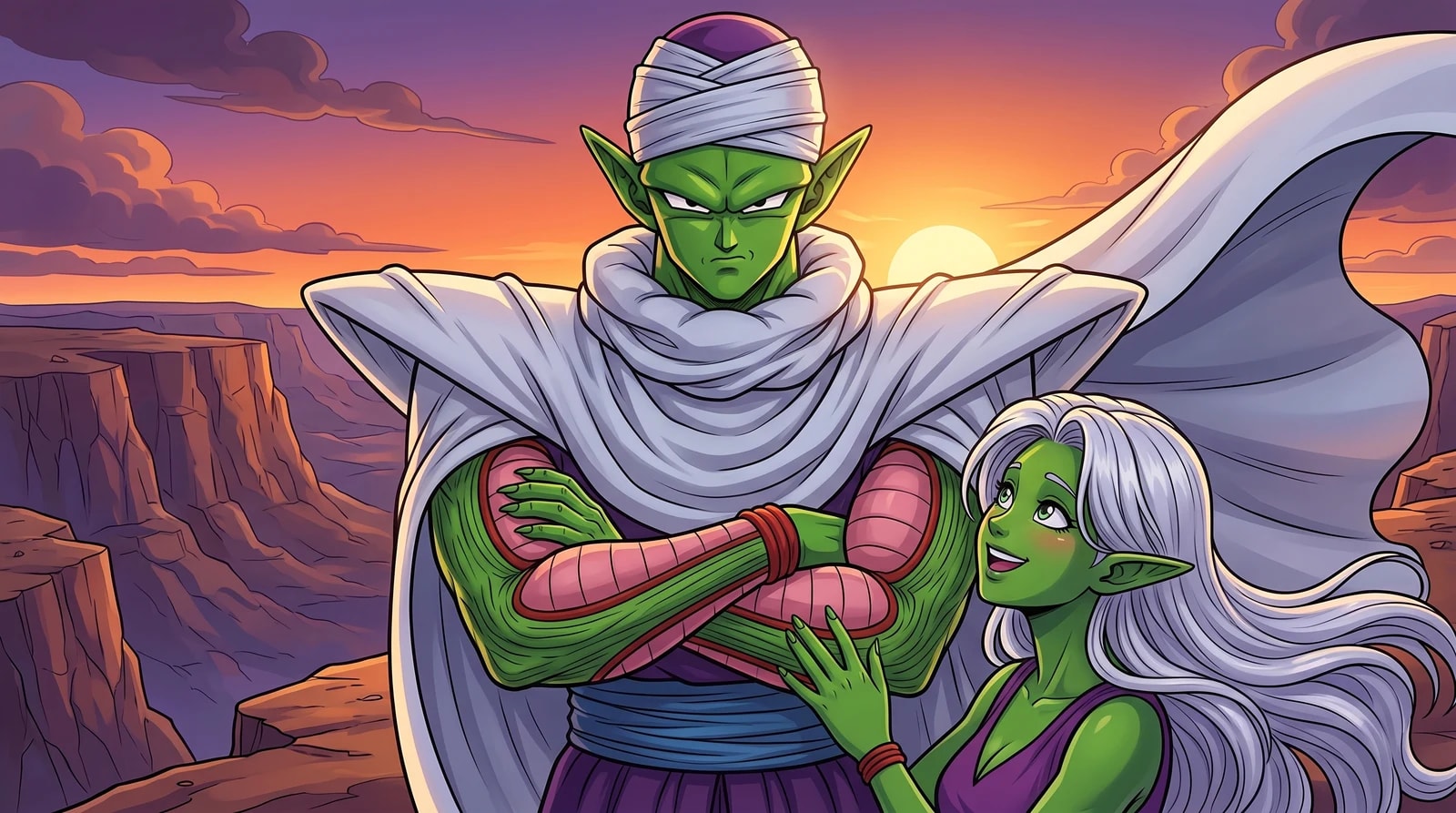
Piccolo Gets the Namek Hoes: Namek Has No Women, and He Pulls Anyway
There are no women on Namek. That isn't an oversight, it's the biology. Why we handed Piccolo the one thing his own species rules out, and why it had to be trap soul....

Frequently Asked Questions
Who is the Underground King in Tokyo Ghoul?
The Underground King, known to the 24th Ward's ghouls as Naagaraji, is a legendary one eyed ghoul said to have led a failed revolt against humanity within the last century. He is a towering figure in ghoul lore tied by blood to the Washuu Clan.
What is the Underground King's connection to the Washuu Clan?
The Underground King was born a one eyed ghoul within the Washuu Clan, came to loathe his own kin, and rose against them, a revolt that reportedly moved the Japanese government to grant the Washuu Clan authority and establish the Commission of Counter Ghoul.
What happened to the Underground King after his revolt?
After being beaten, the Underground King was driven beneath the surface into the 24th Ward, where legend says he raised a vast hidden city and bided his time for the day ghouls might rise once more.
How does the Underground King's story end?
An expedition into the depths of the 24th Ward led by Ayato Kirishima encounters ghoul children who broke apart the eyeball like growths on the Underground King's kagune until he fell still and hardened into stone.
What does the Underground King's kagune look like?
The Underground King's kagune takes a serpentine shape, throwing out numerous arm like appendages that stretch between buildings and take on a stony quality, a scale that draws comparison to the Dragon born of Kaneki's own kagune.
Sources & Information
Looking for more on Underground King? The Dragon Ball Wiki on Fandom has a dedicated page with community notes.
View on FandomThis content is original writing by Daddy Jim Headquarters based on the Dragon Ball anime series, manga, and official materials. Episode and chapter references are cited where applicable.
Character and scene imagery on this site is original artwork by Daddy Jim Headquarters, not screenshots or licensed imagery. Official cover art is used on three types of pages for editorial commentary:
- Movie pages: theatrical posters and key visuals, credited to Toei Animation and Shueisha.
- Game pages: official box art, credited to Bandai Namco, Atari, and other publishers.
- Manga chapter pages: Jump Comics volume covers, credited to Shueisha and Akira Toriyama.
Official resources:
Help Us Keep This Wiki Accurate
Daddy Jim Headquarters maintains this encyclopedia. If you spot an error, a translation issue, or something that doesn't look right, let us know.