Yuujirou Utsumi
CharacterYuujirou Utsumi wears the mask of a kindly, prosperous businessman raising an orphaned girl. In truth he is a predator who hunts young women and feeds their remains to the ghoul children he keeps, a scheme he built to shift the blame if anyone ever looked too closely.
Appearance
By the time the events surrounding his household unfold, Utsumi has reached his seventies. His body is frail, and his health has deteriorated to the point that those around him treat his survival as a matter of days rather than years.

Personality
Behind a gentle and respectable front, Utsumi is thoroughly rotten. He takes part in cannibalism against his own species, and he treats the ghoul children he adopts as living tools for gathering the human flesh his appetite demands. His cruelty is calculated as much as it is depraved. From the start he arranges matters so that, should investigators ever connect him to the string of vanished people, he can pin the killings on the very children he took in and walk away untouched.
His bond with his adopted daughter reflects this coldness. Whatever affection she shows him, he views her chiefly as a shield, fully prepared to sacrifice her and the others to preserve himself.
Related Reading
See all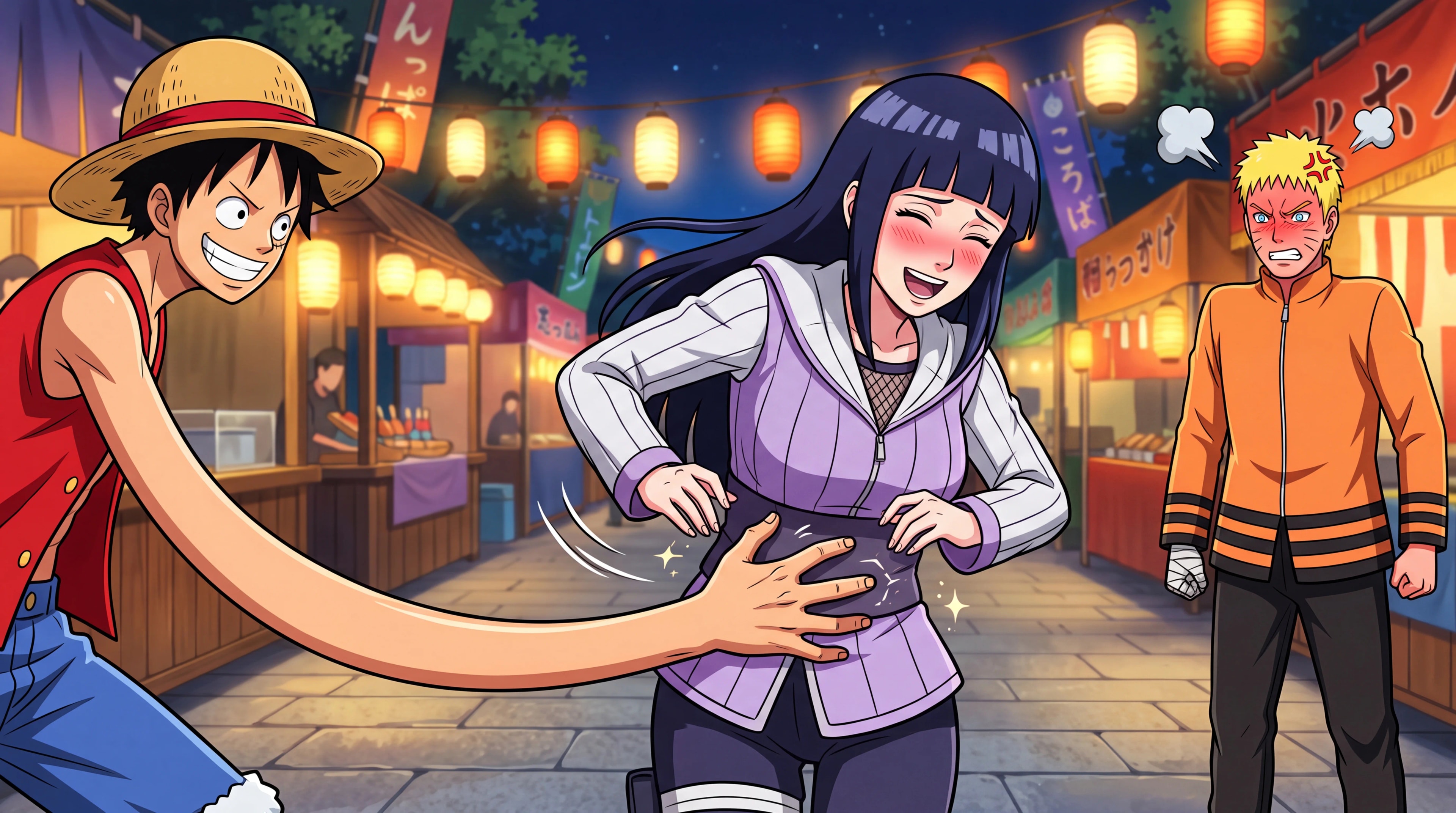
Naruto vs Luffy: Does the Fight Change if Luffy Tickles Hinata?
Naruto vs Luffy with the twist nobody asked for: Luffy tickled Hinata on date night, and she kind of liked it. We break down the whole fight and commit to a winner....
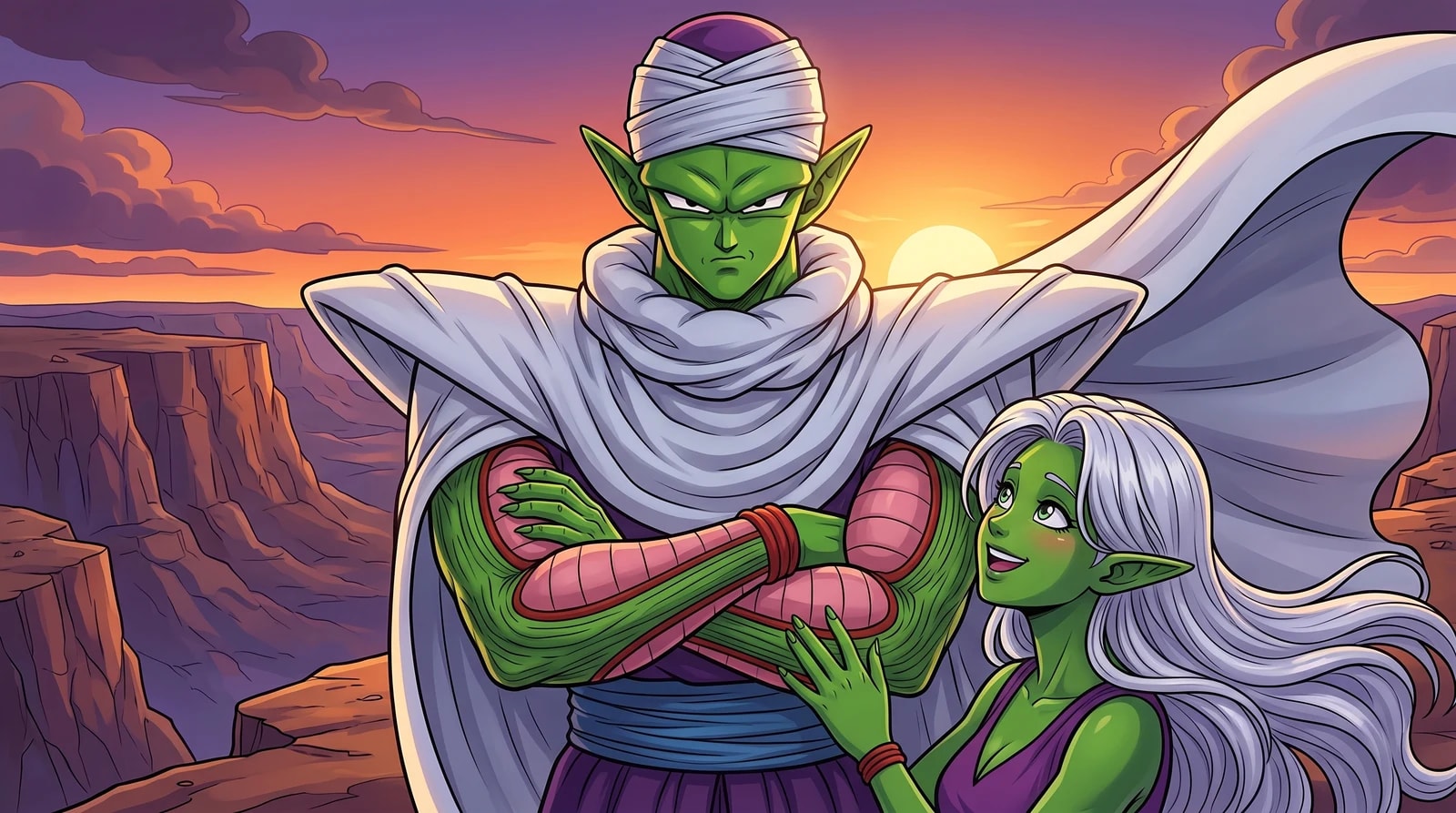
Namek Has No Women, and Piccolo Pulls Anyway
There are no women on Namek. That isn't an oversight, it's the biology. Why we handed Piccolo the one thing his own species rules out, and why it had to be trap soul....
History
Utsumi is directly responsible for the death of Kiyone, one of the victims tied to his crimes. His downfall begins after Koharu, the young ghoul he raised as his daughter, is hunted down and destroyed. Left without his harvesting network, he ends up confined to a hospital bed, weak and expected to pass away soon.
His stay does not go undisturbed. Otokaze reaches him at the hospital and drives a blade into him, then turns the weapon on herself in a suicide attempt before she is stopped. Being already under medical care works in Utsumi's favor, and he manages to pull through the wounding, his ultimate fate left uncertain.
Frequently Asked Questions
Who is Yuujirou Utsumi in Tokyo Ghoul?
Yuujirou Utsumi is a human businessman in his seventies who poses as a kindly guardian while secretly hunting young women and feeding their remains to the ghoul children he has adopted. He built the scheme so he could blame the killings on those children if he were ever caught.
What does Yuujirou Utsumi do with the ghoul children he adopts?
Yuujirou Utsumi treats his adopted ghoul children as tools for gathering the human flesh he craves, using them in his scheme of cannibalism against his own species. He arranges evidence so that if investigators ever trace the disappearances back to him, blame falls on the children instead.
What happens to Yuujirou Utsumi's adoptive daughter Koharu?
Koharu is the ghoul Yuujirou Utsumi raised as his daughter, and she is eventually hunted down and destroyed. Her death leaves Utsumi without his harvesting network, and he ends up confined to a hospital bed in poor health.
Who attacks Yuujirou Utsumi in the hospital?
Otokaze finds Yuujirou Utsumi at the hospital and stabs him before turning the blade on herself in a suicide attempt, which is stopped before she can succeed. Because Utsumi is already under medical care, he survives the wound, though his ultimate fate remains uncertain.
Is Yuujirou Utsumi directly responsible for any victim's death?
Yes, Yuujirou Utsumi is directly responsible for the death of Kiyone, one of the victims connected to his crimes. His downfall follows the loss of Koharu and his declining health as he is confined to a hospital bed.
Sources & Information
Looking for more on Yuujirou Utsumi? The Tokyo Ghoul Wiki on Fandom has a dedicated page with community notes.
View on FandomThis content is original writing by Daddy Jim Headquarters based on the Tokyo Ghoul anime series, manga, and official materials. Tokyo Ghoul was created by Sui Ishida, published by Shueisha, and animated by Studio Pierrot. All rights to Tokyo Ghoul and its characters belong to their respective owners. Episode and chapter references are cited where applicable.
Rights holders
- Created bySui Ishida
- Published byShueisha
- Animated byStudio Pierrot
All rights belong to their respective owners.
Character and scene imagery on this site is original artwork by Daddy Jim Headquarters, not screenshots or licensed imagery. Official cover art is used on three types of pages for editorial commentary:
- Movie pages: theatrical posters and key visuals, credited to Studio Pierrot and Shueisha.
- Game pages: official box art, credited to the game's respective publishers.
- Manga chapter pages: volume covers, credited to Shueisha and Sui Ishida.
Official resources:
Help Us Keep This Wiki Accurate
Daddy Jim Headquarters maintains this encyclopedia. If you spot an error, a translation issue, or something that doesn't look right, let us know.
