Hashira arrive on Mount Natagumo as Giyu fells the Spider patriarch in one stroke. Cornered by Rui's blood threads with Nezuko bleeding above him, Tanjiro recalls his father's fire dance and ignites a brand new technique to behead the Lower Rank.
Summary
The nineteenth episode brings the duel with Rui to its peak. After Giyu reduces Father to ash, Inosuke is left tied to a tree and Shinobu tends to Zenitsu's poison. Tanjiro's blade shatters against Rui's threads, and the demon, the Lower Rank Five of the Twelve Kizuki, demands he surrender Nezuko. Pushed to the edge of death, Tanjiro remembers a childhood memory of his father's ceremonial kagura and unlocks the Hinokami dance, which combined with Nezuko's awakened Blood Demon Art lets him sever the demon's neck.

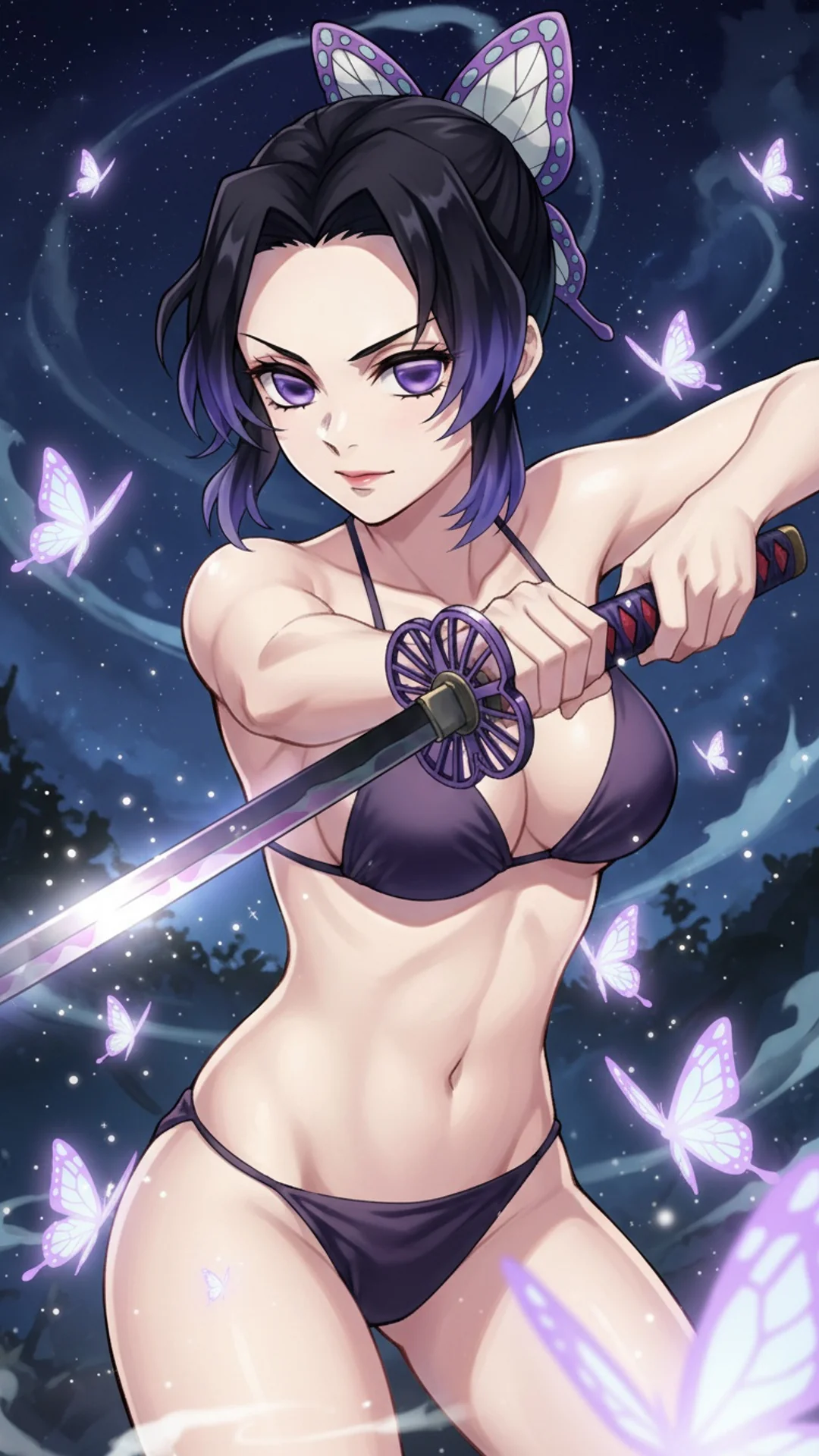
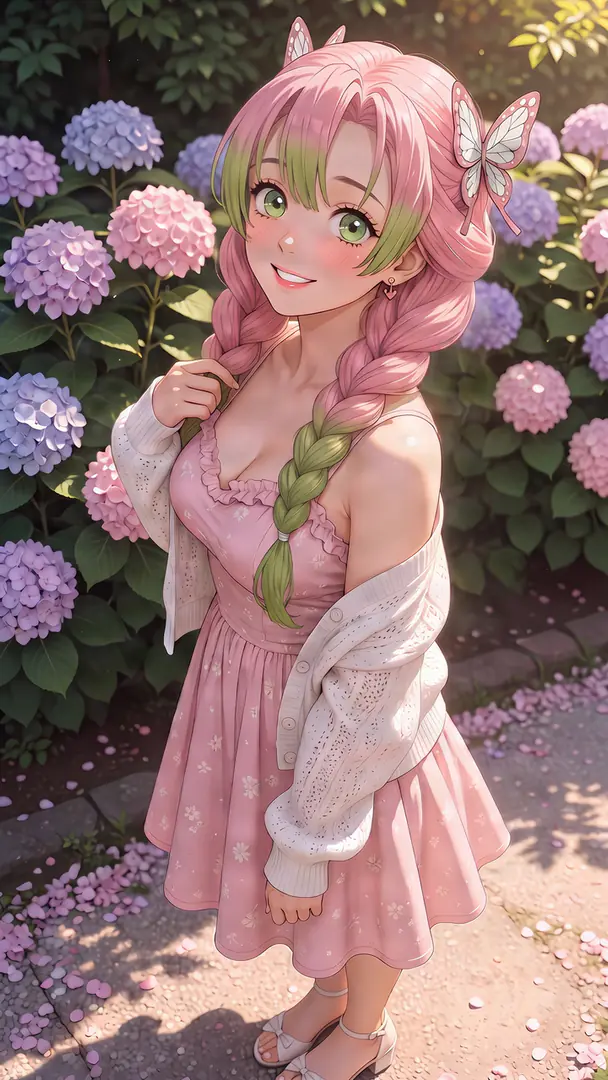
Key Events
The aftermath of Father
Inosuke demands a rematch from his rescuer, but Giyu calmly ties him to a tree and tells him to return to training. Shinobu injects an antidote into Zenitsu and praises him for slowing the toxin through his breathing.
Rui's ultimatum
Nezuko leaps in to shield her brother and is gravely cut. Recognizing her as Tanjiro's sister protecting him, Rui covets that genuine bond and orders Tanjiro to hand her over. When Tanjiro refuses, the demon reveals the engraved mark of Lower Rank Five and strings Nezuko up in the trees to bleed.
The fire dance
Facing death inside a cage of blood threads, Tanjiro relives his father teaching him the breathing of the Hinokami ritual. He shifts his pattern and his Water Breathing ignites into the Hinokami Kagura's opening form, slicing through the strongest threads. Spurred by a vision of her mother, Nezuko awakens Exploding Blood, and the flames clear the path for Tanjiro to decapitate Rui.
Notes
Drawn from chapters 38 through 40, the episode takes its title from chapter 40. The manga has Rui flinging individual threads where the anime sends entire webs, and Nezuko's spilled blood lands on Tanjiro's face in print but on his blade onscreen. The anime greatly extends the forest chase and adds Rui physically striking Tanjiro. Kamado Tanjiro no Uta, performed by Nami Nakagawa with music from Go Shiina, plays here as both the inserted theme and the closing track.
Related Reading
See all
Demon Slayer Infinity Castle Is the Biggest Anime Movie Ever but It Still Lost in Japan
Demon Slayer: Infinity Castle earned $778 million globally and nearly 40 billion yen in Japan, but it still couldn't top Mugen Train's domestic record. Here's why that barely matters....
Super Saiyan Pubes: The Song About Where Super Saiyan Hair Actually Goes
The transformation everyone knows, the follow-up question nobody would touch. Why we made a smooth R&B track about the golden glow Dragon Ball never talks about....
Frequently Asked Questions
What happened in Demon Slayer episode 19, Hinokami?
In episode 19, Hinokami, the Hashira arrive on Mount Natagumo and Giyu kills the Spider patriarch in one stroke. Cornered by Rui's blood threads with Nezuko bleeding above him, Tanjiro recalls his father's fire dance and unlocks the Hinokami Kagura, which combined with Nezuko's awakened Blood Demon Art lets him behead Rui.
What is the Hinokami Kagura in Demon Slayer episode 19?
The Hinokami Kagura is a new technique Tanjiro ignites in episode 19 by reliving his father teaching him the breathing of the Hinokami ritual. Facing death inside Rui's cage of blood threads, his Water Breathing shifts into the Hinokami Kagura's opening form, slicing through the strongest threads.
How does Tanjiro unlock the Hinokami dance against Rui?
Tanjiro unlocks the Hinokami dance after Rui strings Nezuko up to bleed and pushes him to the edge of death. He remembers a childhood memory of his father's ceremonial kagura, changes his breathing pattern, and his Water Breathing ignites into the Hinokami Kagura's opening form.
What chapters is Demon Slayer episode 19, Hinokami, based on?
Episode 19, Hinokami, is drawn from chapters 38 through 40 of the manga and takes its title from chapter 40. The anime extends the forest chase, sends entire webs instead of individual threads, and adds Rui physically striking Tanjiro.
What song plays in Demon Slayer episode 19?
Kamado Tanjiro no Uta, performed by Nami Nakagawa with music from Go Shiina, plays in episode 19 as both the inserted theme and the closing track.
Sources & Information
Looking for more on Hinokami? The Demon Slayer Wiki on Fandom has a dedicated page with community notes.
View on FandomThis content is original writing by Daddy Jim Headquarters based on the Demon Slayer anime series, manga, and official materials. Episode and chapter references are cited where applicable.
Character and scene imagery on this site is original artwork by Daddy Jim Headquarters, not screenshots or licensed imagery. Official cover art is used on three types of pages for editorial commentary:
- Movie pages: theatrical posters and key visuals, credited to ufotable and Aniplex.
- Game pages: official box art, credited to Sega, Aniplex, and other publishers.
- Manga chapter pages: Jump Comics volume covers, credited to Shueisha and Koyoharu Gotouge.
Official resources:
Help Us Keep This Wiki Accurate
Daddy Jim Headquarters maintains this encyclopedia. If you spot an error, a translation issue, or something that doesn't look right, let us know.