Tanjiro wakes by severing his own neck in the dream and frees the others from Enmu's spell. He confronts the demon directly, repeatedly killing himself to escape the hypnosis, only to learn too late that Enmu has merged his body with the entire train.
Summary
The thirtieth episode shows Tanjiro breaking out of the dream by cutting his own throat within it, then waking the others and confronting Enmu atop the locomotive. The demon repeatedly drags him back into sleep, but Tanjiro keeps killing himself to surface again and finally decapitates him. The triumph proves hollow when the demon, having bonded himself to the locomotive, reveals that the whole train is now his body, putting hundreds of passengers in danger.


Key Events
Breaking the spell
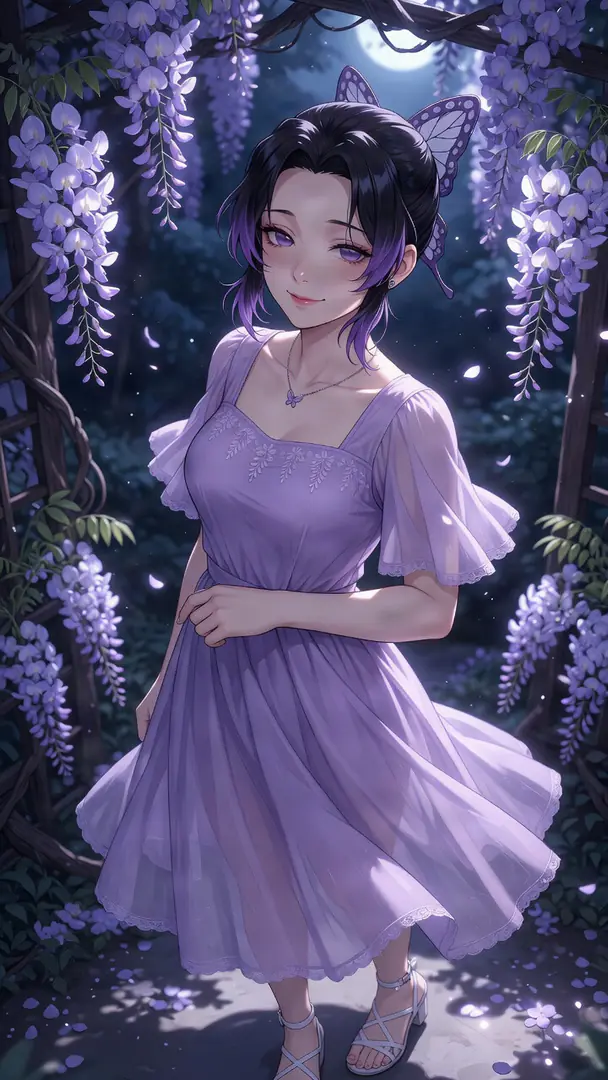
Pushing the blade into his neck inside the dream, Tanjiro opens the path out of his subconscious and wakes. In their own dreamscapes, Inosuke and Zenitsu turn on the children sent to harm them. Once awake, Tanjiro has Nezuko burn the ropes binding them, recognizes the punched tickets as the source of the spell, and knocks out the children attacking him, sparing them with sympathy. Repulsed by a demonic scent on the wind, he climbs to the roof and faces Enmu.
The train revealed
Furious that the demon tampered with his memories of his family, Tanjiro attacks with Water Breathing's Tenth Form, Constant Flux. Enmu counters with hypnosis, but Tanjiro keeps killing himself in each dream to wake and strike again, eventually beheading him. Sensing the kill was too easy, he watches in alarm as Enmu's head fuses to the carriage and announces he has merged with the whole train and its two hundred passengers. As tentacles threaten the sleepers, Nezuko rouses Inosuke, who bursts up and slices the demonic flesh with Beast Breathing's Fifth Fang, Crazy Cutting.
Notes
The episode borrows its title from the corresponding chapter, and the eyecatchers recreate two chapter covers. One staging difference from the source: in the manga Enmu stands still while casting his hypnosis, whereas the anime has him dodging Tanjiro's swings while using the technique continuously.
Related Reading
See all
Demon Slayer Infinity Castle Is the Biggest Anime Movie Ever but It Still Lost in Japan
Demon Slayer: Infinity Castle earned $778 million globally and nearly 40 billion yen in Japan, but it still couldn't top Mugen Train's domestic record. Here's why that barely matters....
Super Saiyan Pubes: The Song About Where Super Saiyan Hair Actually Goes
The transformation everyone knows, the follow-up question nobody would touch. Why we made a smooth R&B track about the golden glow Dragon Ball never talks about....
Frequently Asked Questions
What happens in Demon Slayer Episode 30 Insult?
In Demon Slayer Episode 30, titled Insult, Tanjiro breaks out of Enmu's dream by cutting his own throat, wakes the others, and confronts the demon atop the locomotive. He repeatedly kills himself in each hypnotic dream to surface and finally beheads Enmu, only to learn the demon has merged his body with the entire train.
How does Tanjiro escape Enmu's hypnosis in Episode 30?
In Episode 30 Insult, Tanjiro escapes Enmu's hypnosis by pushing his blade into his own neck inside the dream, which opens the path out of his subconscious and wakes him. Each time Enmu drags him back to sleep, Tanjiro kills himself again to surface and strike.
What breathing technique does Tanjiro use against Enmu in Episode 30?
In Episode 30 Insult, Tanjiro attacks Enmu with Water Breathing's Tenth Form, Constant Flux, after learning the demon tampered with his memories of his family.
How did Enmu merge with the train in Demon Slayer Episode 30?
In Episode 30 Insult, after Tanjiro beheads Enmu, the demon's head fuses to the carriage and announces he has bonded himself to the locomotive, making the whole train his body and endangering its two hundred passengers.
What technique does Inosuke use in Episode 30 of Demon Slayer?
In Episode 30 Insult, after Nezuko rouses him, Inosuke bursts up and slices the demonic flesh threatening the sleepers using Beast Breathing's Fifth Fang, Crazy Cutting.
Sources & Information
Looking for more on Insult? The Demon Slayer Wiki on Fandom has a dedicated page with community notes.
View on FandomThis content is original writing by Daddy Jim Headquarters based on the Demon Slayer anime series, manga, and official materials. Episode and chapter references are cited where applicable.
Character and scene imagery on this site is original artwork by Daddy Jim Headquarters, not screenshots or licensed imagery. Official cover art is used on three types of pages for editorial commentary:
- Movie pages: theatrical posters and key visuals, credited to ufotable and Aniplex.
- Game pages: official box art, credited to Sega, Aniplex, and other publishers.
- Manga chapter pages: Jump Comics volume covers, credited to Shueisha and Koyoharu Gotouge.
Official resources:
Help Us Keep This Wiki Accurate
Daddy Jim Headquarters maintains this encyclopedia. If you spot an error, a translation issue, or something that doesn't look right, let us know.