A near-fatal moment unlocks Muichiro's buried memories, revealing the loss of his parents, his bitter twin Yuichiro, and the night a demon destroyed his home. Awakening his mark, he returns to battle Gyokko with renewed fury.
Summary
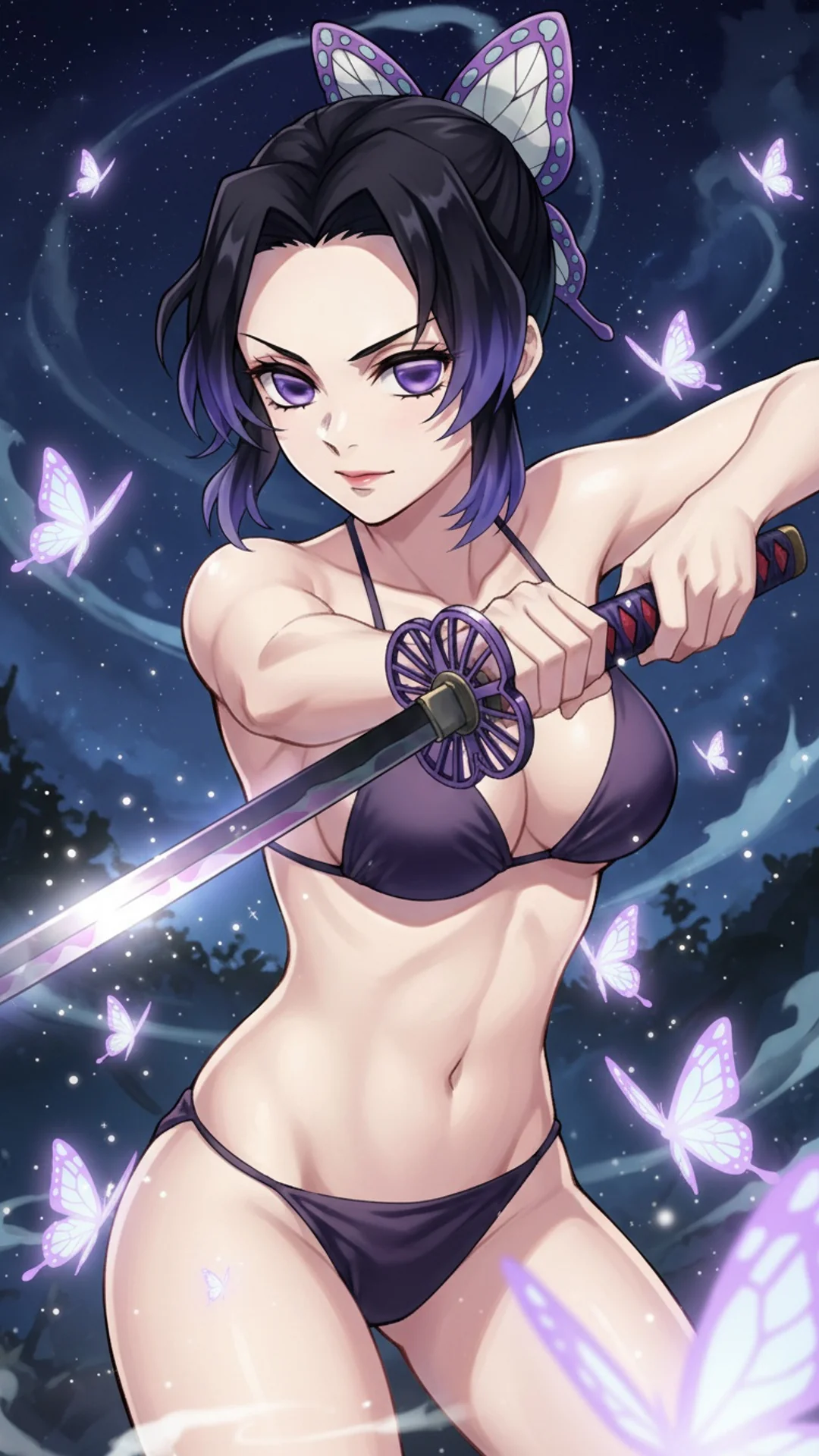
The 52nd anime episode and eighth of the third season adapts chapters 118 and 119, taking its title from chapter 118. Freed from Gyokko's water prison but poisoned and weakened, Muichiro cannot rise to protect the unconscious Kotetsu. As fish demons close in, his lost past floods back: a woodcutter father, a sickly mother, and a twin brother named Yuichiro whose harsh words masked a desperate love. The recollection of how his memory and rage were forged awakens Muichiro's Demon Slayer Mark, and he turns the full weight of that anger on Upper Rank Five.


Key Events
The Tokito tragedy
Muichiro recalls helping his father fell trees and tending his feverish mother during a storm. His father dies reaching for medicinal herbs on a cliff, and his mother passes the same night, leaving the eleven-year-old twins orphaned.
Yuichiro's cruelty
Yuichiro mocks the idea of helping others and dismisses their late parents, telling Muichiro the "Mu" in his name means worthlessness. Amane Ubuyashiki later reveals the boys descend from the wielders of the first Breathing Style, but Yuichiro drives her away.
The mark awakens
When a demon invades their home, Yuichiro shields Muichiro and loses an arm. In a blind rage Muichiro butchers the creature, then crawls back to hear his dying brother pray for him alone. The memory triggers three red markings on his face, and Muichiro slices through Gyokko's tentacles before beheading-stance assaults force the demon to keep fleeing between his vases.
Notes
The episode is named after chapter 118. Its first eyecatcher recreates Volume 14's title page and the second loosely recreates chapter 108's cover. Much of chapters 118 and 119 is reordered and greatly extended in the anime, including original scenes of young Muichiro gathering wood with his father, his father falling to his death reaching for herbs, and several poisoned fish demons pouncing on Kotetsu rather than a single attacker. Muichiro's monologue recalling Yuichiro's final apology is also moved later and reordered.
Related Reading
See all
Demon Slayer Infinity Castle Is the Biggest Anime Movie Ever but It Still Lost in Japan
Demon Slayer: Infinity Castle earned $778 million globally and nearly 40 billion yen in Japan, but it still couldn't top Mugen Train's domestic record. Here's why that barely matters....
Super Saiyan Pubes: The Song About Where Super Saiyan Hair Actually Goes
The transformation everyone knows, the follow-up question nobody would touch. Why we made a smooth R&B track about the golden glow Dragon Ball never talks about....

Frequently Asked Questions
What does the Mu in Muichiro mean in Demon Slayer?
In the episode The Mu in Muichiro, Yuichiro tells his twin that the "Mu" in Muichiro's name means worthlessness, a cruel remark made while mocking the idea of helping others. This insult is part of the buried memory that resurfaces and fuels Muichiro's rage.
What happens in The Mu in Muichiro episode of Demon Slayer?
In The Mu in Muichiro, a poisoned and weakened Muichiro recovers his lost memories, including the death of his parents and the bitterness of his twin Yuichiro. Awakening his Demon Slayer Mark, he returns to battle Upper Rank Five Gyokko with renewed fury.
What chapters does Demon Slayer episode 52 The Mu in Muichiro adapt?
The Mu in Muichiro is the 52nd anime episode and the eighth episode of the third season, and it adapts chapters 118 and 119 of the manga. The episode takes its title from chapter 118.
How does Muichiro awaken his Demon Slayer Mark in The Mu in Muichiro?
In The Mu in Muichiro, recalling the night a demon invaded his home and his dying brother's prayer for him triggers three red markings on Muichiro's face, awakening his Demon Slayer Mark. He then slices through Gyokko's tentacles and forces the demon to keep fleeing between his vases.
What is the Tokito family tragedy shown in The Mu in Muichiro?
In The Mu in Muichiro, the eleven-year-old twins Muichiro and Yuichiro are orphaned when their woodcutter father dies reaching for medicinal herbs on a cliff and their sickly mother passes the same night. Amane Ubuyashiki later reveals the boys descend from the wielders of the first Breathing Style.
Sources & Information
Looking for more on The Mu in Muichiro? The Demon Slayer Wiki on Fandom has a dedicated page with community notes.
View on FandomThis content is original writing by Daddy Jim Headquarters based on the Demon Slayer anime series, manga, and official materials. Episode and chapter references are cited where applicable.
Character and scene imagery on this site is original artwork by Daddy Jim Headquarters, not screenshots or licensed imagery. Official cover art is used on three types of pages for editorial commentary:
- Movie pages: theatrical posters and key visuals, credited to ufotable and Aniplex.
- Game pages: official box art, credited to Sega, Aniplex, and other publishers.
- Manga chapter pages: Jump Comics volume covers, credited to Shueisha and Koyoharu Gotouge.
Official resources:
Help Us Keep This Wiki Accurate
Daddy Jim Headquarters maintains this encyclopedia. If you spot an error, a translation issue, or something that doesn't look right, let us know.