Now wearing the Corps uniform and carrying a sleeping Nezuko in a daytime box, Tanjiro takes his first job in a northern town where young women keep disappearing at night, and his nose soon leads him to a demon that hides inside swamp water.
Summary
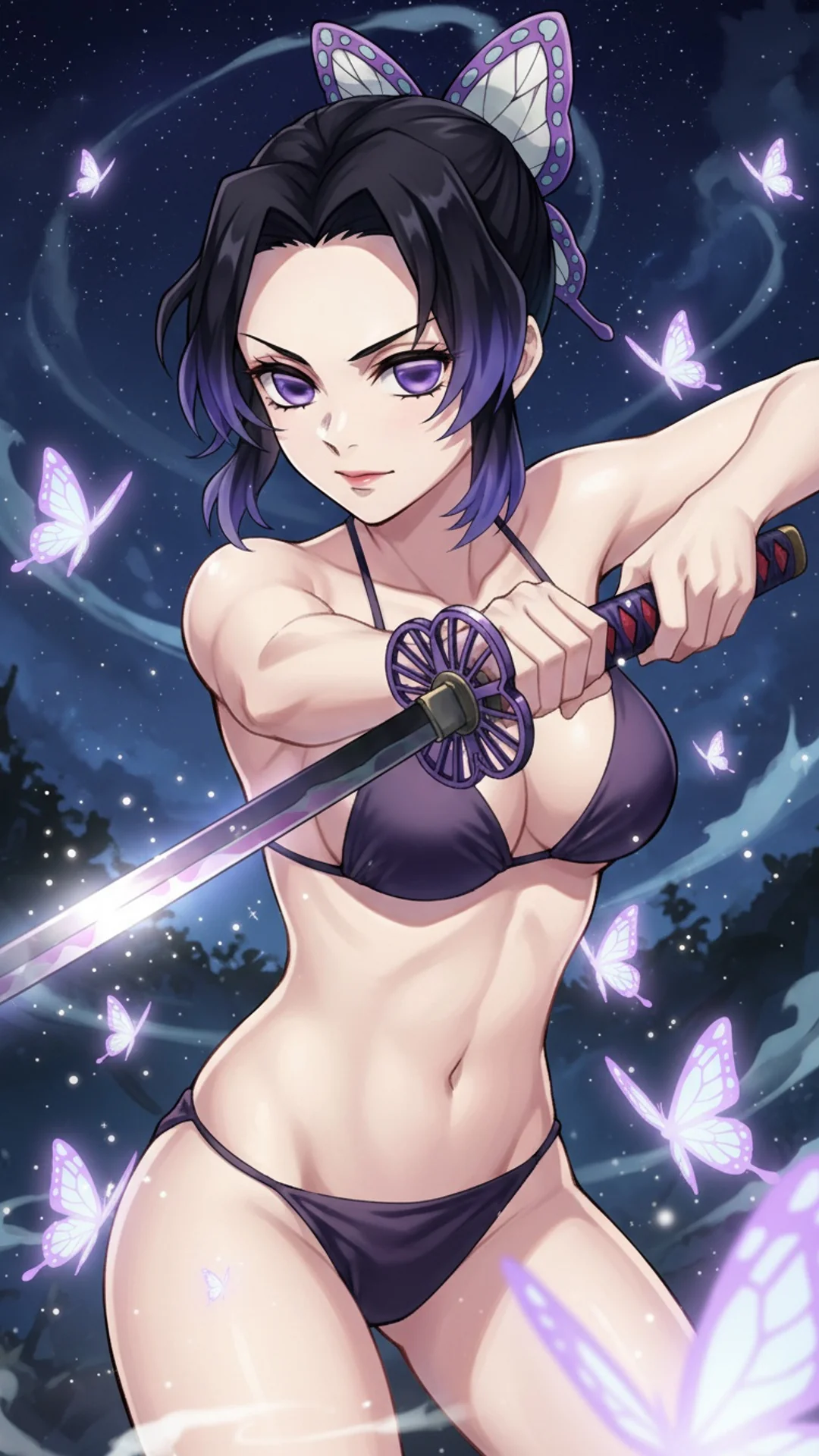
Episode 6, adapting Chapters 10 and 11, follows Tanjiro on his debut Corps assignment. Before he leaves Mount Sagiri, Sakonji Urokodaki tells him about the gear he now carries: a uniform woven from a special fiber that resists water, flame, and the bite of a lesser demon, and a fresh box of lighter, hardier wood for transporting Nezuko by day. The episode introduces the Swamp Demon, the first proper enemy Tanjiro hunts on his own, and it ends just as Nezuko leaps into the fight.


Key Events
The northern town
Reaching the town to the northwest, Tanjiro meets Kazumi, a distraught man whose partner Satoko vanished without a trace. While the locals have written off the disappearances, Tanjiro tells Kazumi he believes him and starts investigating, picking up the lingering trace of a demon in the alley where Satoko was last seen.
The swamp creature appears
That night a girl named Tokie is dragged through her own bedroom floor as it turns to dark, swampy water. Tanjiro races across the rooftops, drives his blade into the ground, and pulls her free from the muck. He realizes the demon wields a Blood Demon Art and that he is actually facing three identical copies of it.
Nezuko steps in
Tanjiro recalls Sakonji's warning about the progenitor Muzan Kibutsuji, the original demon from over a thousand years ago. As the clones overwhelm him, Nezuko bursts from her box, kicks one aside, and gently touches Kazumi and the girl, seeing her own siblings in them before charging the demons.

Notes
The two eyecatchers reproduce the covers of Chapters 10 and 11. The opening differs from the manga: the printed version begins with Tanjiro already in town, while the anime adds a short scene of him donning the uniform and receiving Sakonji's briefing, material the manga presented only as a memory. Muzan appears here as a silhouette during Sakonji's explanation.
Related Reading
See all
Demon Slayer Infinity Castle Is the Biggest Anime Movie Ever but It Still Lost in Japan
Demon Slayer: Infinity Castle earned $778 million globally and nearly 40 billion yen in Japan, but it still couldn't top Mugen Train's domestic record. Here's why that barely matters....
Super Saiyan Pubes: The Song About Where Super Saiyan Hair Actually Goes
The transformation everyone knows, the follow-up question nobody would touch. Why we made a smooth R&B track about the golden glow Dragon Ball never talks about....


Frequently Asked Questions
What happens in Demon Slayer episode 6?
Demon Slayer episode 6, titled "Swordsman Accompanying a Demon," follows Tanjiro on his debut Corps assignment in a northern town where young women keep disappearing at night. He investigates the disappearances, encounters the Swamp Demon hiding inside swamp water, and the episode ends as Nezuko leaps into the fight.
What is the demon in Demon Slayer episode 6?
The demon in Demon Slayer episode 6 is the Swamp Demon, the first proper enemy Tanjiro hunts on his own. It wields a Blood Demon Art that lets it hide inside swamp water and split into three identical copies of itself.
What gear does Tanjiro receive in Demon Slayer episode 6?
In Demon Slayer episode 6, Sakonji Urokodaki gives Tanjiro a Corps uniform woven from a special fiber that resists water, flame, and the bite of a lesser demon. He also receives a fresh box of lighter, hardier wood for transporting Nezuko by day.
Who is Kazumi in Demon Slayer episode 6?
Kazumi is a distraught man Tanjiro meets in the northern town in Demon Slayer episode 6, whose partner Satoko vanished without a trace. Tanjiro tells Kazumi he believes him and begins investigating the disappearances.
What chapters does Demon Slayer episode 6 adapt?
Demon Slayer episode 6 adapts Chapters 10 and 11 of the manga, and its two eyecatchers reproduce the covers of those chapters. The anime opening differs from the manga by adding a scene of Tanjiro donning the uniform and receiving Sakonji's briefing.
Sources & Information
Looking for more on Swordsman Accompanying a Demon? The Demon Slayer Wiki on Fandom has a dedicated page with community notes.
View on FandomThis content is original writing by Daddy Jim Headquarters based on the Demon Slayer anime series, manga, and official materials. Episode and chapter references are cited where applicable.
Character and scene imagery on this site is original artwork by Daddy Jim Headquarters, not screenshots or licensed imagery. Official cover art is used on three types of pages for editorial commentary:
- Movie pages: theatrical posters and key visuals, credited to ufotable and Aniplex.
- Game pages: official box art, credited to Sega, Aniplex, and other publishers.
- Manga chapter pages: Jump Comics volume covers, credited to Shueisha and Koyoharu Gotouge.
Official resources:
Help Us Keep This Wiki Accurate
Daddy Jim Headquarters maintains this encyclopedia. If you spot an error, a translation issue, or something that doesn't look right, let us know.