Kakushi
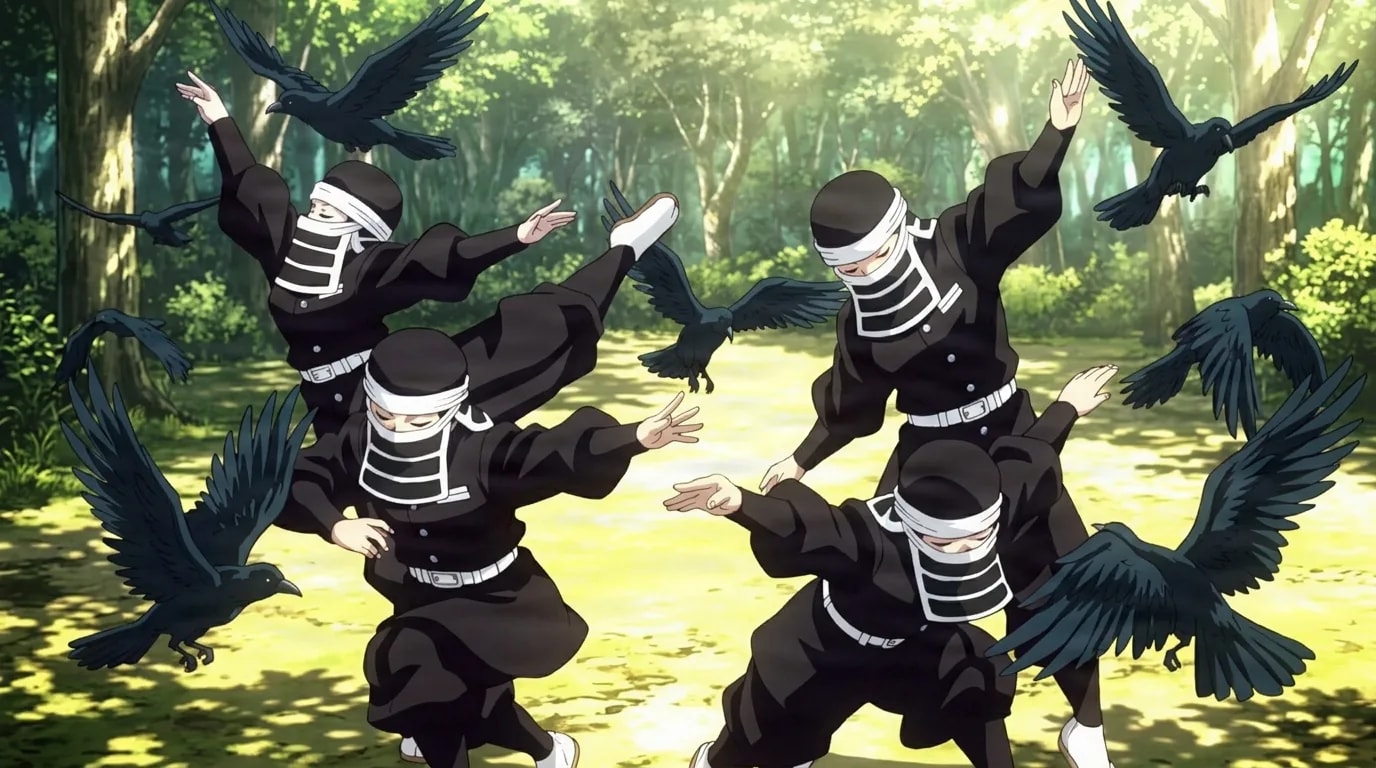
CharacterThe Kakushi are the support corps that works behind the scenes for the Demon Slayers. Masked to protect their identities, they treat the wounded, clear away the aftermath of battles, and keep the Corps running while staying out of direct combat.
Overview
The Kakushi are a brigade of attendants who handle the many tasks that keep the Demon Slayer Corps functioning. Their duties include giving first aid to slayers on the battlefield, clearing the site once a fight is over (Chapter 44), carrying the injured to the Butterfly Mansion to recover, and serving as staff there to care for residents and patients. They also mend the slayers' uniforms and ferry people to and from the Swordsmith Village.
The kanji used for their name carries the sense of hidden or concealed, along with shades of pity and sympathy, which suits the quiet, supportive nature of their work.



Role
Little is known about how the Kakushi recruit or how many of them there are, which lends the group an air of mystery. Some members are retired slayers, or slayers injured badly enough that they can no longer fight. Others are people who failed the Final Selection but still wished to serve the Corps in some capacity and joined the brigade instead.
For their work they wear dark versions of the standard slayer uniform, with a modified gakuran jacket whose longer hem and puffed sleeves allow free movement and the brigade's kanji inked on the back. Black stretchy fabric secures their sleeves and hakama, and they wear white jika-tabi with red flats. To guard their identities, they cover their heads and wear a paper-like mask split into front and back sections so they can still speak and breathe.
Notable Members
The brigade traces its origins to the Sengoku period, when the traitor Michikatsu Tsugikuni became a demon, killed the Corps leader of his era, and delivered the leader's head to Muzan Kibutsuji. After that betrayal, far greater effort went into concealing the leader's residence, and the Kakushi were formed. Among the named members are Goto and Masao Maeda. With Muzan's defeat and the disbanding of the Corps, the Kakushi ceased to exist.
Related Reading
See all
Demon Slayer Infinity Castle Is the Biggest Anime Movie Ever but It Still Lost in Japan
Demon Slayer: Infinity Castle earned $778 million globally and nearly 40 billion yen in Japan, but it still couldn't top Mugen Train's domestic record. Here's why that barely matters....
Super Saiyan Pubes: The Song About Where Super Saiyan Hair Actually Goes
The transformation everyone knows, the follow-up question nobody would touch. Why we made a smooth R&B track about the golden glow Dragon Ball never talks about....


Frequently Asked Questions
What is the Kakushi in Demon Slayer?
The Kakushi are the support corps that works behind the scenes for the Demon Slayer Corps. They treat the wounded on the battlefield, clear away the aftermath of battles, carry the injured to the Butterfly Mansion, mend slayer uniforms, and ferry people to and from the Swordsmith Village while staying out of direct combat.
Why do the Kakushi hide their faces?
The Kakushi cover their heads and wear masks to guard their identities. The mask is a paper-like covering split into front and back sections so members can still speak and breathe.
What does the name Kakushi mean?
The kanji used for the Kakushi carries the sense of hidden or concealed, along with shades of pity and sympathy. This meaning suits the quiet, supportive nature of their work for the Demon Slayer Corps.
Who are the named Kakushi members in Demon Slayer?
Among the named Kakushi members are Goto and Masao Maeda. The brigade includes retired slayers, slayers injured too badly to fight, and people who failed the Final Selection but still wished to serve the Corps.
How were the Kakushi formed?
The Kakushi trace their origins to the Sengoku period, when the traitor Michikatsu Tsugikuni became a demon, killed the Corps leader of his era, and delivered the leader's head to Muzan Kibutsuji. After that betrayal, far greater effort went into concealing the leader's residence, and the Kakushi were formed; they ceased to exist with Muzan's defeat and the disbanding of the Corps.
Sources & Information
Looking for more on Kakushi? The Demon Slayer Wiki on Fandom has a dedicated page with community notes.
View on FandomThis content is original writing by Daddy Jim Headquarters based on the Demon Slayer anime series, manga, and official materials. Episode and chapter references are cited where applicable.
Character and scene imagery on this site is original artwork by Daddy Jim Headquarters, not screenshots or licensed imagery. Official cover art is used on three types of pages for editorial commentary:
- Movie pages: theatrical posters and key visuals, credited to ufotable and Aniplex.
- Game pages: official box art, credited to Sega, Aniplex, and other publishers.
- Manga chapter pages: Jump Comics volume covers, credited to Shueisha and Koyoharu Gotouge.
Official resources:
Help Us Keep This Wiki Accurate
Daddy Jim Headquarters maintains this encyclopedia. If you spot an error, a translation issue, or something that doesn't look right, let us know.