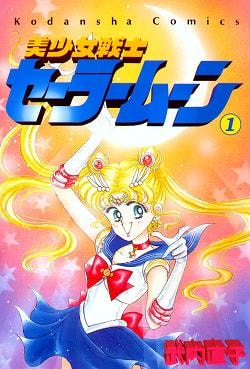
Bishoujo Senshi Sailor Moon is a 1992 Game Boy action platformer from Arc System Works and Bandai's Angel label, the franchise's first video game. Usagi explores town scenes then transforms to fight Youma and Jadeite across three levels.
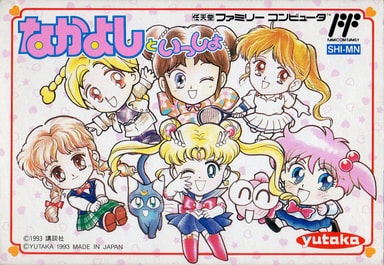
Nakayoshi to Issho is a 1993 Famicom RPG from Yutaka built around Nakayoshi magazine's manga roster. Sailor Moon is one of several worlds players visit to recover pens stolen from manga artists by the villain Rakira.

Bishoujo Senshi Sailor Moon: Kessen Dark Kingdom is a 1993 Sharp X68000 action game credited to Black HCS, distributed on two floppy disks in Japan. It is one of the rarest, least documented entries in the franchise's early game library.

Bishoujo Senshi Sailor Moon R is a 1993 Super Famicom side-scrolling beat 'em up from Angel and Bandai. Up to two players fight through four stages as the Inner Senshi or Chibiusa against the Makaiju aliens and the Black Moon Clan.

Bishoujo Senshi Sailor Moon S is a 1994 Sega Pico children's title from Bandai. Players flip storybook-style cartridge pages and use the Pico's pen to color scenes, play mini-games, and act out a Death Busters storyline.

Bishoujo Senshi Sailor Moon S: Kondo wa Puzzle de Oshiokiyo! is a 1994 Super Famicom puzzle game from Tom Create and Bandai. Players clear color-matched blocks using Tuxedo Mask or one of the Sailor Guardians, each with a unique special attack.

Bishoujo Senshi Sailor Moon S: Jogai Ranto!? Shuyaku Sodatsusen is a 1994 Super Famicom fighting game, Arc System Works' first, published by Angel. Nine Sailor Guardians battle in a tournament to decide the group's leader.

A trivia-battle disc for Bandai's Playdia player in which the Sailor Guardians face a run of revived S-season villains and must clear a string of multiple-choice quiz rounds to recover a stolen Pure Heart Crystal.

A Sailor Moon S tie-in for Bandai's Terebikko, an interactive VHS-and-console toy that lets a child answer quiz questions posed on tape by the anime's characters using a wired four-button handset.
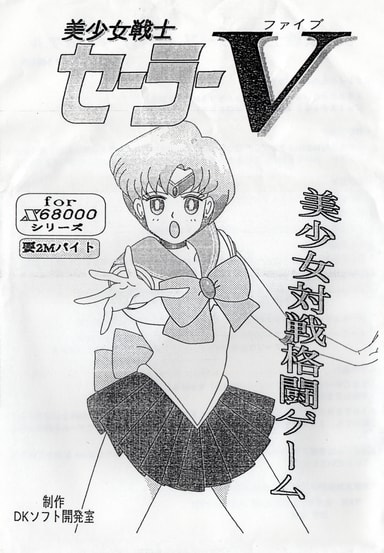
An unofficial doujin fighting game for the Sharp X68000 home computer, built around Sailor Venus and other Sailor Moon cast members trading physical attacks, throws, and special moves in one-on-one matches.
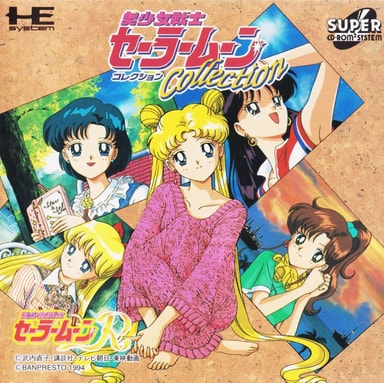
Bishoujo Senshi Sailor Moon Collection is a 1994 PC Engine Super CD-ROM minigame anthology from TamTam and Banpresto. Five short games, each paired with a different Inner Senshi, package quizzes, memory tests, and reflex challenges.
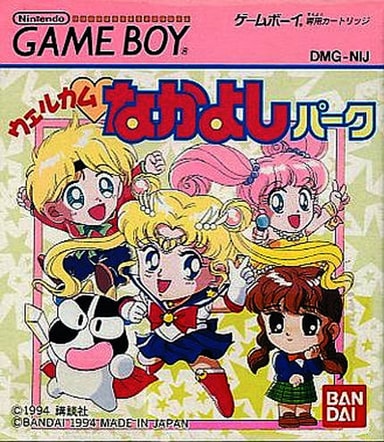
A 1994 Game Boy minigame collection set in a theme park populated by heroines from Nakayoshi manga magazine, including Sailor Moon's Usagi, Mamoru, Luna, and Artemis, who guide the player through a series of simple attractions.
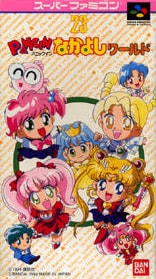
A 1994 Super Famicom puzzle game crossing Sailor Moon over with three other heroines from Nakayoshi manga magazine, who team up to clear invading monsters out of a shared world ruled by the villain King Daima.
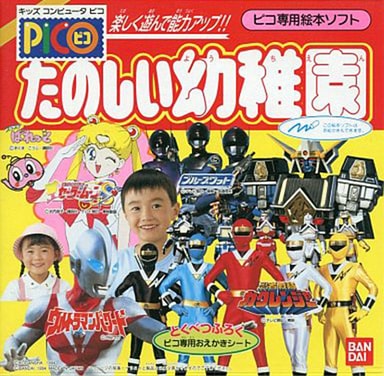
An edutainment cartridge for Bandai's Sega Pico kids' console tied to Kodansha's Tanoshii Youchien preschool magazine brand, weaving Sailor Moon in as one of several licensed characters rather than starring her in a dedicated game.

A head-to-head puzzle game for the Super Famicom built around the Sailor Moon S cast, where two players clear colored blocks on their own grid to collect more treasure than their opponent before time runs out.
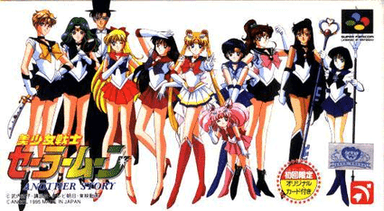
A turn-based RPG for the Super Famicom set between the S and SuperS anime seasons, in which all ten Sailor Guardians fight a 30th-century sorceress and her Oppositio Guardians to protect Crystal Tokyo and the Silver Crystal.

Fuwa Fuwa Panic is a 1995 Super Famicom puzzle game in which SuperS era Sailor Guardians face off popping rows of balloons stacked over each other's heads, building a gauge for special attacks and an assist from Tuxedo Mask.

Bishoujo Senshi Sailor Moon SuperS is a 1995 Sega Pico title that turns the SuperS cast into an interactive storybook, mixing a hiragana letter game, a quiz, dress-up, and Amazon Trio mini-games controlled with the console's touch pen.

Sailor Moon to Hiragana Lesson! is a 1995 Playdia title built entirely around teaching hiragana to young children, casting the player as Super Sailor Chibi Moon across five newly animated mini games bundled with an infrared wand controller.

Youkoso! Sailor Youchien, or Welcome to Sailor Kindergarten, is a 1995 Playdia disc from Bandai that frames early childhood activities around a kindergarten setting populated by the SuperS cast, released only in Japan for Bandai's FMV console.

Sailor Moon to Hajimete no Eigo is a 1995 Playdia disc from Bandai that uses full motion video and the SuperS cast to teach young Japanese children basic English, opening with an alphabet song and framing each lesson as a visit from the Inner Guardians.

Pretty Soldier Sailor Moon S is a 1995 one on one fighting game developed by Tose for Bandai, released exclusively for the 3DO in Japan with nine playable Guardians (Sailor Saturn excluded) in a story loosely following the anime's third season.
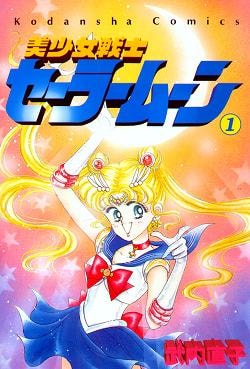
Pretty Soldier Sailor Moon is a 1995 side scrolling beat 'em up developed by Gazelle for Banpresto, sending the five original Sailor Guardians through eight stages of Dark Kingdom enemies, with a rare official international arcade release through Sega.
Charaful Comp: Pretty Soldier Sailor Moon Super S is a 1995 Japanese arcade redemption machine published by Banpresto under the Super S license, a prize dispensing cabinet rather than a conventional video game, and one of the least documented entries in the franchise's catalog.
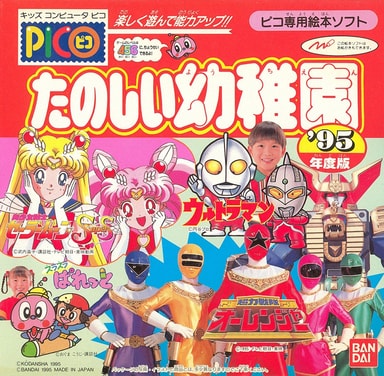
A 1995 edition of Bandai's recurring edutainment software line for the Sega Pico, aimed at preschoolers. It bundles learning activities with licensed characters, including Sailor Moon and Sailor Chibi Moon, rather than telling a dedicated Sailor Moon story.

A 1996 SNES fighting game published by Angel and developed by Make Software with Monolith Corp. It expands 1994's Jougai Rantou Shuyaku Soudatsusen with new characters, including Sailor Saturn, plus fresh story scenes and battle backgrounds.
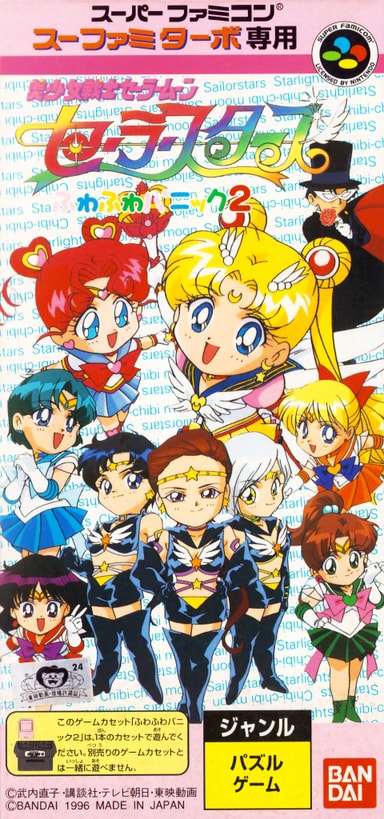
A 1996 SNES puzzle game from Bandai and the sequel to 1995's SuperS themed Fuwa Fuwa Panic. Characters use magical attacks to inflate and pop balloons stacked above an opponent's head, now recast with the Sailor Stars cast.

Angel's 1996 Sega Saturn fighting game, an enhanced port of the PlayStation's Shin Shuyaku Soudatsusen originally teased as a Plus edition before its rename. It expands the roster and adds content on top of the same one on one fighting formula.
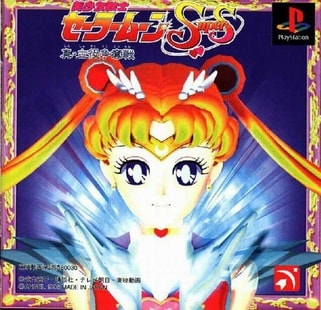
A Japan only 1996 PlayStation fighting game from Angel in which the Sailor Guardians battle to decide who should lead the group. It offers best of three one on one matches with attribute customization, and was later reworked into the Saturn's Various Emotion.
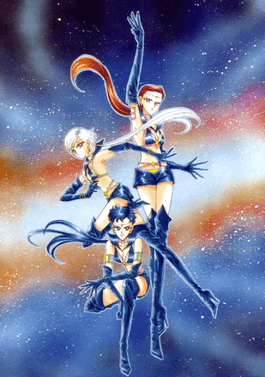
Subtitled Tokimeki Party, this is a 1996 Sega Pico edutainment release from Bandai tied to the Sailor Stars anime season, mixing a board game mode with a set of ten simple mini-games spread across the cartridge's pages.
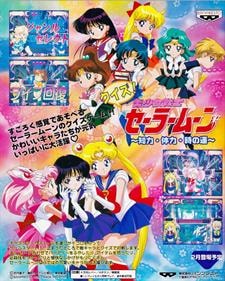
A Japan only 1997 arcade release from Banpresto that pairs a board game style world map with trivia battles, sending a chosen Sailor Guardian across the board to answer timed multiple choice questions against monster encounters.
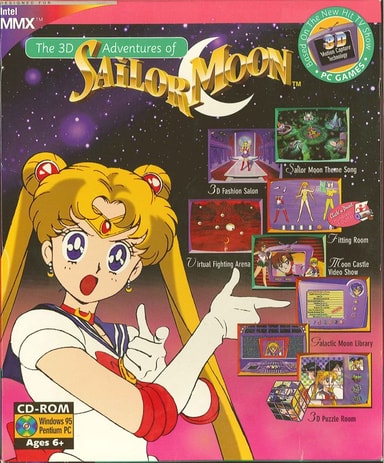
A 1997 Windows CD-ROM from American developer 3VR, made under DiC's English dub license. Despite its name it is a hub of mini games and attractions built around recovering the Sailor Guardians' stolen Transformation Pens from Queen Beryl.
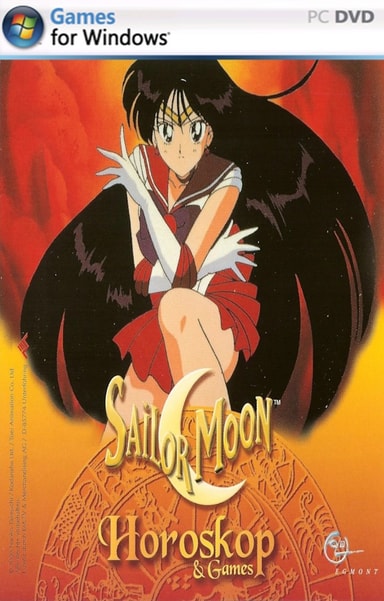
Sailor Moon Horoskop & Games is a German-exclusive Windows compilation of six mini-games for young fans, mixing puzzle, falling-block, horoscope, and calendar features, released in 2000 by Egmont Interactive and never localized beyond Germany.
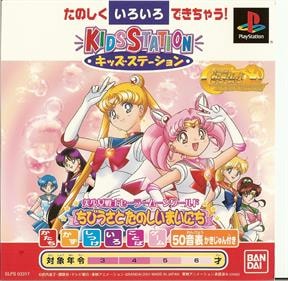
Kids Station: Bishoujo Senshi Sailor Moon World - Chibiusa to Tanoshii Mainichi is a Japan-only PlayStation edutainment title from Bandai, built around Chibiusa and simple mini-games that teach young children letters, numbers, and basic skills.
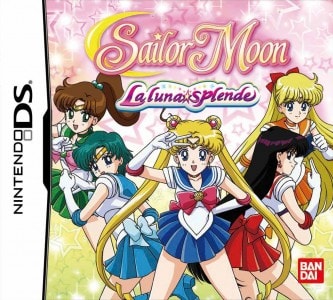
Sailor Moon: La Luna Splende is an Italy-only Nintendo DS side-scroller from 2011 that mixes platforming and puzzle stages, casting one of the five original Guardians in a rescue story pulled from the first anime season.
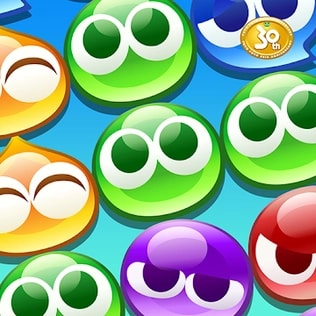
Puyopuyo!! Quest is Sega's free-to-play puzzle RPG built on the classic Puyo-matching mechanic. Since March 2019 it has run recurring Sailor Moon Crystal collaboration events adding guest character cards to the roster.
Monster Strike is Mixi's free-to-play physics action RPG for iOS and Android, where flicking monsters into enemies drives the combat. In November 2018 it ran a Sailor Moon Crystal collaboration event adding eleven guest characters.
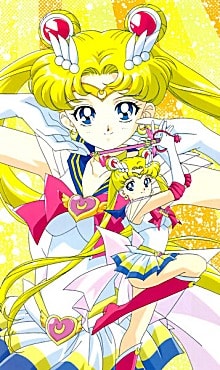
Silver Crystal for Sailor V is an unlicensed, fan-made Android runner made by hobbyist studio Duo Imagination, sending Sailor V through an endless underground course of gems, Youma, and boss fights. Bandai Namco had it pulled from Google Play after about a year.
Sailor Moon Drops is Bandai Namco's official match-three puzzle game for iOS and Android, retelling the original 1990s anime across five map chapters. It launched in Japan in 2015, went international in 2016, and closed in March 2019.
Arena of Valor is TiMi Studio Group's 5v5 mobile MOBA, launched region by region from 2016. In April 2023 it added a Sailor Moon Cosmos collaboration, giving three heroes Sailor Guardian-themed skins.
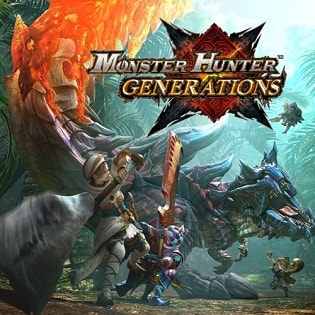
Monster Hunter XX is Capcom's 3DS hunting-action RPG, an expanded version of Monster Hunter X. In March 2017 it added a free Sailor Moon collaboration event marking the franchise's 25th anniversary.
Sources & Information
This content is original writing by Daddy Jim Headquarters based on the Dragon Ball anime series, manga, and official materials. Episode and chapter references are cited where applicable.
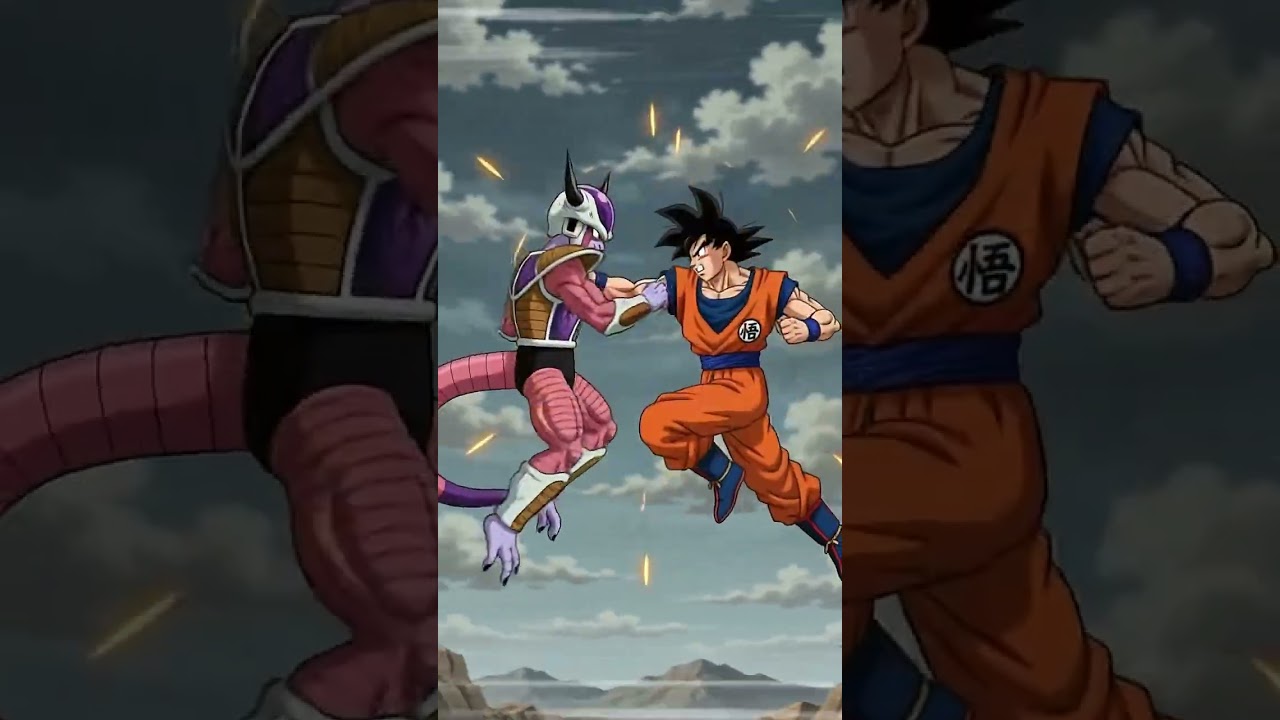
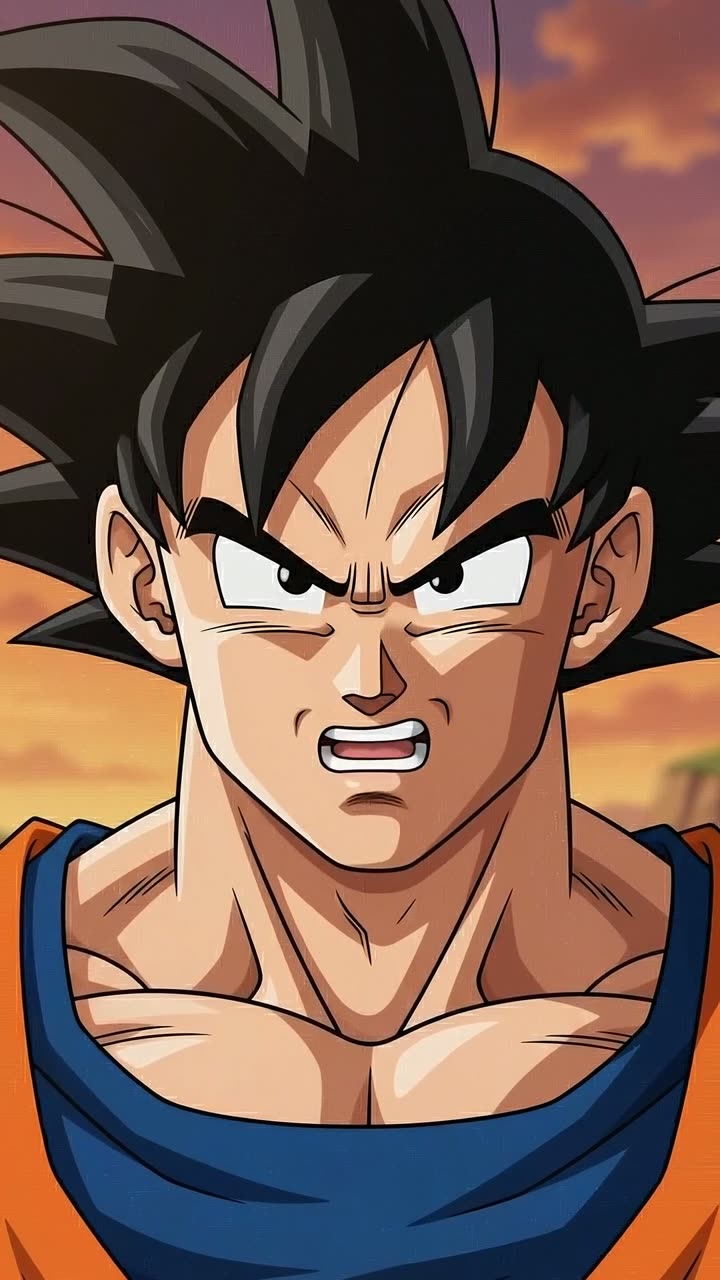
Character and scene imagery on this site is original artwork by Daddy Jim Headquarters, not screenshots or licensed imagery. Official cover art is used on three types of pages for editorial commentary:
- Movie pages: theatrical posters and key visuals, credited to Toei Animation and Shueisha.
- Game pages: official box art, credited to Bandai Namco, Atari, and other publishers.
- Manga chapter pages: Jump Comics volume covers, credited to Shueisha and Akira Toriyama.
Official resources:
Help Us Keep This Wiki Accurate
Daddy Jim Headquarters maintains this encyclopedia. If you spot an error, a translation issue, or something that doesn't look right, let us know.