Jet Pack
ItemA twin-turbine pack off Mei Hatsume's workbench that grants its wearer a short stretch of flight. The Buster Hero known as Airjet supplied the idea, the U.A. Support Course student supplied the engineering, and Izuku Midoriya is the one shown strapped into the result.
Overview
Credit for the concept belongs to Airjet, the Buster Hero whose own gear pointed the way. Mei Hatsume, studying in the Support Course at U.A. High School, took the notion and built her own version of it.
Function
The unit is a metal backpack carrying a pair of turbines. A red trigger, held in the hand, sets them off. Ignition comes hard enough to lift the wearer clear of the ground, though the flight it buys covers only a short distance.


Related Reading
See all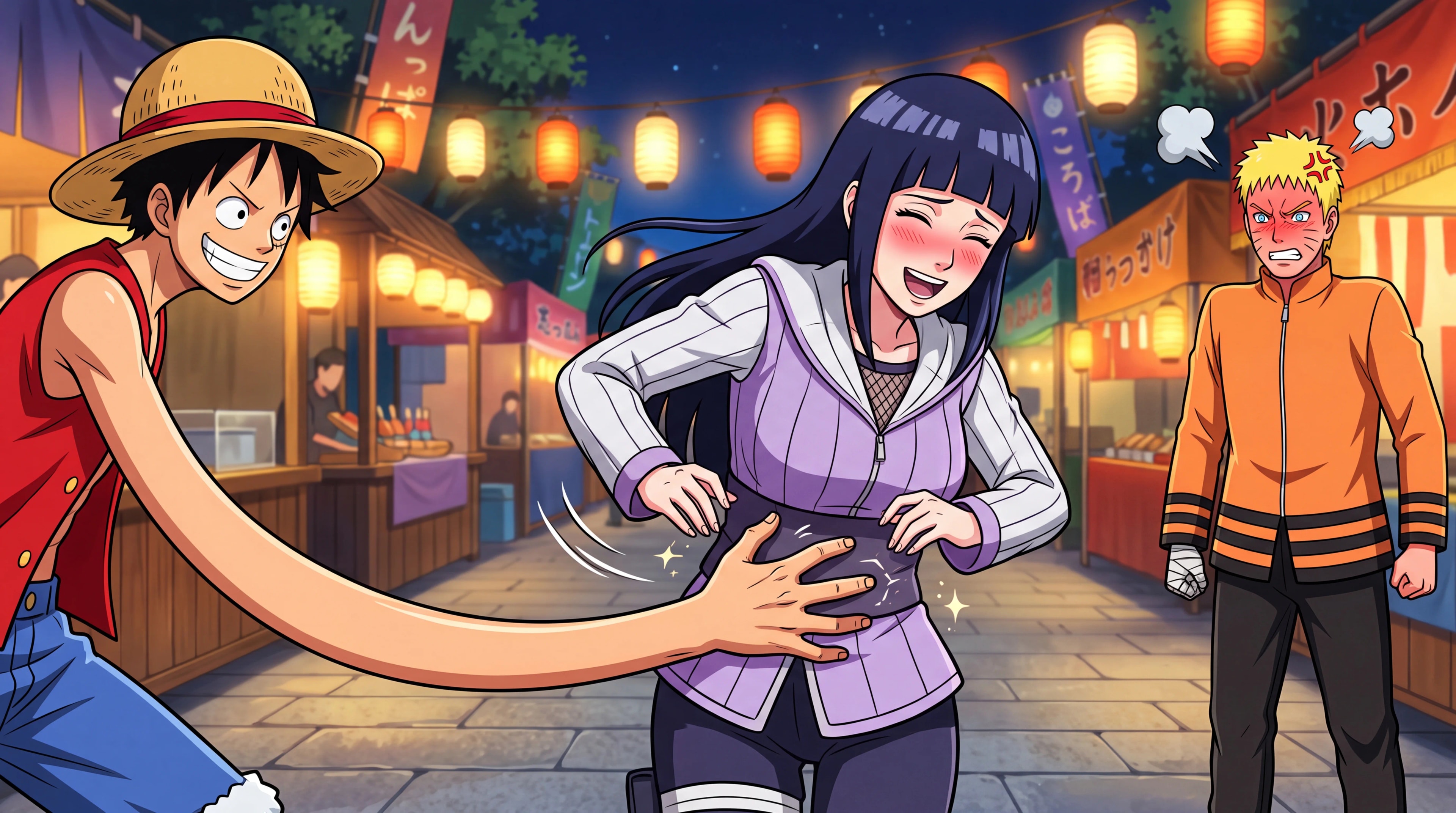
Naruto vs Luffy: Does the Fight Change if Luffy Tickles Hinata?
Naruto vs Luffy with the twist nobody asked for: Luffy tickled Hinata on date night, and she kind of liked it. We break down the whole fight and commit to a winner....
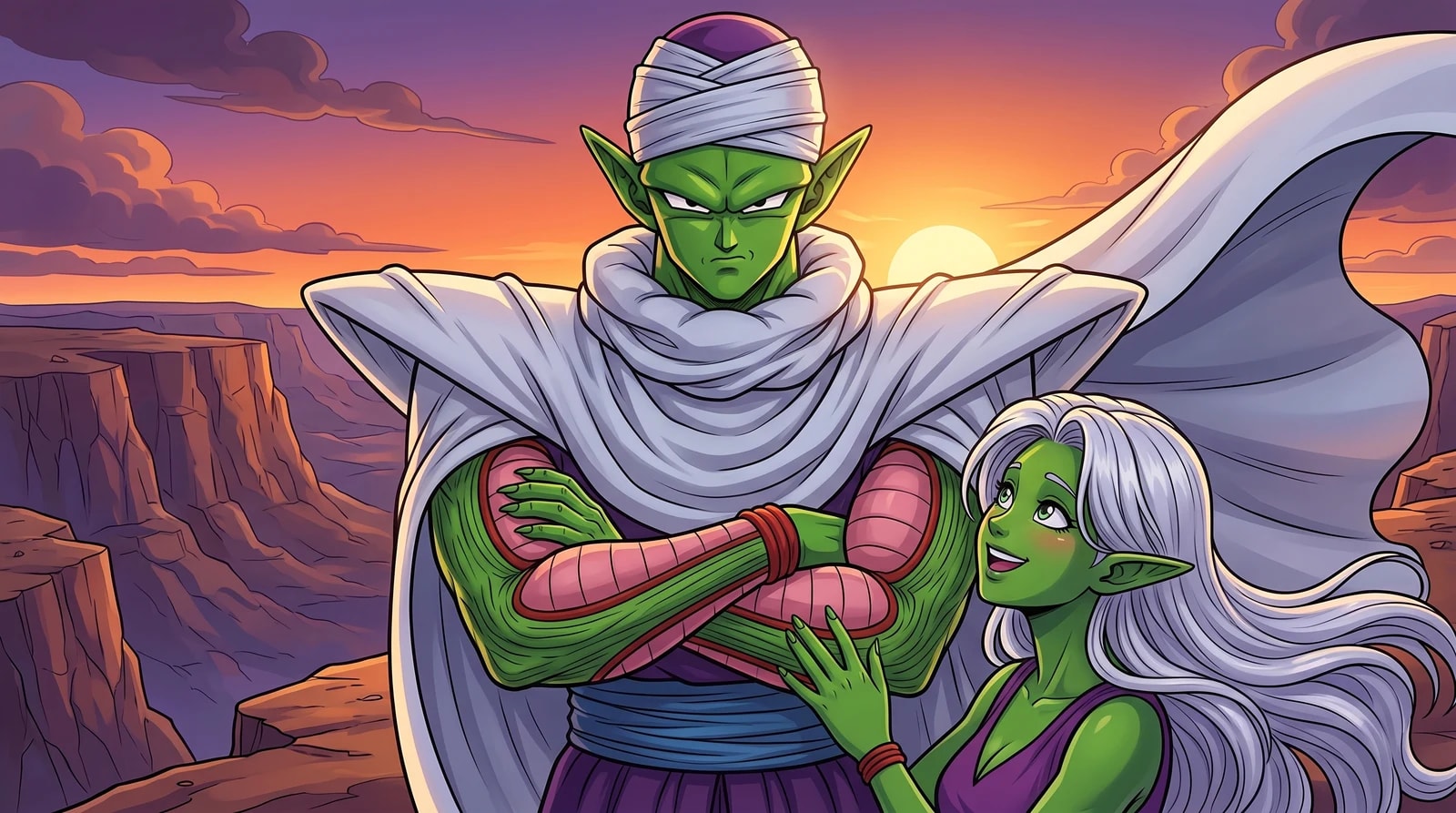
Piccolo Gets the Namek Hoes: Namek Has No Women, and He Pulls Anyway
There are no women on Namek. That isn't an oversight, it's the biology. Why we handed Piccolo the one thing his own species rules out, and why it had to be trap soul....
Frequently Asked Questions
What is the jet engine in MHA?
The twin turbines built into Izuku Midoriya's Jet Pack are what give it flight. Mei Hatsume built them after studying the gear used by the Buster Hero Airjet, and a hand held red trigger ignites them to lift the wearer off the ground.
Who built the Jet Pack for Izuku Midoriya?
Mei Hatsume, a U.A. High School Support Course student, built the Jet Pack for Izuku Midoriya after studying the gear of the Buster Hero Airjet.
What inspired Mei Hatsume's Jet Pack design?
Mei Hatsume based the Jet Pack on gear used by Airjet, a Buster Hero whose own equipment pointed the way toward her design.
How is the Jet Pack activated?
The Jet Pack is a metal backpack holding twin turbines that ignite when the wearer pulls a red trigger held in hand, lifting them clear of the ground.
How far can Izuku Midoriya fly with the Jet Pack?
The Jet Pack only grants a short stretch of flight; ignition lifts Izuku Midoriya off the ground, but the distance it covers is limited.
Sources & Information
Looking for more on Jet Pack? The Dragon Ball Wiki on Fandom has a dedicated page with community notes.
View on FandomThis content is original writing by Daddy Jim Headquarters based on the Dragon Ball anime series, manga, and official materials. Episode and chapter references are cited where applicable.
Character and scene imagery on this site is original artwork by Daddy Jim Headquarters, not screenshots or licensed imagery. Official cover art is used on three types of pages for editorial commentary:
- Movie pages: theatrical posters and key visuals, credited to Toei Animation and Shueisha.
- Game pages: official box art, credited to Bandai Namco, Atari, and other publishers.
- Manga chapter pages: Jump Comics volume covers, credited to Shueisha and Akira Toriyama.
Official resources:
Help Us Keep This Wiki Accurate
Daddy Jim Headquarters maintains this encyclopedia. If you spot an error, a translation issue, or something that doesn't look right, let us know.