Gemu Gemu no Mi
CharacterRather than empowering a person, this crossover-only fruit lodged its power inside a tablet carried by Dama, who uses it to yank rival fighters into a game-styled reality where he rewrites the odds. Weak allies gain temporary boosts while enemies shrink to beatable size.
Overview
Introduced during the Fischer's crossover in its fifth chapter, this ability sits outside the main continuity and belongs to the Paramecia group. Its power took hold not in a human but in an object: a tablet belonging to Dama absorbed it in the manner of an Inanimate Object Zoan. What the tablet grants is a way to drag other people out of ordinary reality and drop them into a video-game realm.
Whether such a fruit truly exists within the setting, or lives only inside the fabricated pseudo-world of Mr. Kuromaku, is never settled. Its name comes from gemu, the Japanese way of saying the English word game.


Mechanics
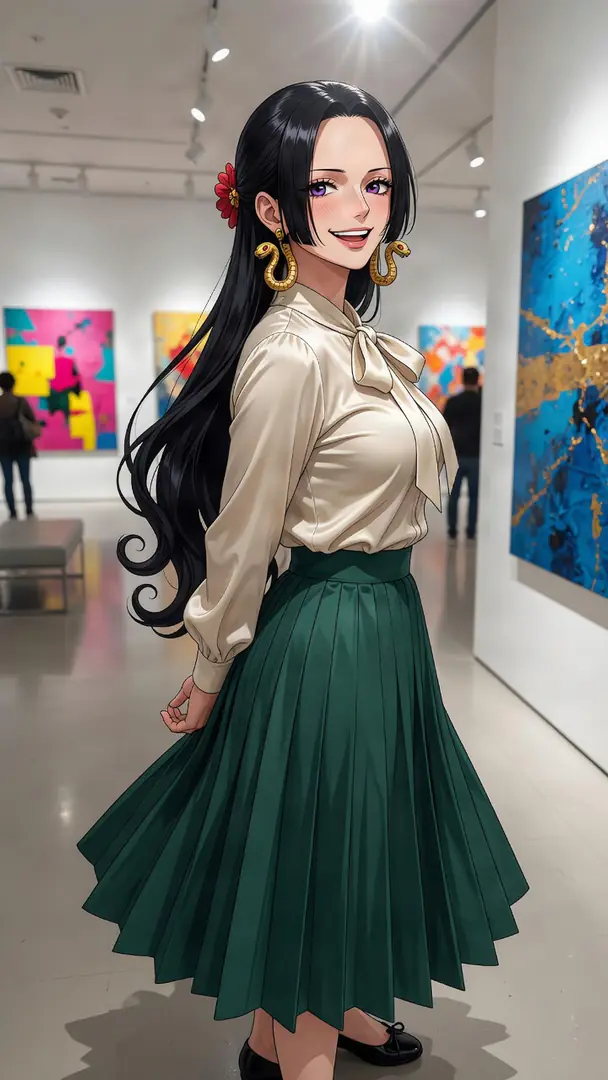
Once opponents cross into the game, their true strength drops sharply, and the whole framing shifts combat somewhere the wielder cannot be reached. Because the setting runs on video-game logic, characters who would normally lose can be handed short-lived power-ups. A hidden ceiling caps how many enemy characters may load at any one time; break past it and the game begins stuttering. If some element never made it inside the game, that stutter leaks out into the real world instead.
Setup time forms the main catch on top of the usual Devil Fruit vulnerabilities. To assemble a fighting scenario, the wielder first locks in a boss, then settles on the genre and stage, and only then chooses a player character. Command over that player character stays partial, though it lets the figure attempt feats beyond their normal reach.
Notable Users
Dama relies on the tablet to correct unfair matchups. He funnels Arlong and Silk Road into a fighting game, then drops the crew's surviving members into a platformer where the Arlong Pirates fill the role of stage enemies. A single documented technique, Gemu Gemu no Racing Game, has him pilot a vehicle by touchscreen as though racing, a method first used to make off with the Billower Bike back in Loguetown.
Related Reading
See all
The Most Popular Women of One Piece: A Fan's Journey Through Anime's Greatest Female Characters...
When I first decided to commit to watching One Piece seriously, I knew I was embarking on one of anime's longest and most beloved series. With over 100...
Super Saiyan Pubes: The Song About Where Super Saiyan Hair Actually Goes
The transformation everyone knows, the follow-up question nobody would touch. Why we made a smooth R&B track about the golden glow Dragon Ball never talks about....
Frequently Asked Questions
What is the Gemu Gemu no Mi?
The Gemu Gemu no Mi is a non-canon Paramecia introduced in the Fischer's x One Piece crossover. Rather than empowering a person directly, its power resides in a tablet owned by Dama, who uses it to pull rival fighters into a video-game-styled reality.
Who uses the Gemu Gemu no Mi?
Dama wields the Gemu Gemu no Mi through a tablet that absorbed the fruit's power, letting him drag opponents such as Arlong and Silk Road into a fabricated game world.
How does the Gemu Gemu no Mi change a fight?
Inside the game created by the Gemu Gemu no Mi, an opponent's true strength drops sharply while weaker allies can receive short-lived power-ups, shifting the odds in Dama's favor.
Does the Gemu Gemu no Mi have any limits?
Yes. The Gemu Gemu no Mi caps how many enemy characters can load into its game world at once, and going past that limit makes the game stutter, sometimes leaking effects into the real world. Setting up a scenario also takes time, since Dama must choose a boss, genre, stage, and player character in order.
What technique does Dama use with the Gemu Gemu no Mi?
Dama's documented technique is Gemu Gemu no Racing Game, which lets him pilot a vehicle by touchscreen as if racing, a trick he first used to steal the Billower Bike in Loguetown.
Sources & Information
Looking for more on Gemu Gemu no Mi? The One Piece Wiki on Fandom has a dedicated page with community notes.
View on FandomThis content is original writing by Daddy Jim Headquarters based on the One Piece anime series, manga, and official materials. Episode and chapter references are cited where applicable.
Character and scene imagery on this site is original artwork by Daddy Jim Headquarters, not screenshots or licensed imagery. Official cover art is used on three types of pages for editorial commentary:
- Movie pages: theatrical posters and key visuals, credited to Toei Animation and Toei Company.
- Game pages: official box art for the One Piece console and mobile games, credited to Bandai Namco.
- Manga chapter pages: Jump Comics volume covers, credited to Shueisha and Eiichiro Oda.
Official resources:
Help Us Keep This Wiki Accurate
Daddy Jim Headquarters maintains this encyclopedia. If you spot an error, a translation issue, or something that doesn't look right, let us know.