Iro Iro no Mi
CharacterA non-canon Paramecia power that produces paint for hiding and impersonating people and objects, tagging its eater a Camouflage Human. Psycho P of the Treasure Pirates uses it to keep ships, allies, and himself out of sight.
Overview
Debuting in the film Heart of Gold, this power falls under the Paramecia class and hands its owner paint that can melt people and objects into their surroundings, a trick that marks the eater as a Camouflage Human. Its Japanese title toys with two meanings of iro, standing both for color and for variety, while overseas releases call it the Color-Color Fruit. Psycho P remains the only person to have eaten it, and his mastery makes him a headache for foes who cannot tell what they are actually facing.
Mechanics
Concealment is the fruit's headline function. Coating a target in paint can wipe it from view almost totally, working on anything from a lone individual up to a vessel as large as a sizable ship. This sets up ambushes and lets the user disappear mid-brawl to throw off whoever is attacking. A secondary use is disguise, where paint reshapes a face to look like someone else's, though the outcome is shoddy. Limits are plain. A tool such as a spray can seems required to apply the effect, and the camouflage breaks down against anyone with keen senses, whether trained to hunt unseen attackers or gifted with Observation Haki. The false faces fool only the dull-witted. The ordinary Devil Fruit penalties stack on top. Two moves are recorded: Camouflapaint, which sprays a subject so it blends into the backdrop, and Copy Paint, which lays a stranger's face over the target while the body stays untouched.
Notable Users
Psycho P leans on the power to keep the Shark Emeralda, his crew's ship, invisible so the Treasure Pirates can launch surprise strikes. He likewise conceals himself among his crewmates to appear at just the right instant and cloaks himself during combat to baffle opponents. Comparisons arise with the Suke Suke no Mi, the difference being that this fruit hinges on paint instead of touch and never makes anything wholly see-through. That similarity feeds into Sanji's personal grudge against the fruit's owner.
Related Reading
See all
The Most Popular Women of One Piece: A Fan's Journey Through Anime's Greatest Female Characters...
When I first decided to commit to watching One Piece seriously, I knew I was embarking on one of anime's longest and most beloved series. With over 100...
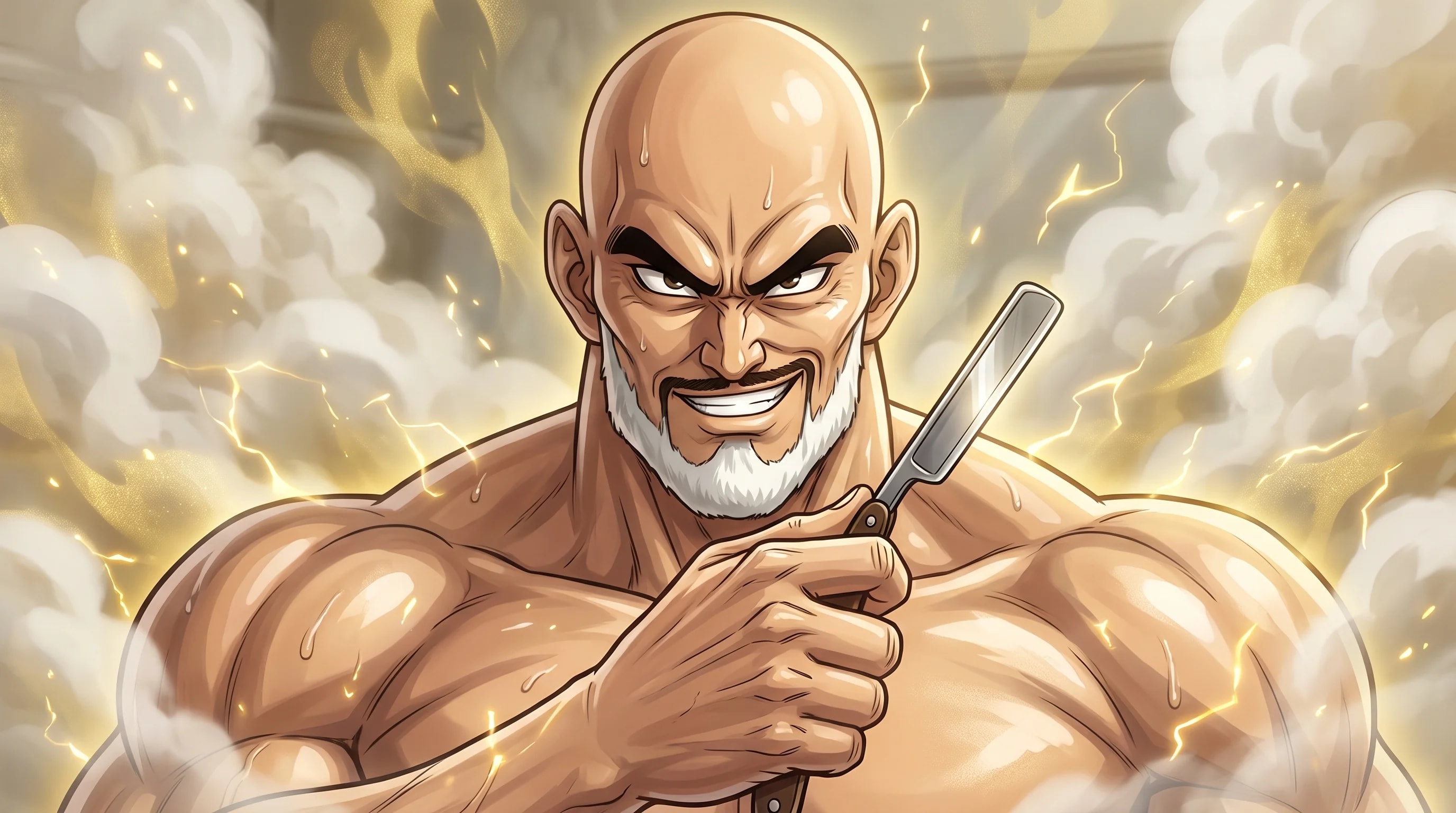
Super Saiyan Pubes: The Song About Where Super Saiyan Hair Actually Goes
The transformation everyone knows, the follow-up question nobody would touch. Why we made a smooth R&B track about the golden glow Dragon Ball never talks about....
Frequently Asked Questions
What does iro iro mean in Japanese?
The name of the Iro Iro no Mi plays on two meanings of the Japanese word iro, referring both to color and to variety, and the fruit is officially translated as the Color-Color Fruit.
Who is the user of the Iro Iro no Mi?
Psycho P of the Treasure Pirates is the only known user of the Iro Iro no Mi, a non-canon Paramecia fruit introduced in the film Heart of Gold.
What does the Iro Iro no Mi actually do?
The Iro Iro no Mi produces paint that can conceal people and objects, up to the size of a ship, by blending them into their surroundings, earning its user the classification Camouflage Human.
Can the Iro Iro no Mi disguise a person as someone else?
Yes, the Iro Iro no Mi can reshape a target's face with paint to resemble another person, though the disguise is described as shoddy and only fools the dull-witted.
What are the limits of the Iro Iro no Mi?
The Iro Iro no Mi appears to require a tool such as a spray can to apply, and its camouflage fails against opponents with keen senses or Observation Haki, on top of the usual Devil Fruit weaknesses.
Sources & Information
Looking for more on Iro Iro no Mi? The One Piece Wiki on Fandom has a dedicated page with community notes.
View on FandomThis content is original writing by Daddy Jim Headquarters based on the One Piece anime series, manga, and official materials. Episode and chapter references are cited where applicable.
Character and scene imagery on this site is original artwork by Daddy Jim Headquarters, not screenshots or licensed imagery. Official cover art is used on three types of pages for editorial commentary:
- Movie pages: theatrical posters and key visuals, credited to Toei Animation and Toei Company.
- Game pages: official box art for the One Piece console and mobile games, credited to Bandai Namco.
- Manga chapter pages: Jump Comics volume covers, credited to Shueisha and Eiichiro Oda.
Official resources:
Help Us Keep This Wiki Accurate
Daddy Jim Headquarters maintains this encyclopedia. If you spot an error, a translation issue, or something that doesn't look right, let us know.