Suke Suke no Mi
CharacterThis power grants invisibility, hiding the user and anything they touch. Absalom ate it first and abused it to spy and grope; after his death it passed to the swordsman Shiryu of the Blackbeard Pirates.
Overview
Rooted in sukesuke, a term meaning sheer or see-through in Japanese, this Paramecia power renders its eater invisible and tags them the Clear Human. Absalom of the Thriller Bark Pirates was the first to eat it, and once the Blackbeard Pirates killed him, the ability moved on to the swordsman Shiryu. English versions title it the Clear-Clear Fruit. Fittingly for its lecherous first owner, the name also nods to a Japanese word for lewdness.


Mechanics
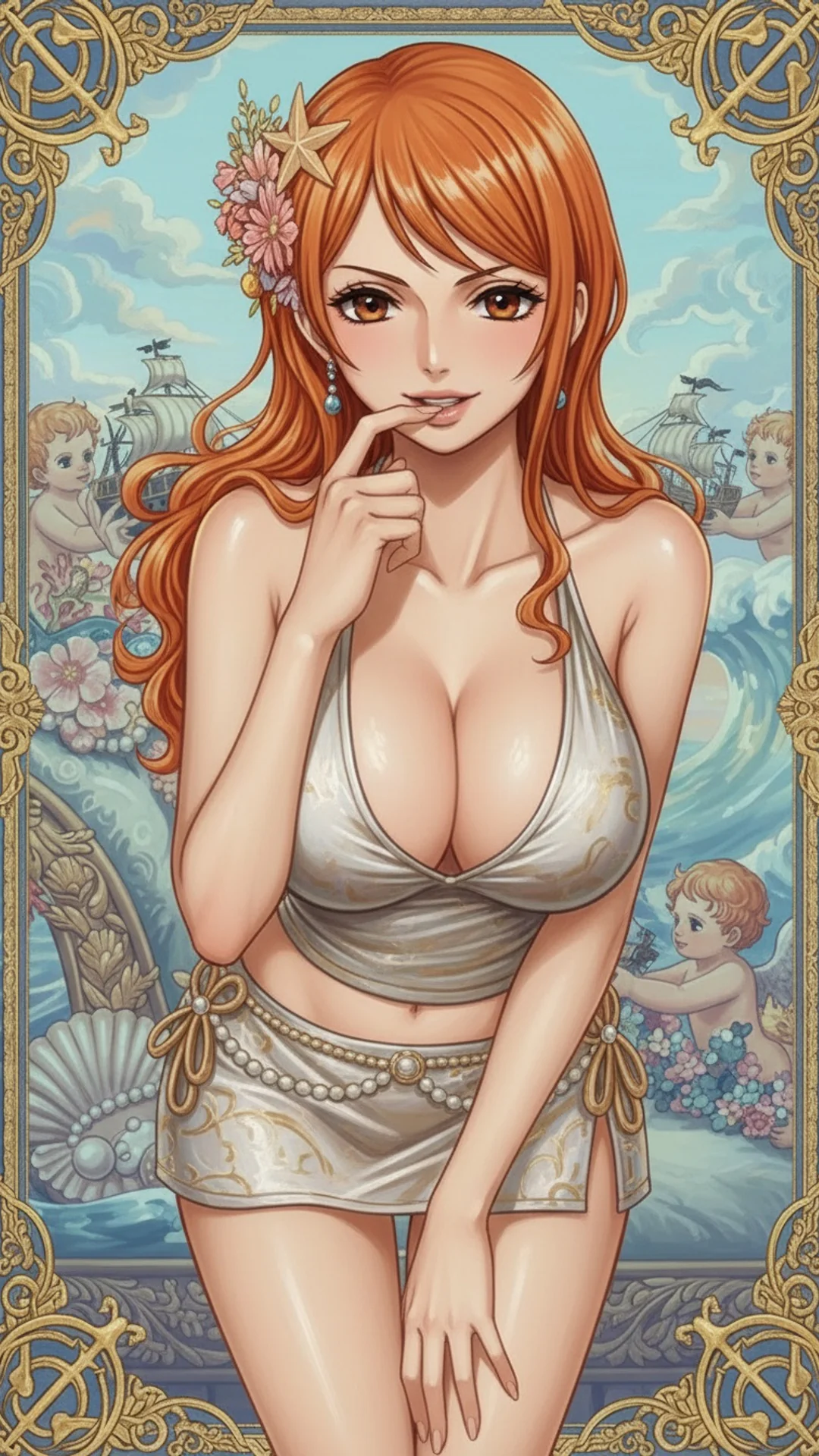
Beyond vanishing themselves, the wielder can pick and choose to make anything they touch invisible too, living or not. That turns them into an ideal spy and abductor: they can listen in unnoticed, carry someone off with no trail to follow, hide strapped-on weapons, and even conceal a small ship for a clean escape. The gift has plain cracks, though. Water, salt, or blood settling on the user sketches out their outline for a moment, a quick foe may still land a lucky blow up close, and others can lean on hearing or smell to pin them down. Anything they render invisible flicks back into view the instant they let go, and a hard enough strike shatters their concentration, exposing them for a few seconds. Otherwise the standard Devil Fruit vulnerabilities remain.
Notable Users
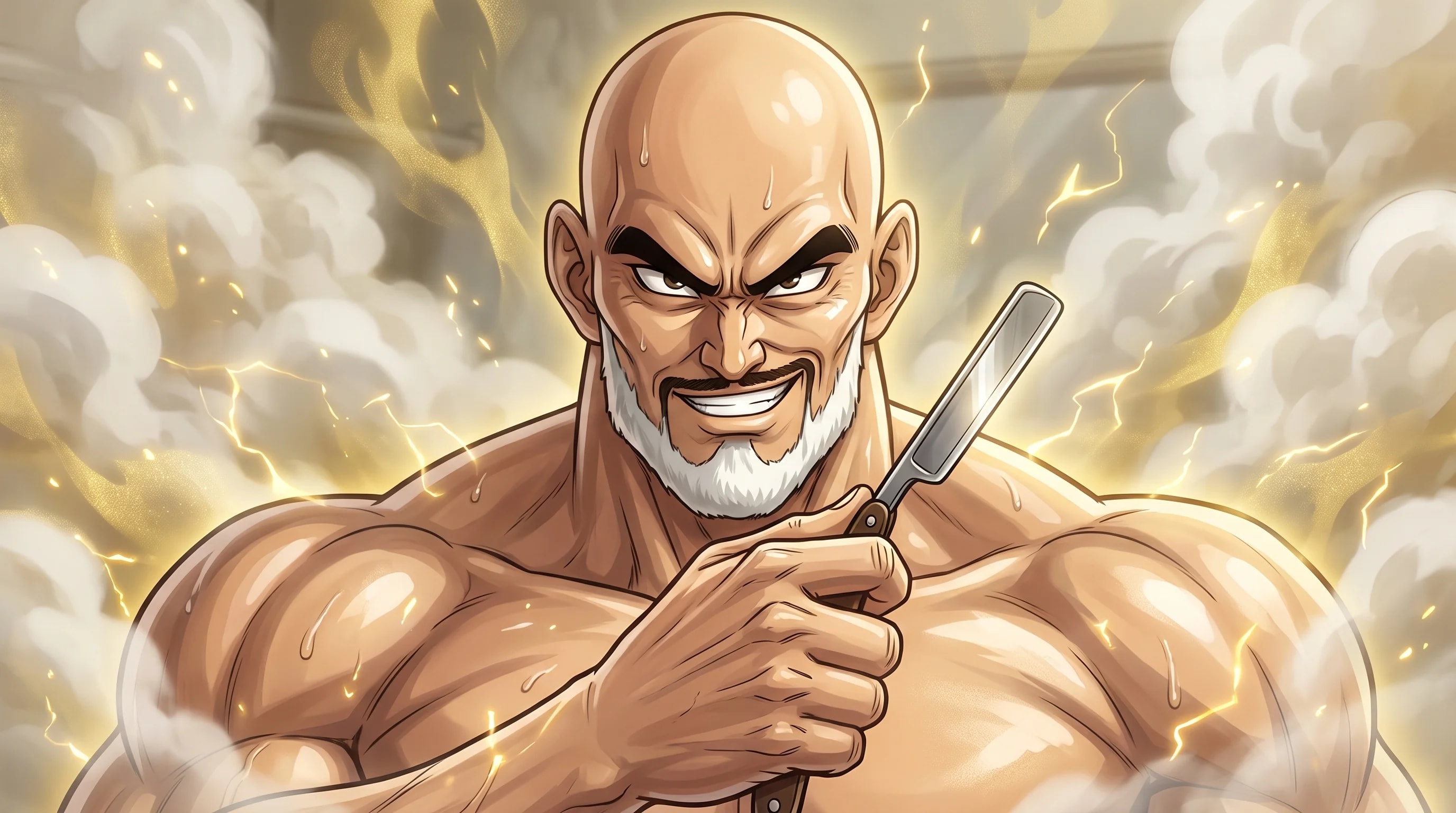
Absalom regarded invisibility as a supplement to his bodily modifications, ranking it below his boosted strength and durability, and he abused it to leer at and molest women and to chase scoops as a reporter. Among his techniques were Skating, which cloaked his entire body to set up other moves, and Shisha no Te, which fired unseen arm-mounted bazookas so the blast seemed to come out of thin air. Shiryu, heir to the fruit after Absalom died, likewise fights with it, cloaking both himself and his blade to cut enemies down in surprise strikes. Notably, Sanji had long wanted this fruit to peek at bathing women and resented Absalom for claiming it first, only to gain invisibility instead through his Raid Suit during Wano.
Related Reading
See all
The Most Popular Women of One Piece: A Fan's Journey Through Anime's Greatest Female Characters...
When I first decided to commit to watching One Piece seriously, I knew I was embarking on one of anime's longest and most beloved series. With over 100...
Super Saiyan Pubes: The Song About Where Super Saiyan Hair Actually Goes
The transformation everyone knows, the follow-up question nobody would touch. Why we made a smooth R&B track about the golden glow Dragon Ball never talks about....
Frequently Asked Questions
What does the Suke Suke no Mi fruit do?
The Suke Suke no Mi grants its eater invisibility, and they can also make anything they touch invisible, whether it is living or not. This makes the user an ideal spy, since they can listen in unnoticed or carry someone off without leaving a trail.
What Devil Fruit did Sanji want?
Sanji long wanted the Suke Suke no Mi so he could peek at bathing women, and he resented Absalom for claiming it first. He never ate it, and instead gained invisibility through his Raid Suit during the Wano arc.
What is Shiryu's Devil Fruit?
Shiryu of the Blackbeard Pirates wields the Suke Suke no Mi. He inherited it after the Blackbeard Pirates killed its original owner, Absalom, and now uses it to cloak both himself and his blade for surprise strikes.
Who was the first user of the Suke Suke no Mi?
Absalom of the Thriller Bark Pirates was the first person to eat the Suke Suke no Mi. He used it mainly to leer at and molest women and to chase scoops as a reporter, ranking the power below his boosted strength and durability from his other modifications.
What are the weaknesses of the Suke Suke no Mi?
Water, salt, or blood settling on the Suke Suke no Mi user briefly sketches out their outline, and anything they turn invisible flicks back into view the instant they let go. A hard enough strike also shatters the user's concentration, exposing them for a few seconds.
Sources & Information
Looking for more on Suke Suke no Mi? The One Piece Wiki on Fandom has a dedicated page with community notes.
View on FandomThis content is original writing by Daddy Jim Headquarters based on the One Piece anime series, manga, and official materials. Episode and chapter references are cited where applicable.
Character and scene imagery on this site is original artwork by Daddy Jim Headquarters, not screenshots or licensed imagery. Official cover art is used on three types of pages for editorial commentary:
- Movie pages: theatrical posters and key visuals, credited to Toei Animation and Toei Company.
- Game pages: official box art for the One Piece console and mobile games, credited to Bandai Namco.
- Manga chapter pages: Jump Comics volume covers, credited to Shueisha and Eiichiro Oda.
Official resources:
Help Us Keep This Wiki Accurate
Daddy Jim Headquarters maintains this encyclopedia. If you spot an error, a translation issue, or something that doesn't look right, let us know.