Mane Mane no Mi
CharacterA touch is all it takes: this Paramecia remakes its eater into a perfect physical twin of whoever they contact. Worn first by Kurozumi Higurashi and afterward by Bentham, it thrives on infiltration and lies rather than force, potent enough to unseat a nation.
Overview
Belonging to the Paramecia group, this fruit lets whoever eats it become an exact duplicate of anyone they touch, earning the tag Imitating Human. Its most familiar bearer is Bentham, the ex-Baroque Works operative also called Mr. 2 Bon Kurei. Long before him it was held by Kurozumi Higurashi, whom Kaidou killed, after which the fruit eventually reached Bentham. In shape it resembles two joined calabash gourds, orange with pink striping and swirls scattered over the surface.
Mechanics
Pressing the right hand to a person copies their face, physique, and voice, and every form ever taken is filed away perfectly, so no appearance is ever lost. There is no time limit on a disguise, which the wielder cancels by laying the left hand against their own face. Deception is where its real value lies: cloaked as royalty or a beloved friend, the user borrows authority, pins false crimes on the innocent, or coaxes a foe into dropping their guard. The catches run deep, though. Nobody untouched can be copied, and clothing, weapons, habits, and combat skill all fall outside its reach, while Devil Fruit powers stay off-limits except for some Zoan traits. A solid hit usually snaps the user back to their true form, and a sharp opponent can bait them into brushing their own face to break the guise.
Notable Users
Higurashi bent the fruit toward installing Kurozumi Orochi as Wano's shogun, wearing the likeness of Kouzuki Oden and then Sukiyaki to smooth his ascent, and later stalling Oden in combat by posing as his son Momonosuke, treachery that drove Kaidou to slay her. Bentham, a born performer, adopted the guise of authority figures to wreck operations, mimicking King Cobra during Operation Utopia and Warden Magellan amid the Impel Down breakout. His trademark Mane Mane Memory assumes the form of a touched person, and Mane Mane Montage pieces remembered features into a fresh face, among them the laughter-forcing world's funniest face built from his own visage plus Usopp's nose.
Related Reading
See all
The Most Popular Women of One Piece: A Fan's Journey Through Anime's Greatest Female Characters...
When I first decided to commit to watching One Piece seriously, I knew I was embarking on one of anime's longest and most beloved series. With over 100...
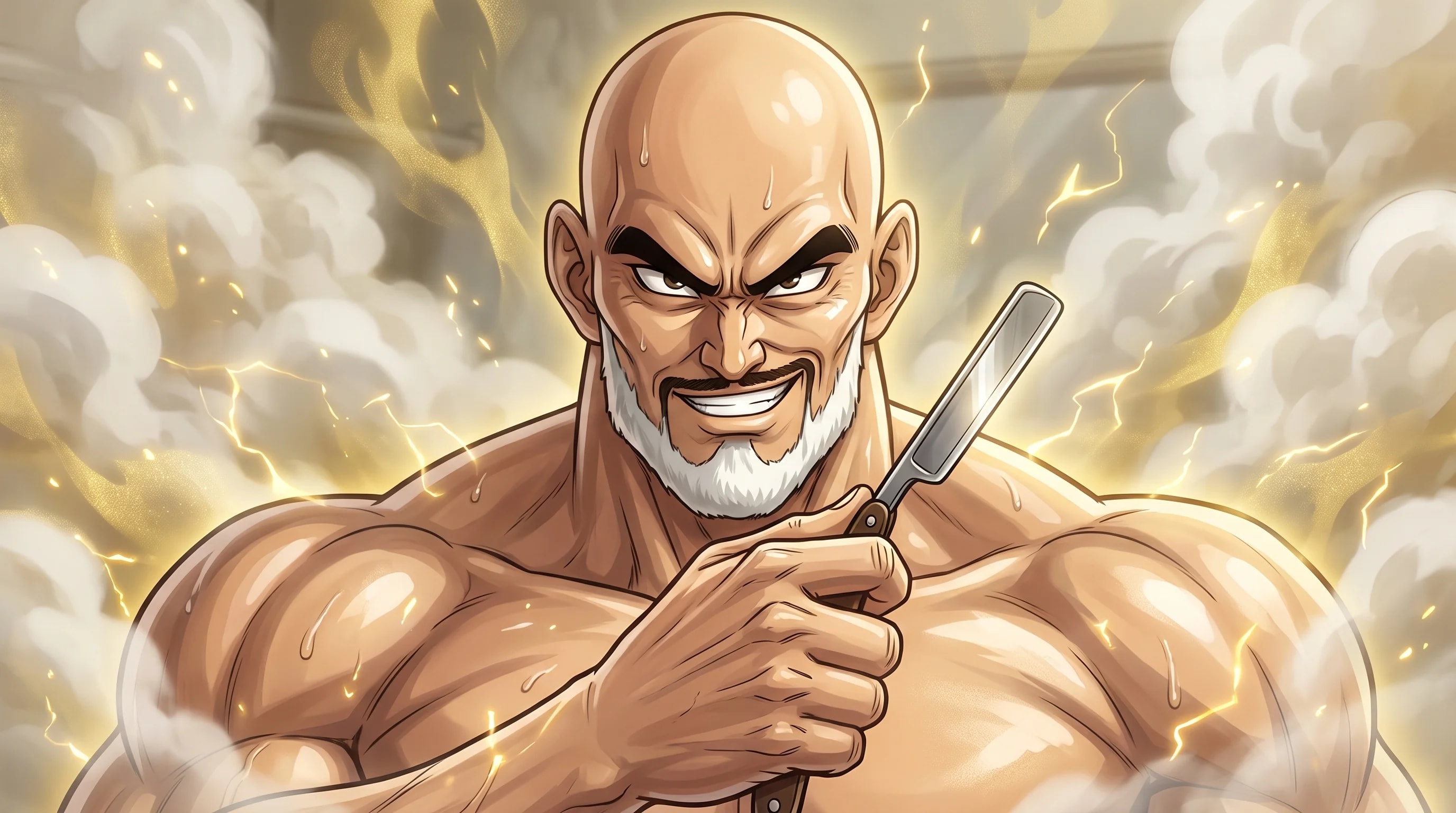
Super Saiyan Pubes: The Song About Where Super Saiyan Hair Actually Goes
The transformation everyone knows, the follow-up question nobody would touch. Why we made a smooth R&B track about the golden glow Dragon Ball never talks about....
Frequently Asked Questions
What does Mane Mane no Mi do?
The Mane Mane no Mi is a Paramecia type Devil Fruit that lets its user become an exact physical duplicate, in face, physique, and voice, of anyone they touch.
What does Mane Mane no Mi translate to?
The name Mane Mane no Mi comes from the Japanese word for imitation, and English releases translate it as the Clone-Clone Fruit.
What is Mr. 2's Devil Fruit?
Mr. 2, also known as Bentham of the former Baroque Works, wields the Mane Mane no Mi, using it to disguise himself as royalty and other authority figures to infiltrate his targets.
What are the weaknesses of the Mane Mane no Mi?
The Mane Mane no Mi cannot copy anyone the user hasn't physically touched, and it never replicates clothing, weapons, habits, or combat skill; a solid hit usually forces the user back into their true form.
Who used the Mane Mane no Mi before Bentham?
Before Bentham, the Mane Mane no Mi belonged to Kurozumi Higurashi, who used it to impersonate Kouzuki Oden and his father Sukiyaki to help install Orochi as Wano's shogun, until Kaidou killed her for the betrayal.
Sources & Information
Looking for more on Mane Mane no Mi? The One Piece Wiki on Fandom has a dedicated page with community notes.
View on FandomThis content is original writing by Daddy Jim Headquarters based on the One Piece anime series, manga, and official materials. Episode and chapter references are cited where applicable.
Character and scene imagery on this site is original artwork by Daddy Jim Headquarters, not screenshots or licensed imagery. Official cover art is used on three types of pages for editorial commentary:
- Movie pages: theatrical posters and key visuals, credited to Toei Animation and Toei Company.
- Game pages: official box art for the One Piece console and mobile games, credited to Bandai Namco.
- Manga chapter pages: Jump Comics volume covers, credited to Shueisha and Eiichiro Oda.
Official resources:
Help Us Keep This Wiki Accurate
Daddy Jim Headquarters maintains this encyclopedia. If you spot an error, a translation issue, or something that doesn't look right, let us know.