Supa Supa no Mi
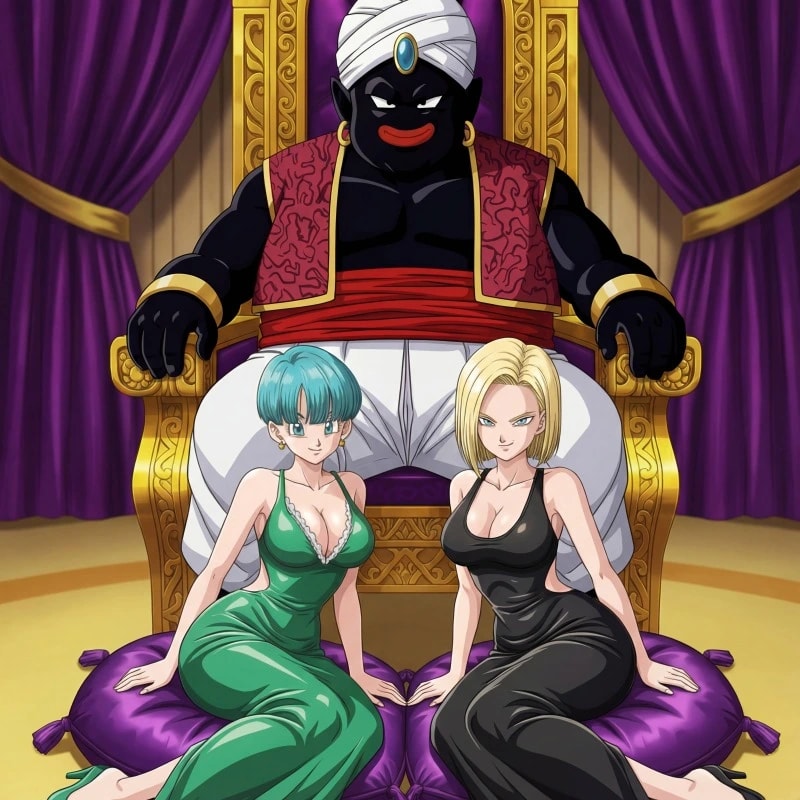
CharacterDaz Bonez, the Baroque Works agent Mr. 1, can grow steel blades from any part of his body with this power, turning himself into a walking weapon; Vegapunk later copied the ability into the Seraph S-Hawk.
Overview
Named for supasupa, a Japanese sound for clean, repeated slicing, this Paramecia power converts the eater's flesh into living steel and brands them the Full-Body Bladed Human. Daz Bonez, the Baroque Works assassin known as Mr. 1 and later a member of Cross Guild, is its owner. He first hinted at the power by cutting apart a wall he was hurtling toward after Mr. 2 kicked him, and its full range came out during his clash with Roronoa Zoro. English releases call it the Dice-Dice Fruit, and the fruit resembles a bunch of bananas shaped like sword blades. Vegapunk later reproduced the ability through Green Blood in the Seraph S-Hawk.

Mechanics
Its wielder can sprout hard blades from anywhere on their body, taking on the qualities of steel so they slice through flesh and stone alike while shrugging aside most cutting attacks. They can even sever things without contact, in the manner of a swordsman's flying slash, and can whirl the blades like saws or drills. The defense has a firm ceiling, though: Daz cannot freely change how hard his steel is, so any cut fierce enough to bite through steel itself will open his flesh, exactly the weakness Zoro exploited to bring him down. Beyond that, the standard Devil Fruit vulnerabilities are in play.
Notable Users
Being an assassin and martial artist, Daz weaves the blades into a fighting method built on chops, slashes, and tumbling kicks, even growing edges on his soles to skate across solid ground like ice. For all his reliance on blades, he refuses the title of swordsman, and before he met Zoro he claimed no swordsman had ever left so much as a scratch on him, a confidence that led him to drop his guard and lose. His techniques run from the motionless hardening of Spider to the finger-blade Spar Claw, the spinning forearm saws of Spiral Hollow, and the skating rush of Atomic Spurt. The Seraph S-Hawk turns the borrowed power on his own legs, reshaping them into blades for kick-based flying slashes, and in the anime he reproduces several of Daz's named attacks against Zoro.
Related Reading
See all
The Most Popular Women of One Piece: A Fan's Journey Through Anime's Greatest Female Characters...
When I first decided to commit to watching One Piece seriously, I knew I was embarking on one of anime's longest and most beloved series. With over 100...
Super Saiyan Pubes: The Song About Where Super Saiyan Hair Actually Goes
The transformation everyone knows, the follow-up question nobody would touch. Why we made a smooth R&B track about the golden glow Dragon Ball never talks about....
Frequently Asked Questions
What does the Supa Supa no Mi do?
The Supa Supa no Mi converts its eater's flesh into living steel, letting them sprout hard blades from anywhere on their body. The user can slice through flesh and stone alike, shrug off most cutting attacks, and even whirl the blades like saws or drills.
Who ate the Supa Supa no Mi?
Daz Bonez, the Baroque Works assassin known as Mr. 1 and later a member of Cross Guild, ate the Supa Supa no Mi. He first hinted at the power by cutting apart a wall, and its full range came out during his clash with Roronoa Zoro.
What Devil Fruit does S-Hawk have?
The Seraph S-Hawk carries an artificial copy of the Supa Supa no Mi, which Vegapunk reproduced using Green Blood. S-Hawk turns the power on his own legs, reshaping them into blades for kick-based flying slashes.
What is the weakness of the Supa Supa no Mi?
Daz Bonez cannot freely change how hard his Supa Supa no Mi steel becomes, so any cut fierce enough to bite through steel itself will still open his flesh. Roronoa Zoro exploited exactly this weakness to defeat him.
How does Daz Bonez fight with the Supa Supa no Mi?
Daz Bonez weaves his Supa Supa no Mi blades into a fighting style built on chops, slashes, and tumbling kicks. He even grows edges on his soles to skate across solid ground like ice, though he refuses to call himself a swordsman.
Sources & Information
Looking for more on Supa Supa no Mi? The One Piece Wiki on Fandom has a dedicated page with community notes.
View on FandomThis content is original writing by Daddy Jim Headquarters based on the One Piece anime series, manga, and official materials. Episode and chapter references are cited where applicable.
Character and scene imagery on this site is original artwork by Daddy Jim Headquarters, not screenshots or licensed imagery. Official cover art is used on three types of pages for editorial commentary:
- Movie pages: theatrical posters and key visuals, credited to Toei Animation and Toei Company.
- Game pages: official box art for the One Piece console and mobile games, credited to Bandai Namco.
- Manga chapter pages: Jump Comics volume covers, credited to Shueisha and Eiichiro Oda.
Official resources:
Help Us Keep This Wiki Accurate
Daddy Jim Headquarters maintains this encyclopedia. If you spot an error, a translation issue, or something that doesn't look right, let us know.